What Happens to Tesla Paint Without Any Form of Surface Protection Over Time
Tesla vehicles attract attention for their performance, software, and clean design language. But one conversation that does not happen enough is what actually occurs to that factory paint once the car starts seeing daily roads with nothing protecting it. The damage starts almost immediately, and it compounds quietly until it becomes impossible to ignore. Owners across the Lake Norman area who have brought their vehicles to Champion Window Tinting for Tesla protection services in Cornelius, NC often say the same thing after seeing their paint examined up close for the first time: they wished they had acted sooner. This article walks through exactly what happens to Tesla paint over time when no protective layer is applied, and why understanding that process matters for any owner who wants to keep the car looking the way it did on delivery day.
Why Tesla's Factory Paint Needs Attention From Day One
A lot of Tesla owners assume that because their car is brand new, the paint is at its strongest and will hold up well on its own for years. That assumption is one of the most common reasons avoidable damage builds up over time.
How Thin Is Tesla's Factory Paint, Really?
Tesla's paint system is applied at a lower film thickness compared to most traditional automakers. Industry measurements have consistently shown that the total paint stack on a Tesla, which includes both the base coat and clear coat together, typically measures somewhere between 90 and 120 microns depending on the panel and the color.
For context, most European vehicles average around 120 to 140 microns. That gap matters because the clear coat is the outermost layer doing all the protective work. When it is thinner to begin with, it wears through faster, and damage from everyday exposure shows up sooner than most owners expect.
The Role of Clear Coat and Why It Matters
The clear coat is not there for decoration. It is the sacrificial layer that absorbs UV radiation, resists chemical etching from contaminants, and provides the gloss you see on a freshly delivered Tesla. Once that layer is compromised, the base coat underneath is directly exposed. At that point, the damage is no longer cosmetic. It becomes structural, and a standard detail job will not reverse it.
UV Radiation and What It Does to Unprotected Tesla Paint
Sunlight is the most consistent threat a car's paint faces. It does not require a storm, a road hazard, or any particular event. It just has to be daytime and the car has to be outside.
How Oxidation Starts and Spreads
UV radiation breaks down the molecular bonds in automotive paint through a process called photooxidation. The oxygen in the atmosphere reacts with paint compounds when UV energy is present, and over time this reaction degrades the polymers that hold the paint together. On a Tesla with no ceramic coating or paint protection film applied, this process begins within the first year of ownership, and often earlier in high-sun environments.
Oxidation does not announce itself right away. It starts as a very subtle chalky or dull look on flat horizontal surfaces like the hood and roof. By the time it becomes obvious to the eye, the clear coat in that area has already lost a significant amount of its integrity.
What Fading Actually Looks Like on a Tesla
Tesla's lighter colors, particularly white and silver, tend to show oxidation effects more gradually. Darker shades like Midnight Silver Metallic and Obsidian Black are more visually forgiving early on, but they show swirl marks and micro-scratches from UV-accelerated clear coat softening much sooner than most owners realize.
Red paint, a popular choice across Tesla's Model 3 Performance and Model Y lineup, is especially vulnerable to UV fading. Red pigments are photochemically unstable compared to other automotive colors, which means they break down faster under sustained sun exposure. A red Tesla without any protection can show noticeable color shift and surface dullness within two to three years depending on how much time it spends parked outdoors.
Environmental Contaminants That Attack Paint Daily
UV is not working alone. A car's paint surface is under constant contact with biological and chemical contaminants that most owners do not notice until the damage is already permanent.
Bird Droppings and Tree Sap
Bird droppings are among the most damaging substances that land on automotive paint, and they are also among the most underestimated. The uric acid in bird waste is highly corrosive and begins etching into the clear coat within hours, particularly on a warm surface that has been sitting in direct sun. When the clear coat softens under heat and then gets chemically attacked at the same time, the etching penetrates deeper and faster than it would on a cool surface.
Tree sap presents a similar problem. It bonds to the paint surface, hardens over time, and when removed incorrectly, it can pull sections of clear coat up with it. On a Tesla with thin factory paint and no protective layer on top, both of these contaminants leave permanent marks that require professional paint correction to address.
Industrial Fallout and Airborne Particles
Anyone driving near highways, construction zones, or light industrial areas is regularly depositing iron particles onto their vehicle's painted surface. These particles embed into the clear coat and begin oxidizing on contact. You cannot see them with the naked eye initially, but run your hand across an unprotected hood after several months of regular driving and you will feel a rough, gritty texture that does not wash off. That texture is ferrous contamination that has worked its way into the paint.
Left untreated, those particles continue to oxidize and can cause small rust formations to develop beneath the clear coat surface. On a dark-colored Tesla, this eventually appears as tiny orange or brown specks that no car wash can remove.
How Road Debris Physically Damages the Surface Over Time
Chemical and UV damage works gradually. Road debris works fast and leaves marks that are immediately visible.
Rock Chips and What They Lead To
Highway driving throws up small stones, gravel, and loose debris at high velocity. When those particles strike the front end of a Tesla traveling at highway speeds, the impact force is significant enough to punch through both the clear coat and the base coat entirely, leaving bare metal or plastic exposed to the environment.
On its own, a single rock chip looks like a minor cosmetic issue. But it creates an entry point for moisture. Water gets under the paint surrounding the chip, and in a humid environment, rust can begin forming beneath the surface even on panels that still look undamaged from a distance.
Swirl Marks, Fine Scratches, and Clear Coat Failure
Swirl marks are not caused by impacts. They come from the things most owners treat as routine: improper washing technique, automatic car washes that use abrasive brushes, and drying with the wrong cloth. Every time an abrasive surface contacts a Tesla's unprotected clear coat, it leaves microscopic scratches behind.
Individually, each scratch is invisible. Collectively, across hundreds of washes over two or three years, they create a dense web of micro-abrasions that scatter light and remove gloss. Under direct sunlight or artificial shop lighting, an unprotected Tesla's paint takes on a hazy, tired appearance that makes the car look significantly older than it actually is.
The Long-Term Effect on Resale Value and Appearance
What the Paint Degradation Timeline Looks Like Year by Year
The degradation follows a predictable pattern. In the first year, most damage is invisible without close inspection or a paint depth gauge. By year two, swirl marks are visible in direct light and any rock chips from highway driving are beginning to show rust staining at their edges. By year three, oxidation on horizontal panels, fading on color-sensitive finishes, and measurable clear coat thinning are all present. By year five, a Tesla with zero surface protection can look noticeably older than an equivalent vehicle that received proper treatment at or near the time of delivery.
That appearance gap translates directly into resale value. A visibly worn exterior signals to every potential buyer that the car was not cared for. Even when the drivetrain and battery are in excellent condition, paint degradation communicates neglect and pulls the offer down accordingly.
Why Cornelius, NC Climate Accelerates Paint Wear
Humidity, UV Exposure, and Seasonal Road Conditions
Cornelius, NC sits in a climate zone that combines high summer UV intensity with meaningful humidity levels and seasonal temperature swings. That combination is particularly hard on automotive paint for several reasons that compound on each other.
High humidity accelerates corrosion at chip sites and encourages biological growth on paint surfaces that are not protected by a hydrophobic layer. The Charlotte metro area, including Cornelius and the broader Lake Norman region, receives strong UV exposure from late spring through early fall. Seasonal road treatments including sand and brine during winter months introduce additional chemical exposure to front-facing panels and lower body sections.
Many owners who seek out Tesla protection services in Cornelius, NC are already responding to paint issues they have noticed rather than preventing them before they start. Professionals at shops like Champion Window Tinting who work with vehicles in this specific region see firsthand how quickly unprotected factory paint deteriorates under these local conditions. Getting ahead of that process is substantially easier and less expensive than correcting damage that has had one or two years to develop.
What Surface Protection Actually Prevents
Understanding the damage is useful. Understanding what stops it is more practical for anyone trying to make an informed decision.
Paint Protection Film vs Ceramic Coating: What Each Covers
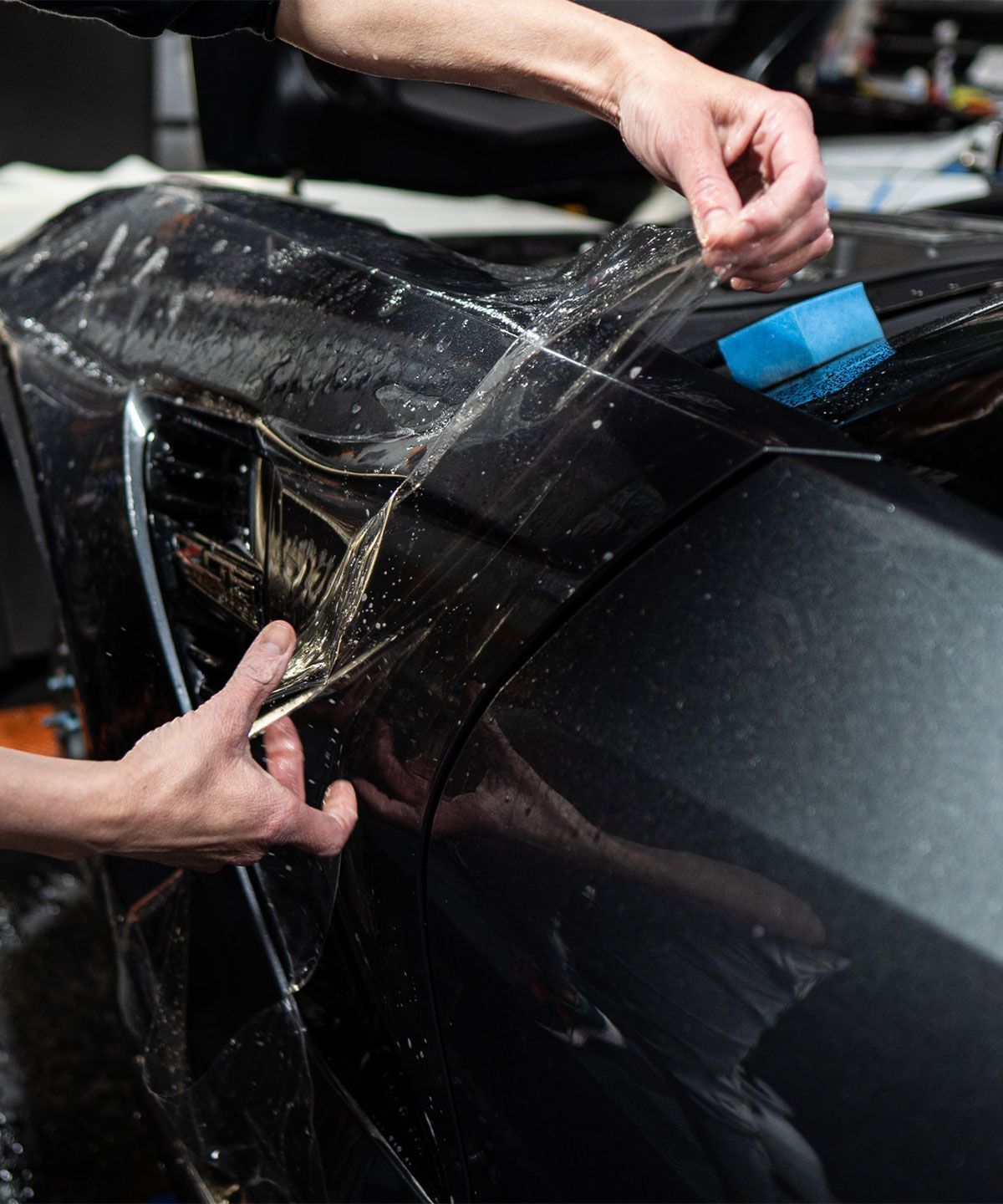
Paint protection film is a physical barrier applied directly to the paint surface. Its function is to absorb the mechanical impact of road debris, resist chemical etching from bird droppings and tree sap, and in the case of self-healing films, recover from light surface scratches through a heat-activated polymer response. PPF is particularly valuable on front-facing panels where rock chip damage is most concentrated.
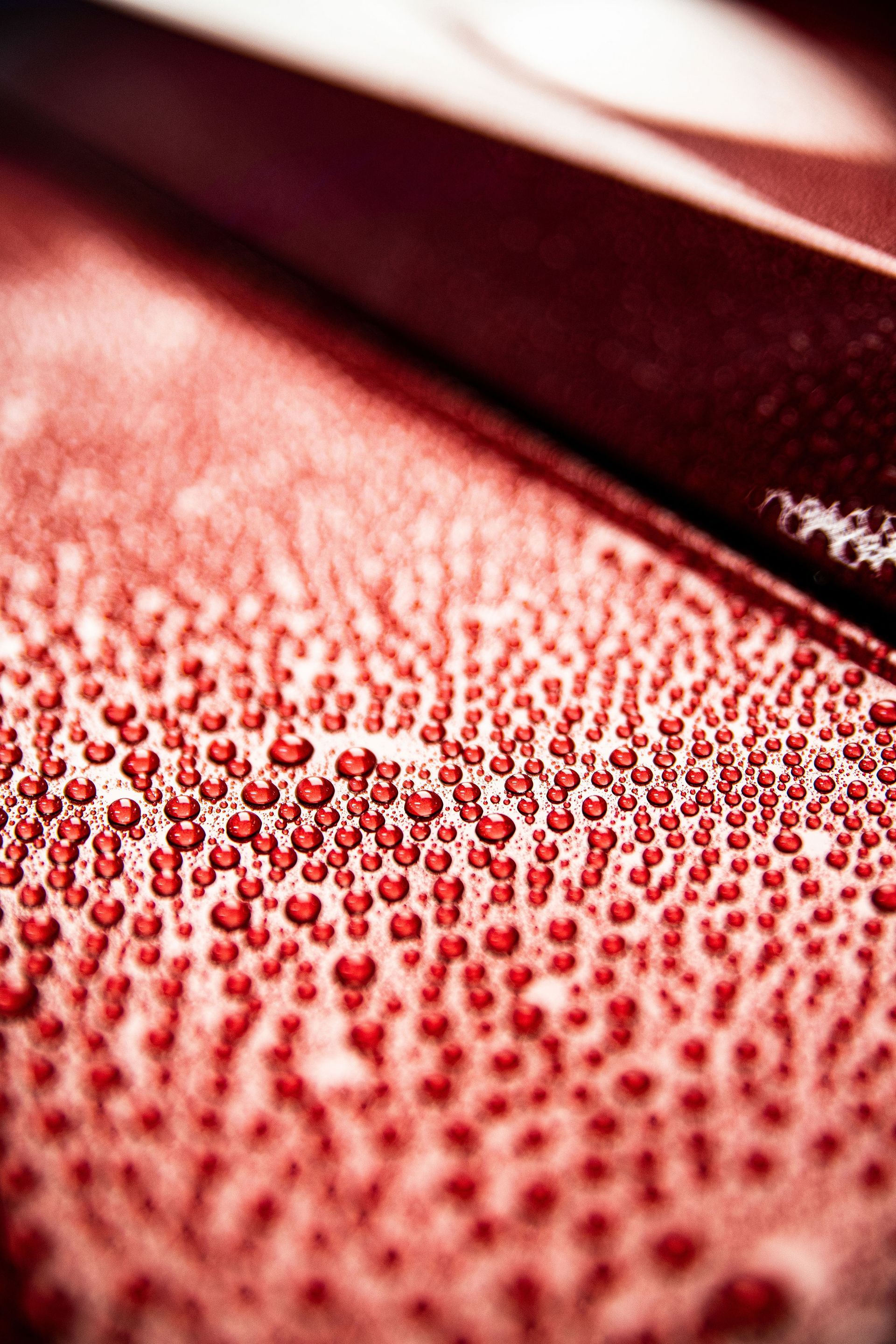
Ceramic coating works differently. It is a liquid polymer that bonds chemically to the clear coat and creates a hard, hydrophobic surface layer above it. Ceramic coating does not provide the same impact resistance as PPF, but it significantly reduces the ability of UV radiation, oxidation, and airborne contaminants to reach the underlying paint. It also makes the surface considerably easier to clean, which reduces the swirl mark accumulation that builds up from routine washing over time.
Many Tesla owners who look into Tesla protection services in Cornelius, NC choose a combination of both applications: PPF on high-impact zones like the hood, front bumper, and mirrors, paired with ceramic coating across the full vehicle. The team at Champion Window Tinting handles both services and brings specific familiarity with Tesla panel geometry, paint thickness characteristics, and the climate conditions that affect how these vehicles age in this part of North Carolina.
Conclusion
Tesla paint is not built to withstand daily exposure indefinitely without help. Without any form of surface protection, it faces a continuous and compounding set of threats that range from UV oxidation and chemical etching to rock chip damage and swirl marks from routine washing. The degradation is gradual enough that many owners do not notice it until meaningful damage has already taken hold. Understanding how and why this happens is the first step toward making a practical decision about paint care. For Tesla owners exploring Tesla protection services in Cornelius, NC, local expertise is available, and the professionals at
Champion Window Tinting bring direct hands-on experience with both these vehicles and this specific climate. Acting early costs a fraction of what correcting years of compounded damage ultimately requires.
FAQs
1. How soon does Tesla paint start showing wear without protection?
Visible wear depends on climate and driving habits, but micro-scratches from routine washing can appear within the first few months. UV-related oxidation on horizontal panels like the hood and roof typically becomes measurable within the first one to two years on an unprotected vehicle.
2. Does Tesla white paint hold up better than darker colors without protection?
White paint hides the visual appearance of oxidation longer, but it is not more resistant to the underlying damage process. Darker colors tend to show swirl marks and UV-related clear coat softening earlier, while red and yellow pigments are the most susceptible to UV-driven color fading over time.
3. Can paint correction fix damage that has already occurred on unprotected Tesla paint?
Paint correction can address swirl marks and light clear coat scratches by carefully removing a thin layer of clear coat to level the surface. However, it cannot reverse oxidation that has penetrated deeply into the paint stack, restore color that has faded through the base coat, or repair rock chip damage that has already allowed rust to form beneath the surface.
4. Is the damage from bird droppings on Tesla paint reversible?
If the dropping is addressed within a few hours of contact, damage can often be removed without permanent marking. If left to sit, particularly on a warm surface in direct sun, the uric acid etches into the clear coat and leaves a permanent impression that requires paint correction or localized spot repair to address.
5. Does window tint play any role in protecting Tesla paint?
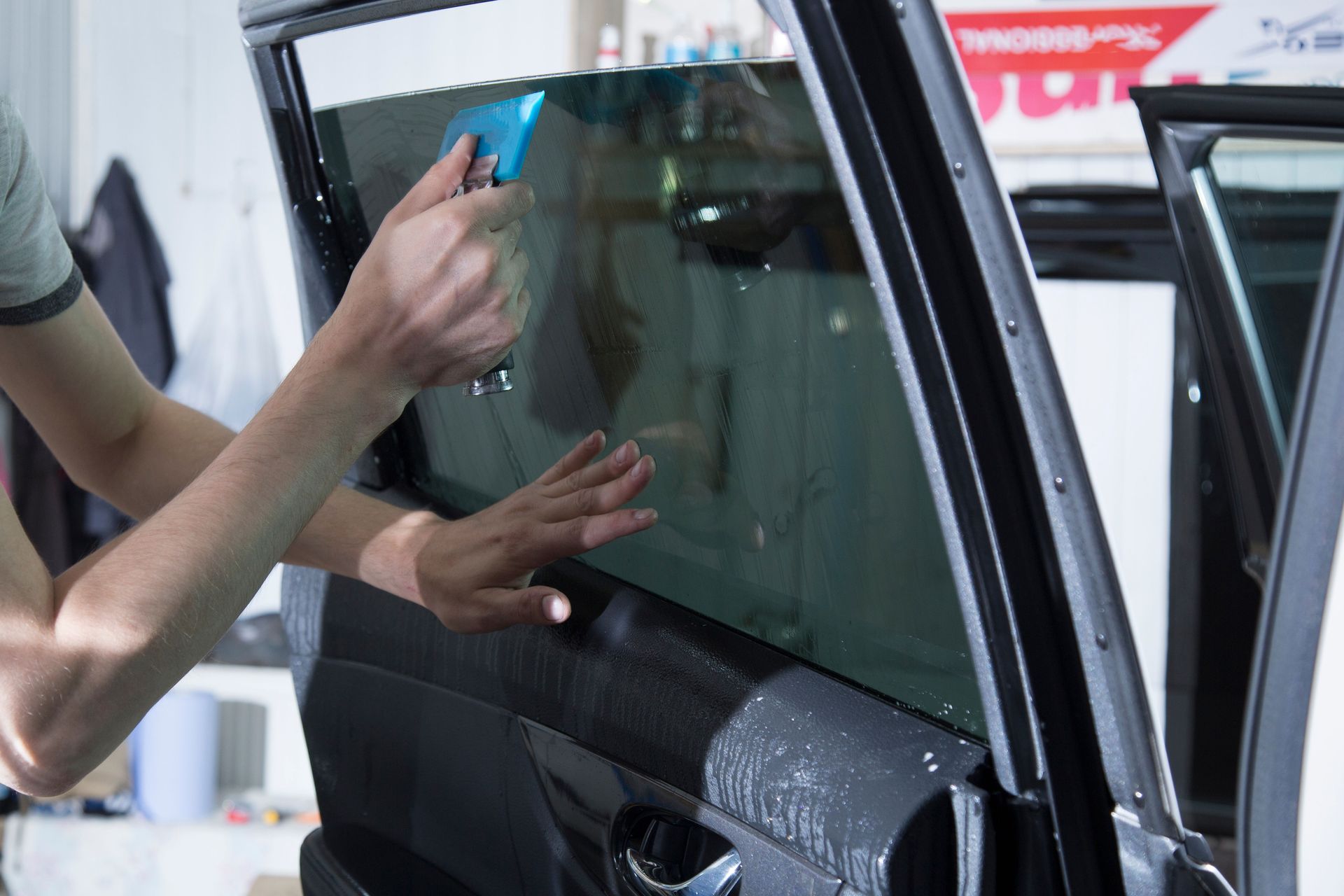
Window tint does not protect exterior paint directly, but it reduces cabin heat buildup by blocking infrared radiation through the glass. Lower interior temperatures reduce thermal stress on interior surfaces and help prevent dashboard off-gassing, which over time can deposit a hazy residue film on the inside of the windshield.
Articles from the Champion Window Tinting Blog
Champion Window Tinting Services