What Is Ceramic Window Tinting and Why Are Mooresville NC Drivers Switching to It?
SCHEDULE ONLINEAnyone who has driven through Mooresville on a July afternoon with the sun hammering through their windshield already knows that window tinting here is not a luxury. It is practically a necessity. But lately, drivers across the area are not just asking about window tinting anymore. They are specifically asking about ceramic window tinting. And there is a very good reason for that shift. At Champion Window Tinting, we get this question every single week, so let us break it all the way down and give you a complete, honest picture of what ceramic film actually is and what it does.
Ceramic window tinting is one of the most significant advances in automotive window film technology in the last two decades, and it is changing the way Mooresville NC drivers think about heat, UV protection, and in-car comfort. It is not just a darker shade of regular tint. It is a completely different technology built on an entirely different science. Understanding that difference is the key to understanding why so many drivers around Lake Norman and Iredell County are choosing it over every other option available to them today.
Understanding Window Tinting: A Quick Foundation
Before we get into the ceramic side of things, it helps to understand what window tinting actually is at a basic level. Window tint is a thin polyester-based film that is professionally applied to the inside surface of your vehicle's glass. It works by filtering the amount of visible light, infrared heat, and ultraviolet radiation that passes through the window. Think of it like sunscreen for your car. Just as sunscreen sits on your skin and blocks harmful rays from penetrating, window film sits on your glass and blocks the same kind of damaging energy from entering your vehicle.
How Traditional Window Tint Works
Standard window film, commonly called dyed film, uses a layer of dye sandwiched between an adhesive layer and a protective outer coating. The dye absorbs some of the light and heat coming in through the glass. It works reasonably well in the short term, but dye is not a permanent solution by any stretch. Over time it fades, loses its heat-absorbing ability, and often turns that familiar purple hue you have probably spotted on older cars parked around Mooresville. Once the dye breaks down, the film is essentially just a dark layer of plastic with very little functional value left.
Where Ceramic Film Fits In
Ceramic window tinting sits at the absolute top of the technology ladder when it comes to window films. Rather than relying on dye to absorb heat, or metal particles to reflect it, ceramic film uses microscopic nano-ceramic particles embedded directly into the film structure. These particles are non-conductive, non-metallic, and completely stable under prolonged UV exposure. That means the film does not fade, does not change color, and does not lose its performance characteristics over time the way dyed films do. For drivers researching best window tinting in Mooresville NC, ceramic film consistently comes out as the most durable and highest-performing option available in the market today.
What Exactly Is Ceramic Window Tinting?
Ceramic window tint is a premium automotive film engineered using nano-ceramic technology. The film is constructed with tiny ceramic particles that are completely invisible to the naked eye but remarkably effective at blocking heat and ultraviolet radiation. These particles are not sprayed on or added as a coating. They are embedded directly into the film itself during the manufacturing process, which is exactly what makes ceramic tint so much more stable and long-lasting than its dyed or metallic counterparts.
The Science Behind the Film
Here is where it gets genuinely interesting. Ceramic particles have a natural physical property that allows them to block infrared radiation, which is the specific wavelength of light that produces the heat you feel radiating through your car windows on a sunny day. A high-quality ceramic film can block up to 99% of ultraviolet rays and reject a substantial portion of solar heat energy, all while keeping the glass looking completely clear and natural. The film does not need to look dark to perform at a high level. That is one of the things that surprises most drivers when they first learn about it.
What Ceramic Tint Is NOT
There is genuine confusion in the market about this, so it is worth clearing up directly. Ceramic tint is not the same thing as metallic tint. Metallic films use actual metal particles to reflect heat away from the glass, which does work to a degree. The problem is that metal interferes with electronic signals, including cell phone reception, GPS navigation, and satellite radio. Ceramic films achieve equal or better heat rejection without using any metal at all, which means every electronic device in your vehicle continues to work exactly as it should.
Why Mooresville NC Drivers Are Making the Switch
There is a reason ceramic film has moved from being a premium niche option to the most requested upgrade at auto tinting shops across the region. Drivers in Mooresville and the surrounding Lake Norman area are not switching because of marketing. They are switching because the local climate, road conditions, and daily driving experience create a set of challenges that standard films simply cannot keep up with over time. Once a driver experiences ceramic tint firsthand, going back to dyed film feels like a significant step backward.
North Carolina Summers Are No Joke
Mooresville sits in a part of North Carolina where summer heat is relentless and the humidity makes every degree feel worse than it reads on a thermometer. When you park your car outside during a July afternoon and come back an hour later, the interior temperature can climb well above 130 degrees Fahrenheit. The steering wheel becomes uncomfortable to grip. The seat surface feels like it has been sitting under a heat lamp. Ceramic auto window tinting in Mooresville NC addresses this problem at the source by blocking the infrared radiation responsible for that heat buildup before it ever enters the cabin. The result is a noticeably cooler interior, a faster cooldown time once you start driving, and significantly less strain on your air conditioning system throughout the day.
UV Protection That Actually Matters
North Carolina's UV index during the summer months sits consistently in the Very High to Extreme range. That level of UV exposure through untreated car glass is not just uncomfortable. It is a documented health concern. Here is what ceramic window film protects against on every single drive:
- Skin damage from UVA rays that pass through standard glass without any filtration
- Interior fading on dashboards, door panels, and seat surfaces caused by prolonged UV exposure
- Cracking and warping of leather and vinyl trim that breaks down under constant solar stress
- Eye strain from intense glare that builds up over long drives on bright days
- Heat-related fatigue that affects driver alertness on extended summer commutes
Ceramic film blocks up to 99% of ultraviolet radiation, which means every one of those concerns is addressed by a single installation.
Signal-Friendly Technology
Drivers who have previously used metallic tint films often report the same frustrations: dropped calls, sluggish GPS response, and inconsistent satellite radio reception. The metal particles inside those films interfere directly with the electronic signals your devices depend on. Because ceramic tint contains absolutely no metal in its construction, it creates zero interference with any signal-dependent technology in your vehicle. For anyone who commutes regularly through Iredell County or navigates frequently around the Lake Norman area, that reliability makes a practical difference every single day.
How Ceramic Tint Performs on the Road
Understanding the technology behind ceramic film is useful, but what most drivers really want to know is how it actually feels to live with it day to day. The performance differences between ceramic film and standard tint are not subtle, and they show up quickly once the film is installed and fully cured.
Heat Rejection in Real Driving Conditions
Most drivers notice a meaningful difference within the first few days. The side windows and rear glass stop functioning like a greenhouse. The cabin temperature stabilizes much faster after you start the engine, and the air conditioning reaches a comfortable level in a fraction of the time it used to take. Over a full summer season in Mooresville, that reduced load on your AC system adds up in two important ways:
- Extended AC system lifespan from reduced operational strain during peak heat months
- Lower fuel consumption because the engine does not have to work as hard to maintain cabin cooling
These are not dramatic numbers on any single trip, but across an entire North Carolina summer they represent a real and measurable difference in both comfort and running costs.
Glare Reduction Around Lake Norman
Drivers who travel the roads bordering Lake Norman deal with a very specific and genuinely hazardous driving condition: the blinding afternoon glare that reflects off the water surface and directly into oncoming traffic. Ceramic window film reduces visible light transmission in a way that cuts through reflective glare without creating a dark or tunnel-like visual experience inside the vehicle. You get optical clarity and driving comfort at the same time, which is a combination that standard dyed films struggle to deliver consistently.
North Carolina Window Tint Laws and Ceramic Film
One of the most consistent questions that comes up when drivers research car window tinting in Mooresville is whether a particular film will keep them on the right side of North Carolina law. It is a completely reasonable concern, and the good news is that ceramic film works entirely within the legal framework when it is professionally selected and installed.
Legal VLT Percentages in NC
North Carolina sets specific visible light transmission requirements that every tinted vehicle must meet. Here is a straightforward breakdown of what the law requires:
- Front side windows must allow at least 35% of visible light through
- Rear side windows on sedans must also meet the 35% VLT minimum
- SUVs and vans have greater flexibility on rear side and rear windows
- Windshield may only have a non-reflective tint strip along the top visor area
- Reflectivity on all windows must not exceed 20%
Understanding these numbers before choosing a film is important, because the wrong VLT percentage can result in a fix-it ticket regardless of how high-quality the film itself is.
How Ceramic Tint Stays Compliant
Ceramic films are manufactured across a full range of VLT percentages, which means there is always a compliant option for every window on every vehicle type. The key is professional installation by someone who understands both the film specifications and the state requirements. A knowledgeable installer will match the correct VLT level to each window position, ensuring the vehicle meets North Carolina's standards while still delivering the maximum heat rejection and UV protection that ceramic technology offers.
How Long Does Ceramic Window Tinting Last?
Longevity is one of the most important practical considerations when choosing a window film, and this is one area where ceramic tint separates itself from every other option on the market in a very clear way. The lifespan of a window film directly affects its long-term value, and understanding the difference between film types helps drivers make a genuinely informed decision rather than one based purely on upfront cost.
Ceramic Tint Lifespan Compared to Other Films
Here is how the major film types typically perform over time in a climate like Mooresville, NC where UV exposure is intense for a solid six months of the year:
- Dyed film lasts approximately 3 to 5 years before fading, purpling, and losing its heat absorption capability
- Carbon film performs more consistently and typically lasts anywhere from 5 to 10 years depending on installation quality and sun exposure
- Ceramic film does not degrade from UV exposure the way dye does, and because there is no metal content to oxidize or corrode, it maintains its optical clarity and full performance characteristics for the lifetime of the vehicle in most cases
Why Ceramic Lasts So Much Longer
The reason comes back to the material science. Dye breaks down under sustained UV bombardment. Metal oxidizes over time, especially in humid conditions like those common across North Carolina summers. Ceramic particles do neither of those things. They are chemically stable, physically durable, and completely unaffected by the kind of prolonged solar stress that degrades every other film type. A professionally installed ceramic film is genuinely a one-time investment for most vehicles, which changes the value calculation significantly when you look at it across a five or ten year ownership window.
What to Expect During a Ceramic Tint Installation
Knowing what the window tinting installation process involves helps drivers plan appropriately and get the best possible result from their ceramic film. The process itself is straightforward when handled by an experienced installer, but there are a few key things worth understanding before you book your appointment.
The Installation Process Step by Step
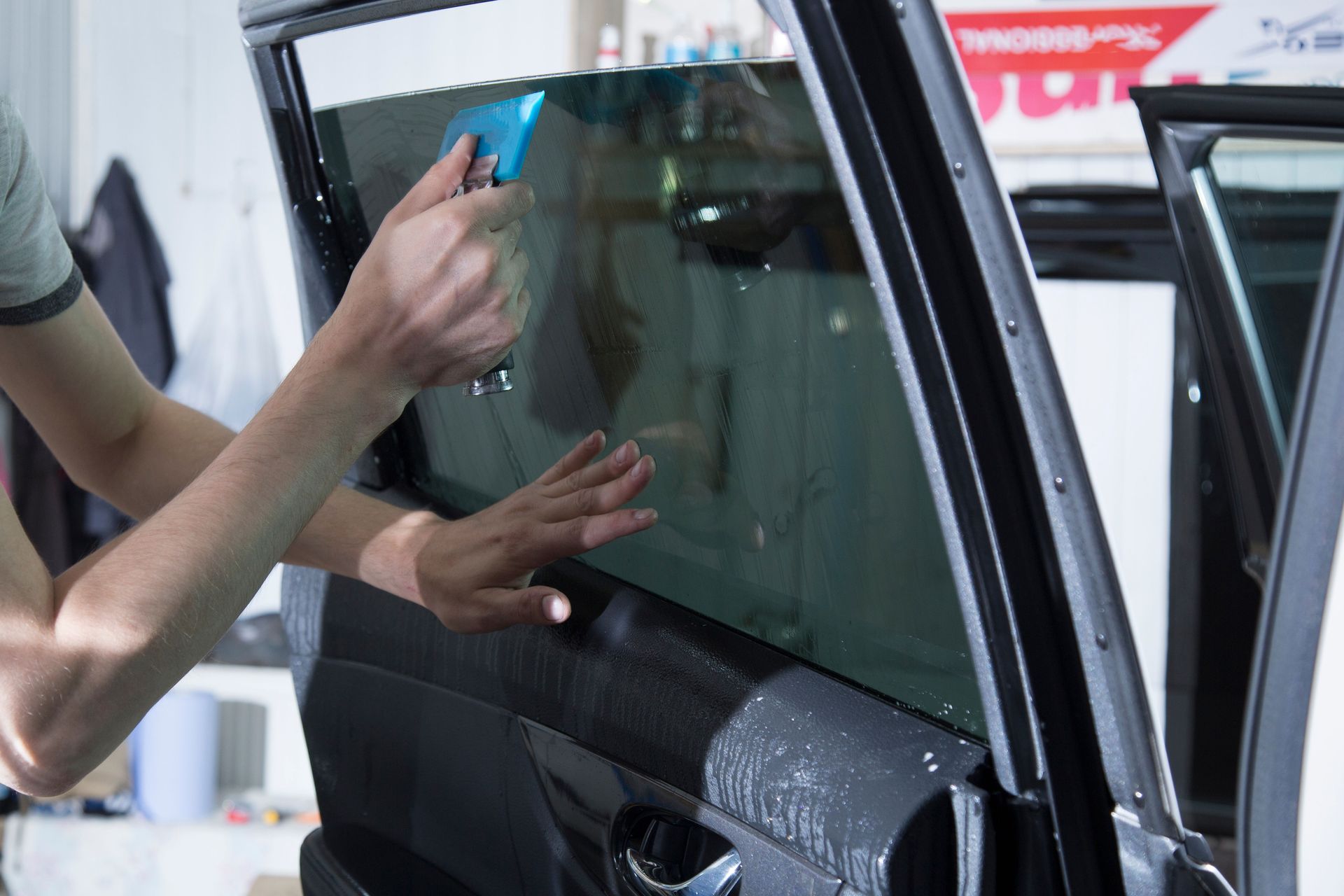
A professional ceramic tint installation follows a consistent and careful sequence:
- Glass preparation comes first, with every window surface thoroughly cleaned to remove dust, oils, and any existing residue that could cause bubbling or adhesion failure
- Film cutting is done precisely to match the exact dimensions of each individual window on your specific vehicle, either by hand or using a computer-guided cutting system
- Application solution is used to allow the installer to position the film accurately on the glass before it bonds permanently
- Squeegee work removes air and excess solution from beneath the film, creating a smooth, bubble-free surface across the entire window
- Edge sealing ensures the film sits flush against the window frame with no lifted corners or exposed edges
The Curing Period
Once the film is installed, the adhesive needs time to fully bond with the glass surface. In Mooresville's climate, the curing process typically takes between 3 and 5 days. During this period there are a few simple guidelines to follow:
- Do not roll your windows down under any circumstances during the curing period
- Small water bubbles beneath the film are completely normal during curing and will disappear on their own as the adhesive sets
- Avoid washing the exterior of your windows until curing is complete
- Warmer and drier conditions speed up the curing process, while cooler or more humid weather can extend it by a day or two
Full adhesion and maximum performance are reached once curing is complete, at which point the film is bonded permanently and ready to perform at its full capacity for years to come.
Conclusion
Ceramic window tinting is not a trend and it is not a gimmick. It is a technology upgrade that delivers real, measurable improvements for drivers dealing with the specific heat, UV exposure, and glare conditions that come with living and driving in Mooresville NC. From protecting your skin and your interior to keeping your cabin cooler and your electronics working without interference, ceramic film solves problems that standard tint films simply are not built to handle over the long term. The team at Champion Window Tinting works with drivers throughout the Mooresville and Lake Norman area every day, helping them understand exactly what their vehicles need and what ceramic technology can genuinely do for their daily driving experience.
Frequently Asked Questions
1. What makes ceramic window tinting different from regular tint film?
Ceramic tint uses nano-ceramic particles embedded into the film structure rather than dye or metal. This gives it superior heat rejection, UV blocking, and longevity without interfering with electronic signals or fading over time the way dyed films do.
2. Does ceramic window tinting really keep a car cooler in North Carolina summers?
Yes, and the difference is noticeable within the first few days of installation. By blocking the infrared radiation responsible for heat buildup, ceramic film reduces interior temperatures significantly and cuts down the time your air conditioning needs to cool the cabin.
3. How long does ceramic window tint take to cure in Mooresville NC?
Curing typically takes 3 to 5 days under normal conditions. Warmer and drier weather speeds the process up, while cooler or more humid conditions can extend it slightly. Windows should not be rolled down during this period.
4. Is ceramic window tinting street legal in North Carolina?
Yes, as long as the correct VLT percentage is selected for each window position. North Carolina requires at least 35% visible light transmission on front side windows. A professional installer will always match the film to the legal requirements for your specific vehicle type.
5. Does ceramic window film protect against interior fading and UV damage inside the car?
Absolutely. Ceramic film blocks up to 99% of ultraviolet radiation, which is the primary cause of dashboard cracking, seat fading, and trim deterioration over time. It is one of the most effective ways to preserve your vehicle's interior condition across years of regular use.
Articles from the Champion Window Tinting Blog
Champion Window Tinting Services