What Are the Best Window Tint Options for Surviving Hot Summers in North Carolina?
SCHEDULE ONLINEAnyone who has spent a July afternoon in North Carolina knows exactly what we are talking about. You walk back to your parked car after an hour inside a store, open the door, and get hit with a wall of heat that feels like you just opened an oven. The steering wheel is untouchable. The seat is scorching. The air conditioning runs flat out for ten minutes before things become remotely comfortable. If that sounds familiar, window tinting is one of the most practical solutions available to you, and the film type you choose makes an enormous difference in how well it actually performs.
This guide breaks down the best window tint options for North Carolina's summer conditions, what makes each film type perform differently in genuine heat and humidity, and what every driver should understand about staying legal while maximizing comfort. You are in the Lake Norman area or anywhere in the greater Charlotte region, Champion Window Tinting has been helping North Carolina drivers navigate exactly these decisions since 2001. But whether you are choosing a shop now or still doing your research, knowing the landscape of available options is the place to start.
Why North Carolina Summers Demand More Than Basic Window Tint
North Carolina sits in a climate zone that delivers a genuinely punishing combination of high temperatures, intense UV radiation, and significant humidity during summer months. The heat index in the Cornelius, Mooresville, and Huntersville areas regularly pushes well above 90 degrees Fahrenheit from June through August, and parked vehicles absorb and trap that solar energy rapidly. Interior temperatures in a closed vehicle parked in direct sun can exceed 150 degrees Fahrenheit within an hour.
Basic or entry-level window tint can reduce some of that heat load, but they are not engineered for the kind of performance that genuinely makes a difference in these conditions. If you want a film that does serious work against both heat and UV radiation, you need to understand what separates one film category from another before you make a decision.
Understanding How Window Tint Actually Fights Heat
Not all window tint works the same way. There is a real technical difference in how different film types address heat, and understanding that difference helps you evaluate options rather than just picking a shade of darkness and hoping for the best.
What Is Infrared Rejection and Why Does It Matter in a Hot Climate?
The heat you feel inside a parked car is driven primarily by infrared radiation, which is a portion of the solar energy spectrum that passes through glass easily and converts to heat once it makes contact with surfaces inside the vehicle. Visible light, which is what darkening a film addresses, is only part of the picture. A film can block a significant percentage of visible light while still allowing substantial infrared radiation to pass through, meaning the cabin still heats up significantly even with dark tint installed.
Films engineered for infrared rejection address this directly. They are designed to block infrared wavelengths specifically, which is what actually drives interior temperature buildup. In a climate like North Carolina's, where summer sun is relentless, a film's infrared rejection rating is one of the most important numbers on the spec sheet.
How UV Blocking Protects You and Your Vehicle Interior
UV radiation operates on a different part of the spectrum than infrared, but it causes a different category of damage. UV rays are the primary driver of skin damage during prolonged sun exposure, and they are also responsible for the fading, cracking, and brittleness that affects leather seats, dashboard materials, and interior trim over time. Quality window films block close to 99% of UV radiation regardless of the film tier, which means even entry-level tint offer meaningful UV protection. Where the tiers diverge is in how well they address heat through infrared rejection and overall durability.
The Main Window Tint Film Options Available for North Carolina Drivers
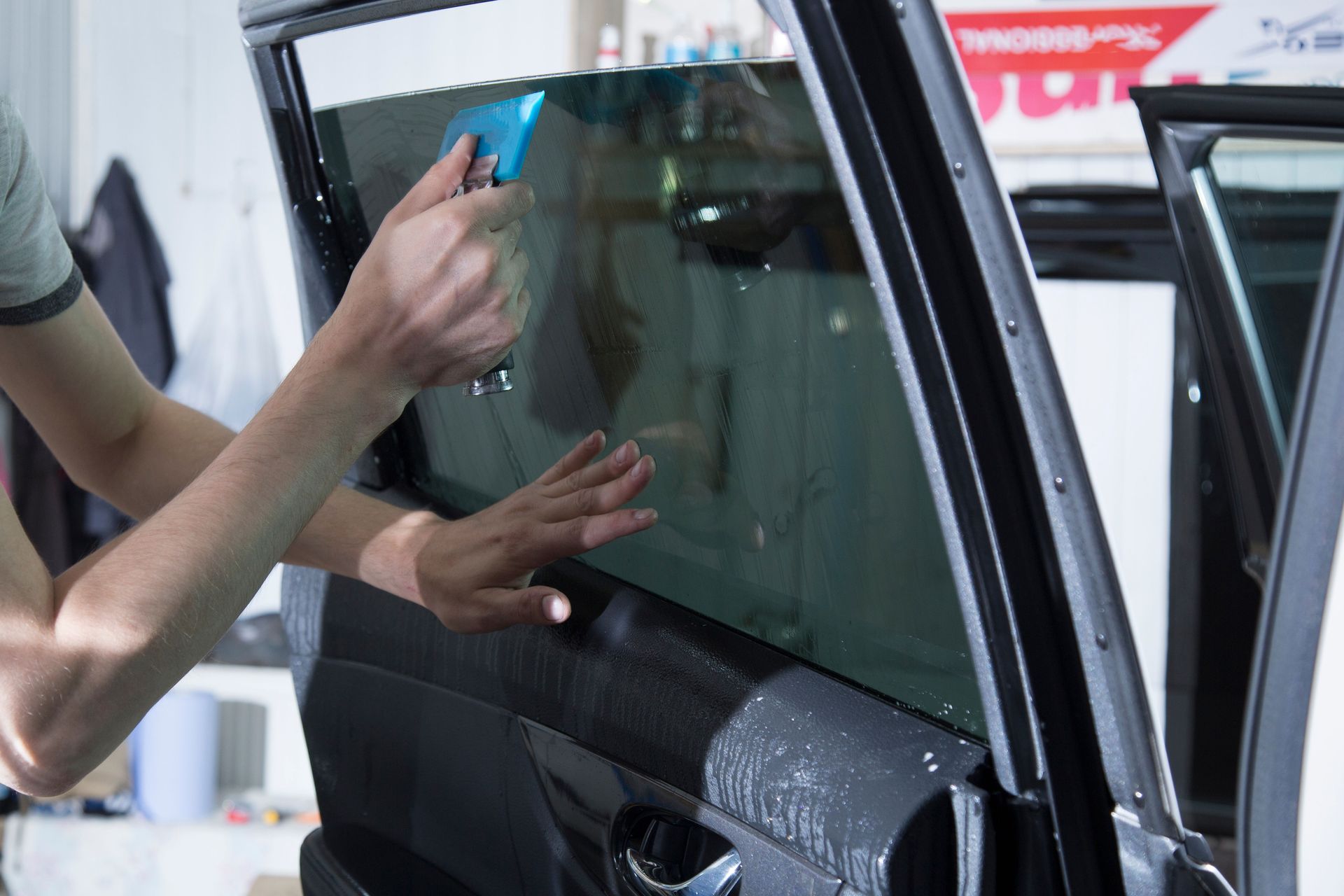
There are three primary film categories you will encounter when shopping for auto window tinting Cornelius NC. Each one has a distinct performance profile, price range, and trade-off set worth understanding before you commit to a specific product.
Dyed Film: The Starting Point Most Drivers Eventually Move Away From
Dyed film is the most basic category of window tint and also the most affordable. It works by absorbing solar energy through layers of dye embedded within the film, and it delivers reasonable privacy and glare reduction. For UV blocking, it performs adequately. The problem lies in its heat rejection performance and its longevity in harsh climates. The dye in these films degrades under sustained UV exposure, causing the film to shift toward a purple or brownish hue over time. In North Carolina's intense summer sun, that degradation often happens faster than it would in milder climates.
From a pure heat management standpoint, dyed film absorbs rather than rejects solar energy. That absorbed heat can still transfer into the vehicle cabin, especially on prolonged exposure, which limits how much comfort improvement it actually delivers on the hottest days. Drivers who install dyed film often find themselves researching better options within a year or two, which ends up costing more in the long run than starting with a higher-tier product.
Carbon Film: A Solid Middle-Ground for Everyday Heat Reduction
Carbon window film sits meaningfully above dyed film in both performance and durability. It uses carbon particles rather than dye to block solar energy, which means it does not fade or shift color over time the way dyed film does. Carbon film offers better heat rejection than entry-level options and provides a matte, non-reflective appearance that many drivers find visually appealing. For drivers working within a moderate budget who want a genuine upgrade from dyed film, carbon is a practical and worthwhile choice.
The limitation of carbon film, particularly in the context of North Carolina summers, is its infrared rejection capability relative to ceramic. Carbon performs better than dyed film in this area but still does not match what ceramic technology delivers. On a 95-degree day with direct sun exposure, the gap between carbon and ceramic performance becomes tangible.
Ceramic Film: Why It Dominates Summer Performance in North Carolina
Ceramic window film is the top-tier option in the automotive tinting market, and for drivers in a climate like North Carolina's, it is the film category most suited to delivering genuine, lasting comfort improvements. Ceramic films use non-metallic, non-conductive ceramic nanoparticles embedded in the film matrix to reject infrared heat at a significantly higher rate than either dyed or carbon alternatives.
The performance numbers are not marginal. Quality ceramic films can reject substantially more infrared energy than carbon options, which translates to a measurably cooler cabin temperature on hot days. The film also maintains that performance over time without degradation, does not interfere with GPS signals, mobile connectivity, or radio reception, and delivers superior optical clarity compared to other film categories. Champion Window Tinting works with ceramic film options that are built specifically for this kind of demanding climate performance, and their team has been installing these products on North Carolina vehicles for well over two decades.
How Ceramic Tint Compares to Carbon in Real Summer Conditions
In practical terms, the difference between ceramic and carbon tint on a hot North Carolina afternoon is noticeable rather than theoretical. Vehicles with ceramic film installed cool down faster after sitting in the sun, maintain lower interior temperatures during driving, and require less work from the air conditioning system to reach a comfortable cabin temperature. Over a full summer of daily driving, that difference adds up in both comfort and fuel efficiency. For drivers who spend significant time in their vehicles or have premium leather interiors worth protecting, ceramic represents a compelling long-term investment.
What North Carolina Tint Laws Say About Darkness Levels
Before selecting a film darkness level, every North Carolina driver needs to understand the state's legal requirements. Window tinting in North Carolina is governed by specific VLT rules, which stands for Visible Light Transmission, and non-compliant installations can result in fines or other enforcement action.
Front Side Window VLT Requirements
North Carolina requires front side windows to allow at least 35% of visible light to pass through. This applies to the windows beside both the driver and the front passenger. Films darker than 35% VLT are not legally permitted on front side windows for passenger vehicles in the state, regardless of how dark the rear windows are.
Rear Window and Rear Side Window Rules by Vehicle Type
For passenger cars, rear side windows and the rear windshield must also meet a 35% VLT minimum. For larger vehicles including SUVs, vans, and multi-purpose vehicles, the regulations offer more flexibility on the rear side windows and rear windshield, allowing darker installations on those specific windows. Understanding which category your vehicle falls into is essential before selecting film for the rear of the car.
Staying Legal While Maximizing Heat Rejection
The good news is that staying within legal VLT limits and maximizing heat rejection are not mutually exclusive goals. High-quality ceramic films at 35% VLT or above can still reject a substantial percentage of infrared heat and UV radiation. Darkness level and heat performance are separate variables. A 40% ceramic film will outperform a 20% dyed film in terms of actual heat rejection, which is a fact worth keeping in mind when evaluating your options.
Film Brands Worth Knowing Before You Walk Into a Shop
The brand of film a shop carries is one of the clearest indicators of their commitment to quality. Generic, no-name films sourced from unknown suppliers carry no accountability and no meaningful warranty. Industry-recognized brands have documented performance data, established manufacturer warranties, and consistent quality control standards.
SunTek, Madico, SolarFX, and Global: What Sets Them Apart
Champion Window Tinting works with SunTek, Global, SolarFX, and Madico, all of which are recognized names in the professional window film industry. SunTek is known for its broad range of ceramic and carbon options with strong heat rejection performance across multiple price points. Madico has a long track record in both automotive and architectural applications. SolarFX and Global round out a lineup that gives customers flexibility without sacrificing the quality baseline that a reputable shop needs to stand behind its work with confidence.
When evaluating any shop for auto window tinting in North Carolina, ask which specific brands they carry and whether those brands come with manufacturer-backed warranties. A shop that cannot answer that question clearly is one worth reconsidering.
How to Evaluate a Shop's Film Knowledge Before Committing
The shop you choose matters as much as the film you select. Poor installation of a premium film still produces a poor result. Professional installation of a quality film produces results that hold up for years. Here is how to tell the difference before you hand over your keys.
Questions to Ask Any Tint Shop About Summer Performance
Ask a shop specifically which film they would recommend for maximum heat rejection under North Carolina summer conditions and why. A knowledgeable installer will speak to infrared rejection rates, the specific film brand and product line being recommended, and how that film has performed on vehicles in similar climates. Ask whether they use computer-cut templates for your specific vehicle make and model, whether their installations are covered by a workmanship warranty in addition to the manufacturer film warranty, and how they ensure their installations comply with current North Carolina window tint laws. These questions reveal a shop's tech.
Why Champion Window Tinting Has Earned Its Reputation in North Carolina
Since opening in 2001, Champion Window Tinting has built a track record in the Lake Norman and greater Charlotte area that reflects both the quality of their materials and the consistency of their installation standards. They are certified in the film products they install, which means their technicians have completed formal training with the brands they carry rather than simply applying whatever product is available.
Their approach to window tinting in North Carolina is built around doing the job correctly the first time. That means walking customers through the legal VLT requirements for their specific vehicle type, explaining the performance differences between film categories in plain language, and selecting a film that genuinely addresses what the customer needs rather than simply upselling the most expensive option. Their team serves customers across Cornelius, Huntersville, Mooresville, Davidson, Denver, and the broader Lake Norman region, and their reputation in those communities reflects years of consistent work. Drivers looking to learn more about available film options and performance specifications can explore the details at championwindowtinting.com before making any decisions.
Conclusion
North Carolina summers are not forgiving, and a vehicle that absorbs and traps heat all day is a daily discomfort that quality window tinting can meaningfully address. The key is choosing the right film type for the job. Dyed film is a starting point but struggles in genuine summer heat. Carbon offers a real step up in both performance and durability. Ceramic film is the clear leader for infrared rejection, longevity, and optical quality, particularly in a climate that puts constant pressure on whatever you install. Understanding the legal VLT requirements, the film brands worth trusting, and what to ask a shop before committing puts you in a position to make a decision you will still be satisfied with years down the road.
Champion Window Tinting has been helping North Carolina drivers choose and install the right film for their vehicles since 2001. Visit championwindowtinting.com to explore film options and get a transparent quote before your next installation.
FAQs
1. What window tint film type offers the best heat rejection for North Carolina summers?
Ceramic window film consistently delivers the best heat rejection performance for hot climates like North Carolina's. It uses ceramic nanoparticles to block a high percentage of infrared radiation, which is the primary driver of interior heat buildup in parked and moving vehicles. Unlike dyed or carbon films, ceramic tint maintains that performance level over time without fading or degrading, making it particularly well-suited to sustained exposure to North Carolina's summer sun.
2. Does a darker tint percentage always mean better heat rejection in North Carolina?
No, and this is one of the most common misconceptions drivers bring into the tint selection process. Darkness level, measured as VLT percentage, controls how much visible light passes through the film. Heat rejection is primarily driven by the film's infrared blocking capability, which is a separate specification. A high-quality ceramic film at 40% VLT will outperform a low-grade dyed film at 20% VLT in terms of actual heat reduction. Always ask about infrared rejection ratings alongside VLT percentages when evaluating film options.
3. What is the darkest legal window tint for front side windows in North Carolina?
Since December 1, 2025, North Carolina no longer checks window tint as part of the annual vehicle inspection. However, applicable window tint laws are still enforced on the road, so drivers should make sure their tint complies with current state requirements.
4. How long does ceramic window tint last on a vehicle in a hot climate like North Carolina?
High-quality ceramic window film installed by a certified professional can last ten years or more without peeling, bubbling, cracking, or significant color change. Its durability in hot climates is one of its primary advantages over dyed film, which is more susceptible to UV-driven degradation. Proper care, including avoiding harsh chemical cleaners on the interior glass surface and waiting the recommended curing period before rolling windows down after installation, supports the longest possible service life.
5. Will ceramic window tint interfere with GPS navigation or mobile phone signals in my vehicle?
No. This is one of the notable advantages of ceramic film over older metallic film technologies. Ceramic films use non-metallic, non-conductive particles, which means they do not block or interfere with electronic signals. GPS performance, mobile connectivity, satellite radio, and any other signal-dependent systems in your vehicle function normally through ceramic tint. Metallic films, which are an older and less common film category, can sometimes affect signal reception, but ceramic does not carry that limitation.
Articles from the Champion Window Tinting Blog
Champion Window Tinting Services