How to Choose the Right PPF Coverage for Your Vehicle in Cornelius, NC
SCHEDULE ONLINEPaint protection film is not a one-size-fits-all decision. The product is consistent across reputable installer-grade options, but the coverage scope varies enormously from a targeted front-end package to a near-complete vehicle wrap, and choosing the wrong level creates one of two outcomes. Undercoverage leaves the surfaces that actually take damage unprotected while paying for a product that cannot fulfil its purpose on those zones. Overcoverage applies comprehensive protection to panels that your specific driving situation will never stress, spending more than the actual risk exposure justifies.
Getting the coverage decision right requires understanding what your specific vehicle faces on Cornelius and Charlotte area roads, what your ownership plans are, and which surfaces accumulate the damage that PPF specifically prevents. Champion Window Tinting has been completing paint protection film installations at the Cornelius shop since 2001, and the guidance here reflects what actually drives coverage decisions for the vehicles driven in this specific market.
Why Coverage Selection Matters as Much as the Product Itself
The difference between installer-grade PPF products at comparable quality tiers is smaller than most drivers expect. The difference between the right and wrong coverage scope for a specific vehicle and driving situation is significant. Two drivers who install the same quality film on identical vehicles in Cornelius can have entirely different outcomes if one chooses coverage that matches their actual risk exposure and the other does not.
What Happens When You Choose the Wrong Coverage Level
A driver who commutes daily on I-77 and installs coverage only on the rear panels has protected the surfaces least likely to chip while leaving the front bumper, hood leading edge, and front fenders completely exposed to the highway debris that creates the most damage on every commute. The coverage investment produces no protection where the risk is highest.
A driver who pays for full-body Max Package coverage on a low-mileage weekend vehicle that parks in a covered garage and never sees highway speeds has protected every panel against risks that driving habits and storage conditions make nearly irrelevant. The investment is larger than the actual risk exposure requires. Understanding the damage categories that your specific situation creates is the starting point for a coverage decision that delivers genuine return on the investment.
Understanding What PPF Actually Protects Against
Before matching coverage to the situation, understanding precisely what paint protection film addresses helps calibrate which surfaces on any specific vehicle face the threats that PPF is designed to prevent.
Physical Impact Protection on North Carolina Roads
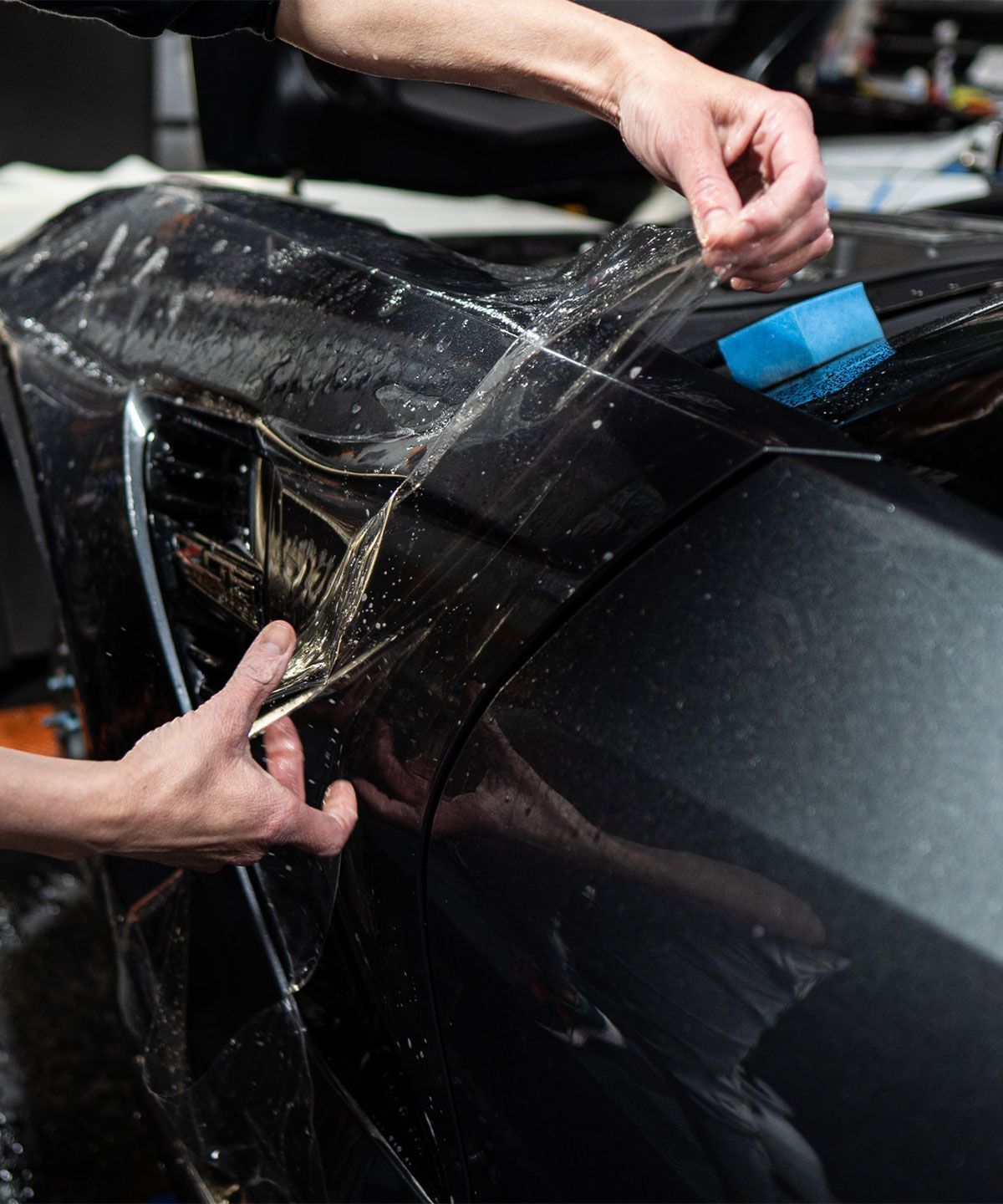
Paint protection film Cornelius, NC is a thermoplastic urethane material that absorbs physical impact energy from rock chips, road debris, gravel, and low-speed contact before that energy reaches the factory clear coat beneath. North Carolina roads present this threat most intensely on the I-77 corridor through Cornelius and the I-485 outer loop around Charlotte where commercial truck traffic generates sustained debris exposure during peak commuting hours.
The front-facing surfaces of any vehicle driven regularly on these routes accumulate chip damage at a predictable rate that is directly proportional to highway mileage. Front bumper, hood leading edge, front fenders, and headlights face the debris directly. These surfaces are where the damage that PPF prevents appears first and most visibly on any Charlotte area commuter vehicle.
Self-Healing Technology and What It Means in Practice
Installer-grade paint protection film uses urethane topcoat formulations with memory properties that allow light surface scratches to disappear when exposed to heat. North Carolina's warm climate from spring through fall provides consistent self-healing activation conditions. Afternoon sun during outdoor parking pushes film surface temperatures above the activation threshold, allowing the topcoat to return to its smooth original configuration without any owner intervention.
This self-healing cycle passively manages the minor scratch accumulation from car wash contact, parking lot encounters, and everyday driving that appears on any film-covered surface across the ownership period. It does not repair deeper gouges or impacts that exceed the film's absorption capacity, but it handles the surface-level wear that would otherwise accumulate visibly on unprotected paint.
What PPF Does Not Address
Paint protection film does not provide the chemical contamination resistance that ceramic coating delivers. The film topcoat resists many environmental contaminants but its primary engineering purpose is physical impact absorption rather than chemical defense. Bird droppings, tree sap, and acidic pollen that sit on film surfaces for extended periods can still etch the topcoat if left unaddressed, particularly during North Carolina's spring pollen season when organic contamination accumulates rapidly.
Understanding this distinction prevents the common mistake of treating PPF as a substitute for ceramic coating. The two products address different damage categories and produce their strongest combined result when used together rather than as alternatives to each other.
The Three Coverage Tiers Available in Cornelius, NC
Champion Window Tinting offers three standard coverage packages for paint protection film installations in Cornelius. Each tier addresses a different protection priority and represents a distinct investment level.
Pro Package: Front-End Coverage
The Pro Package starts at $1,900 and covers the front bumper, full hood, side mirrors, full front fenders, and headlights. This combination covers every surface that faces forward during highway driving and absorbs the highest concentration of rock chip impacts during Charlotte area commuting.
The Pro Package is the starting point that addresses the primary paint damage concern for any Cornelius vehicle driven regularly on I-77 or I-485. For drivers whose primary concern is preventing front-end chip accumulation from highway debris, the Pro Package delivers maximum protection on the highest-risk surfaces at the most accessible investment level in the coverage tier structure. A single panel repaint at a quality body shop in the Charlotte area runs $400 to $800, which means preventing two or three front bumper repaint events over a five-year ownership period returns the Pro Package investment multiple times over.
Plus Package: Front-End and Rocker Panel Coverage
The Plus Package starts at $2,500 and adds rocker panels to the Pro Package coverage. Rocker panels run the full length of the vehicle along the lower body where road spray from all four tires deposits debris, grit, and chemical contamination during every drive.
The addition of rocker panel coverage addresses the second highest chip-risk zone after the front panels on any Cornelius vehicle driven on roads with loose surface material or construction debris. For daily commuters who regularly navigate construction zones on Charlotte area roads, the Plus Package provides meaningful additional protection at a modest investment step above the Pro Package base price.
Max Package: Near-Complete Vehicle Coverage
The Max Package starts at $5,500 and covers nearly the complete vehicle including front and rear bumpers, full hood, full fenders, doors, roof, trunk, and all lights. Every painted surface that faces significant debris, UV, or environmental exposure receives physical protection.
The Max Package is appropriate for new vehicle owners who want comprehensive protection from day one, luxury vehicle owners where the prevented damage cost justifies comprehensive coverage, and drivers planning long-term ownership who want a single installation that covers the full ownership period without requiring targeted additions as the vehicle ages. For a current-model BMW M3, Porsche 911, or Tesla Model Y, the Max Package investment represents a small fraction of the vehicle value while preventing the damage accumulation that Charlotte area roads would otherwise produce across five or more years of daily driving.
How to Match Coverage to Your Driving Situation
Daily Commuters on Charlotte Area Highways
A driver who commutes daily on I-77 between Cornelius and Charlotte, covering 25,000 or more miles annually with regular highway exposure, faces the highest chip accumulation rate of any driving profile. Front-end chip damage on the bumper and hood leading edge is visible within the first year on most unprotected vehicles at this mileage level.
The Pro Package minimum is the appropriate starting point for this driver. The Plus Package addition of rocker panel coverage is worth considering for drivers who regularly travel construction-zone routes where loose surface material deposits on rocker panels with every pass. The Max Package represents the strongest investment for high-mileage commuters who plan five or more years of ownership because the comprehensive coverage prevents the chip accumulation across all panels that daily highway mileage produces at a predictable rate.
Weekend and Occasional Drivers
A driver who covers 8,000 to 10,000 miles annually with limited highway exposure, parks in covered facilities, and uses the vehicle primarily for local Cornelius, NC and Lake Norman area driving faces a substantially lower chip accumulation rate than a daily highway commuter. The primary risks are parking lot contact on door edges, minor debris from local roads, and UV exposure during outdoor parking.
For this driving profile, the Pro Package covers the front-end surfaces that face the highest impact risk during the limited highway exposure the vehicle sees. The Max Package is worth considering for high-value vehicles where even low-mileage parking lot exposure justifies comprehensive coverage, but the investment case for full-body coverage is weaker for occasional-use vehicles than for daily commuters.
New Vehicle Owners
New vehicle owners represent the strongest case for early comprehensive coverage regardless of driving profile. The economic argument for PPF improves significantly when the paint being protected is factory-fresh rather than already showing minor chips and surface wear from months of unprotected driving.
Every week of unprotected driving in Cornelius and the Charlotte area accumulates the small chips, parking lot door dings, and surface contamination that either requires correction before PPF is applied or gets permanently locked in beneath the film at installation. A new vehicle owner who installs Max Package coverage within the first month of ownership sets the vehicle up for the lowest total chip accumulation cost across the full ownership period because the protection begins before any damage has accumulated.
High-Value and Luxury Vehicle Owners
For BMW, Mercedes, Porsche, Corvette, and Tesla owners in Cornelius and the surrounding communities, the coverage decision shifts because the prevented damage cost per event is proportionally higher. A single front bumper repaint on a current-model Porsche Cayenne or BMW M5 runs $700 to $1,200 at a quality Charlotte area body shop. The Pro Package investment at $1,900 prevents the damage that would require two such repairs.
For these vehicles, the Max Package argument is compelling because comprehensive coverage converts the vehicle's full painted surface from a damage accumulation asset into a protected surface where the film absorbs the wear that Charlotte area roads would otherwise inflict directly on the factory paint.
Long-Term Ownership Plans
A driver planning to keep their vehicle for eight or more years faces a different coverage calculation than a driver on a three-year lease. Over an eight-year ownership period in Cornelius, the front-end chip accumulation from regular I-77 driving, the UV fading on unprotected rear panels, and the rocker panel salt and grit damage from Charlotte area winter driving all compound into visible paint degradation that directly affects the vehicle's trade-in or private sale value.
The Max Package investment spread across an eight-year ownership period represents a small annual cost that prevents paint degradation across every panel. Drivers planning three-year lease cycles have less financial incentive for full-body coverage because the vehicle does not remain in their ownership long enough for the comprehensive protection to fully pay back.
How Vehicle Type Affects Coverage Decisions
Sedans and Coupes
Standard sedans and coupes have lower ground clearance than SUVs and trucks, which means road spray from the front wheels contacts the lower front panels at a different angle and volume than on higher-clearance vehicles. This creates a stronger case for rocker panel coverage on sedans than on trucks. The Plus Package that adds rocker panels to the Pro base coverage is often the stronger investment for sedan owners who drive regularly on Cornelius and Charlotte area roads compared to the Pro Package alone.
SUVs and Trucks
SUVs and trucks have larger total panel area than standard sedans, which means Max Package full-body coverage costs more on these vehicles than the base pricing indicates for cars. The higher ground clearance also means road spray deposits on rocker panels at a different angle. For full-size trucks and large SUVs used primarily for daily commuting with regular highway exposure, the Pro or Plus Package covering the high-impact front zones represents the strongest value decision per dollar invested.
Performance and Sports Cars
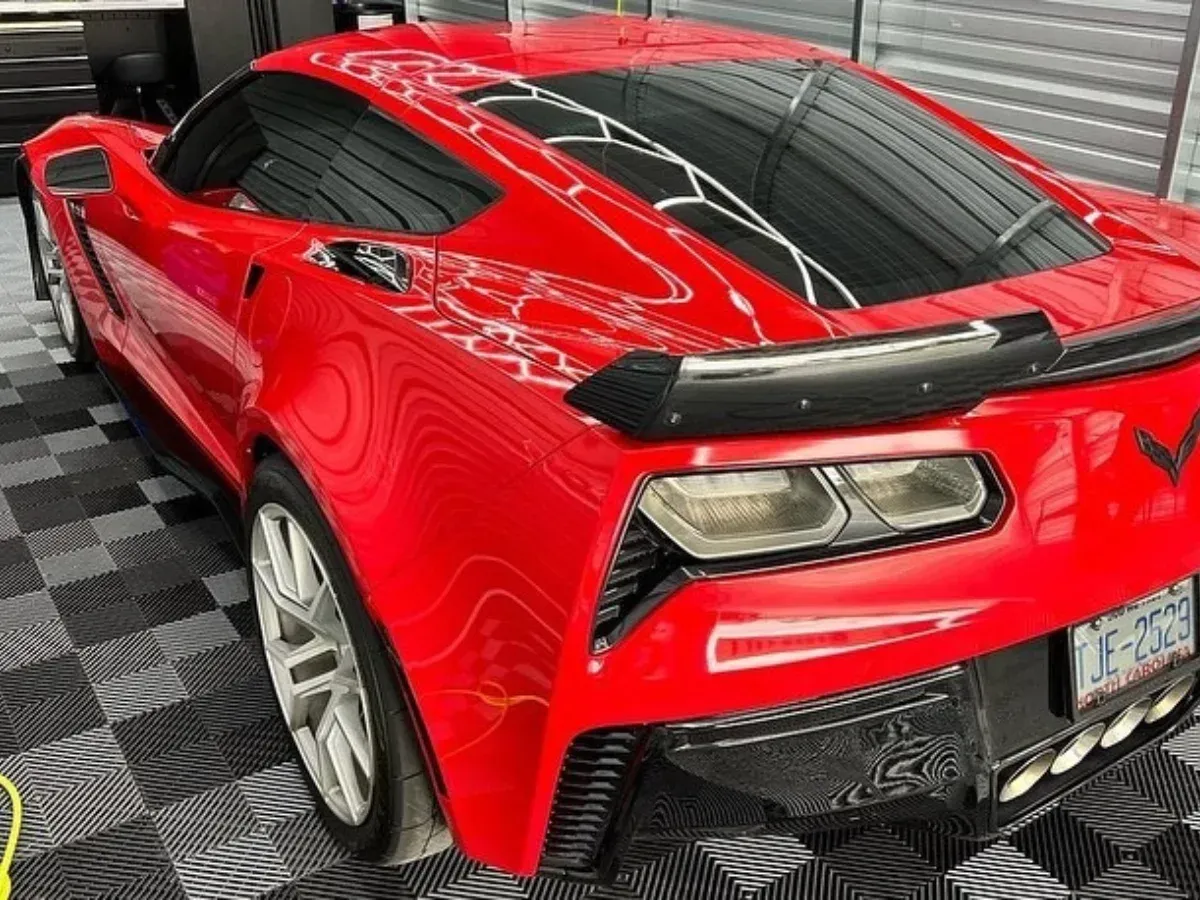
Performance vehicles including Corvette, Mustang GT500, BMW M Series, and Porsche models sit low and have aerodynamic body lines that channel air and road debris differently than standard vehicles. The front splitters, lower bumper sections, and side skirts on these vehicles face debris contact at angles and velocities that standard sedan front panels do not experience. Full front coverage that extends to the lower bumper sections and side skirt leading edges is the appropriate minimum for any performance vehicle driven on Charlotte area roads.
Tesla and EV Owners in Cornelius
Tesla's documented thin factory clear coat creates a chip accumulation rate that consistently surprises first-time Tesla owners who have driven other vehicles on the same Charlotte area routes without significant paint damage. Front-end coverage is the minimum protection investment for any Tesla driven regularly on I-77 or I-485. The Max Package is the appropriate choice for any Tesla owner planning three or more years of ownership because the thin clear coat makes the prevented damage cost per event higher than on vehicles with thicker factory paint.
How North Carolina's Roads and Climate Affect Coverage Priority
Highway Chip Exposure on I-77 and I-485
The I-77 corridor through Cornelius and the I-485 outer loop carry the heaviest commercial truck traffic in Champion's service area. Trucks shed debris and create turbulence that delivers surface material to following vehicles at highway speed. This debris concentration makes front-end coverage the highest-priority installation for any Cornelius vehicle whose owner commutes regularly on these routes.
The Route 115 corridor through Cornelius and Davidson, while carrying less commercial traffic than the interstates, presents its own debris exposure from construction activity and landscaping vehicles common in the Lake Norman area. Any vehicle that uses Route 115 as a primary commuting route benefits from front-end coverage that addresses the debris these road users deposit during every drive.
North Carolina UV Season and Film Longevity
North Carolina's UV season from March through October creates sustained UV exposure that affects film longevity differently across coverage levels. Installer-grade film uses UV-stable urethane chemistry that resists the photodegradation that lower-quality film products experience under this UV load. Premium installer-grade film carries ten-year manufacturer warranties that reflect this UV stability across North Carolina's full seasonal cycle.
For Cornelius vehicles that park outdoors during workday hours, the UV exposure that film-covered surfaces accumulate across the ownership period is absorbed by the film rather than the factory clear coat beneath. This UV absorption function adds a protection dimension to paint protection film that is most relevant for vehicles with significant outdoor parking exposure during North Carolina's seven-month high-UV season.
Road Salt and Winter Driving in the Charlotte Area
The Charlotte area experiences winter weather treatment with road salt and brine during ice and snow events that typically occur multiple times between December and February. While North Carolina's winter road treatment is less sustained than Michigan or Ohio, the salt chemistry that contacts vehicle surfaces during these events creates a specific protection priority for lower body panels.
Rocker panels and the lower sections of front and rear bumpers face direct salt spray during winter driving. For vehicles whose owners plan to keep them through multiple Charlotte area winters, the Plus Package addition of rocker panel coverage addresses this salt exposure pathway with a modest investment above the Pro Package base price. The Max Package full-body coverage addresses the lower bumper sections and door lower edges that also face salt contact during winter driving events.
Paint Correction Before PPF Installation
Why Paint Condition at Installation Determines Long-Term Results
Paint protection film bonds to whatever surface condition exists at the time of application. Chips, scratches, swirl marks, and contamination that are present on the paint when the film is installed remain visible beneath the film for the full installation period. The film does not correct existing paint defects. It preserves the condition it finds at installation and prevents new damage from forming on top of it.
A vehicle with fresh paint in excellent condition at installation produces a film result that looks as good as the underlying paint across the full coverage period. A vehicle with existing chips, swirl marks, and surface contamination produces a film result that preserves those defects permanently beneath the protective layer. This is why paint correction before PPF installation is not an optional add-on for vehicles with paint defects. It is the step that determines whether the installation looks as good as it should.
What Paint Correction Involves Before Film Application
Paint correction before PPF installation involves machine polishing to remove swirl marks and light surface scratches that would be visible beneath the film. The extent of correction required depends on the existing paint condition assessed during the pre-installation consultation. Minor swirl mark correction requires a single-stage polish. More significant surface defects require multi-stage correction with progressively finer polishing compounds.
The paint correction step also includes a full decontamination wash and clay bar treatment to remove bonded surface contamination that regular washing does not address. Industrial fallout, embedded road grime, and brake dust deposits that contaminate the paint surface below the level visible to the naked eye affect film adhesion if not removed before application. A properly decontaminated and corrected paint surface allows the film adhesive to bond completely and uniformly across every covered panel.
Common Coverage Selection Mistakes in Cornelius
Choosing the Pro Package without assessing rocker panel exposure. For Cornelius drivers who regularly travel construction routes or park in areas where road debris deposits on lower body panels, the rocker panels face meaningful chip exposure that the Pro Package does not address. Assessing the specific routes driven before finalising coverage prevents this gap.
Choosing full-body coverage for a vehicle near the end of planned ownership. A driver planning to sell or trade a vehicle within twelve to eighteen months who pays for Max Package full-body coverage will not keep the vehicle long enough for the comprehensive protection to produce its full return. Coverage scope should match ownership duration.
Delaying installation until chips are already visible. Every chip that forms before installation is permanent beneath the film. Drivers who delay PPF installation because the vehicle looks fine often discover at the consultation that paint correction is needed to address the chip and scratch accumulation from months of unprotected Charlotte area driving. Early installation within the first month of ownership or at the start of a new vehicle ownership period prevents the correction costs that delayed installation produces.
Assuming all coverage packages include the same film product. Coverage scope and film quality are separate variables. A Pro Package installation with premium installer-grade film is a different investment from a Pro Package installation with lower-tier film. Confirming the specific product being installed at each tier and its manufacturer warranty terms ensures the coverage decision includes both scope and product quality.
What to Ask Before Booking Your PPF Installation
Before booking any PPF installation in Cornelius or the Charlotte area, these five questions produce the information needed to make a confident coverage decision.
What specific film product will be installed and what is its manufacturer warranty? What paint correction assessment will be performed before installation begins and how is correction cost determined? What does each package specifically cover and are there any panels within the package area that are excluded? How is the film applied at panel edges, and does the application technique account for North Carolina's winter road salt exposure at edge seams? Can the coverage scope be extended at a future appointment without requiring removal of existing film or repeating preparation work?
A qualified Cornelius installer answers all five questions specifically and in writing before any deposit is taken.
Conclusion
Choosing the right PPF coverage for a Cornelius, NC vehicle starts with an honest assessment of three variables: the driving situation that creates chip and damage exposure, the vehicle type that determines which surfaces face the highest risk, and the ownership duration that determines how many years the protection investment needs to pay back. The Pro Package addresses front-end chip exposure for standard Charlotte area commuters at the most accessible investment level. The Plus Package adds rocker panel protection for drivers whose routes create lower body debris exposure. The Max Package delivers comprehensive coverage for new vehicles, high-value cars, and long-term ownership situations where protecting every painted surface produces the strongest total return.
Champion Window Tinting provides paint protection film installations across Cornelius, Lake Norman, Davidson, Mooresville, and the wider Charlotte area with certified installation, manufacturer warranty registration, and the pre-installation paint correction assessment that ensures every film application bonds to properly prepared paint. Every coverage recommendation starts with an honest conversation about the specific vehicle and driving situation rather than defaulting to the highest-priced package regardless of fit.
Get a Coverage Recommendation for Your Specific Vehicle in Cornelius, NC.
The right coverage scope starts with a conversation about how you drive and what you want to protect. Champion Window Tinting at 10415 Bailey Rd, Cornelius, NC provides written quotes covering film product, coverage scope, paint correction assessment, and warranty terms for every vehicle before any work begins. Call (704) 275-2002 or schedule online to discuss your vehicle and find out which package delivers the strongest protection return for your specific ownership situation.
Frequently Asked Questions
1. How much does paint protection film cost in Cornelius, NC?
Champion Window Tinting's Pro Package covering the front bumper, full hood, mirrors, full front fenders, and headlights starts at $1,900. The Plus Package adding rocker panels to the Pro coverage starts at $2,500. The Max Package near-complete vehicle coverage starts at $5,500. Final pricing depends on vehicle size and complexity. A written itemised quote after a pre-installation consultation provides accurate pricing for the specific vehicle.
2. Which PPF package is most popular for daily drivers in Cornelius?
The Pro Package is the most common choice for Cornelius and Charlotte area daily commuters because it addresses front-end chip accumulation from I-77 and I-485 highway driving at the most accessible investment level. Drivers who regularly travel construction routes or whose vehicles show rocker panel debris accumulation from specific commuting routes frequently upgrade to the Plus Package to address that additional exposure zone.
3. Can PPF be added to a vehicle that already has ceramic coating?
Yes, though the sequence matters. Paint protection film applied over existing ceramic coating bonds to the ceramic layer rather than directly to the factory clear coat. This is technically acceptable but some installers prefer to remove the ceramic coating in the areas to be filmed before applying the film directly to the paint for maximum adhesion. Champion Window Tinting assesses each specific situation during the pre-installation consultation and recommends the appropriate approach based on the ceramic coating product and condition present on the vehicle.
4. How long does a PPF installation take at Champion Window Tinting in Cornelius?
A Pro Package front-end installation typically takes one full day at the Cornelius shop. The Plus Package adding rocker panels runs one to one and a half days. The Max Package near-complete vehicle coverage takes two full days depending on vehicle size and body complexity. Paint correction before installation adds time proportional to the extent of correction required. A specific timeline is confirmed during the pre-installation consultation once the vehicle's paint condition has been assessed.
5. Does paint protection film require special maintenance after installation in North Carolina?
Installer-grade paint protection film requires straightforward maintenance that most Cornelius vehicle owners find less demanding than maintaining unprotected paint. Hand washing with pH-neutral automotive shampoo and a soft microfiber mitt preserves the film surface and avoids the micro-abrasions that automatic brushed car washes introduce. Annual maintenance booster products formulated for film surfaces refresh the hydrophobic topcoat and extend the film's effective performance period. Avoiding ammonia-based glass cleaners on film-adjacent surfaces prevents the topcoat degradation that these products accelerate on urethane film chemistry.
Articles from the Champion Window Tinting Blog
Champion Window Tinting Services