Ceramic Coating or PPF in Lake Norman, NC: Which Is Right for Your Vehicle?
SCHEDULE ONLINELake Norman is not an average automotive market. The communities surrounding the lake, from Cornelius and Davidson to Mooresville and Denver, have one of the highest concentrations of luxury vehicles, performance cars, and high-value trucks in the greater Charlotte area. BMW, Mercedes, Porsche, Tesla, Rivian, Corvette, and RAM TRX owners represent a significant share of the vehicles driven daily on the roads connecting these lakeside communities. These are vehicles where a single paint chip repair runs $400 to $800 at a quality body shop, where interior UV fading reduces resale value measurably, and where the owner's expectation of a pristine finish is not a preference but a standard.
The two products that address paint protection most effectively for this market are ceramic coating and paint protection film. Both deliver genuine value. Both are worth the investment for most Lake Norman vehicle owners. They work through entirely different mechanisms and address different damage categories, which means the choice between them, or the decision to combine both, depends on the specific vehicle, the owner's primary concern, and the driving patterns that Lake Norman and Charlotte area roads create. Champion Window Tinting serves the Lake Norman market from Cornelius, NC and the guidance here reflects what these vehicles actually require in this specific environment.
Why Lake Norman Drivers Think Differently About Vehicle Protection
The vehicle protection conversation in Lake Norman differs from the generic national discussion because the local environment, the vehicle values, and the owner expectations all operate at a higher level than average markets.
What the Lake Norman Environment Does to Vehicle Finishes
Lake Norman's waterfront environment creates specific paint exposure conditions that inland markets do not produce at the same intensity. The lake's humidity creates persistent moisture conditions that accelerate contamination bonding on exterior surfaces across every season. UV radiation reflecting off the water surface amplifies the direct overhead UV that North Carolina's seven-month sun season produces, creating a combined UV load on vehicles parked near the lake that exceeds what the same vehicle would experience in an inland parking location under identical sky conditions.
The communities around Lake Norman have a high density of landscaping and mature tree coverage that deposits pollen, sap, and organic debris on parked vehicles from spring through fall. These organic contaminants are among the most damaging to unprotected clear coat because they contain acidic compounds that etch into the paint surface during the contact time between deposition and washing. In a market where vehicle appearance standards are high and maintenance schedules are regular, preventing this damage is more important than addressing it after the fact.
Why Luxury and High-Value Vehicles Require a Different Conversation
A paint chip on a ten-year-old daily driver is an inconvenience. The same chip on a current-model Porsche 911, a BMW M4 Competition, or a Tesla Model S represents a repair cost that meaningfully exceeds the cost of the protection that would have prevented it. The economics of paint protection shift dramatically as vehicle value increases because the prevented damage cost scales with the vehicle while the protection installation cost does not.
Lake Norman's vehicle demographics make this economics argument more compelling per vehicle than in most Charlotte area markets. The decision to protect a high-value vehicle with professional film or coating is not a luxury discretionary purchase in this context. It is a straightforward financial decision where the protection cost is small relative to both the vehicle value and the damage cost it prevents.
What Paint Protection Film Actually Does
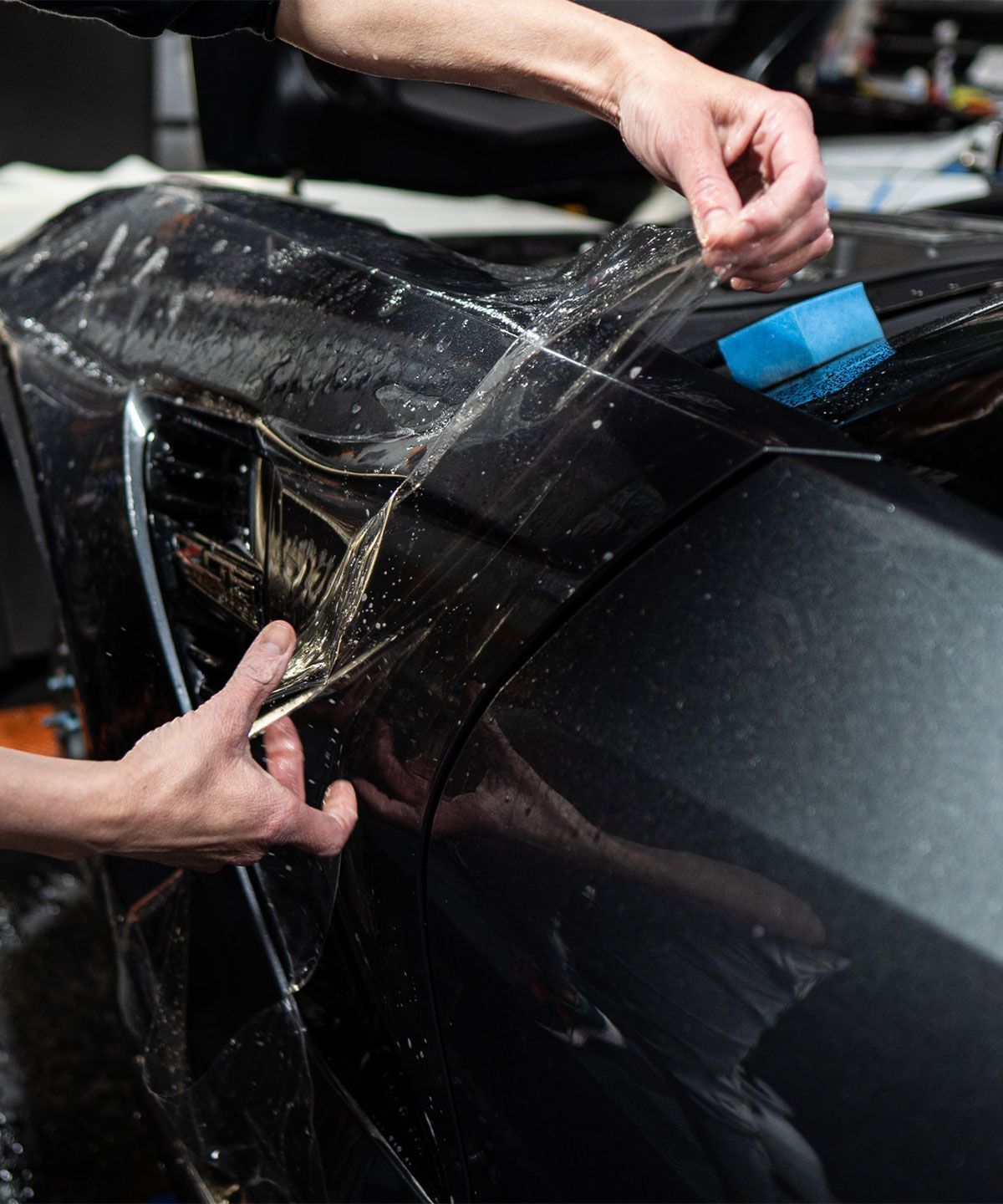
Paint protection film Lake Norman is a thermoplastic urethane material applied directly to painted vehicle surfaces. Installer-grade film is typically six to eight mils thick and uses the same physical barrier principle that the technology was originally developed for: absorbing impact energy before it reaches the surface beneath.
How PPF Works as a Physical Barrier
The urethane layer intercepts rock chips, gravel, road debris, and minor abrasive contacts before they reach the factory clear coat. A stone strike at highway speed on I-77 that would create a visible chip in unprotected paint contacts the film instead, which absorbs and distributes the impact across a wider area. Most impacts leave no visible mark. Those that do mark the film represent damage absorbed by the product rather than damage that reached the paint.
This physical impact absorption is the capability that no liquid product can replicate. For Lake Norman drivers covering the I-77 corridor and Route 115 between communities where commercial truck traffic creates sustained debris exposure, paint protection film is the only product that prevents the chip accumulation that ordinary driving produces at a predictable rate on any unprotected vehicle.
Self-Healing Performance for Lake Norman Daily Use
Installer-grade paint protection film uses urethane topcoat formulations with memory properties that allow light surface scratches to disappear when exposed to heat. North Carolina's warm climate creates consistent self-healing activation conditions during outdoor parking. Afternoon sun pushes film surface temperatures above the activation threshold, allowing the topcoat to return to its original smooth configuration without any intervention.
For Lake Norman vehicle owners who park near the lake, at marina facilities, or in open lots during outdoor events common in these communities, this passive self-repair cycle manages the minor scratch accumulation from daily use without requiring any owner intervention.
What PPF Does Not Do
Paint protection film does not provide chemical resistance against acidic contamination at the level that ceramic coating delivers. The film topcoat resists many contaminants effectively but its primary engineering focus is physical impact absorption. Film also does not enhance the vehicle's gloss or visual depth. Quality installer-grade film maintains the factory finish without changing it, which is appropriate for most applications but does not deliver the appearance enhancement that ceramic coating produces.
What Ceramic Coating Actually Does
Ceramic coating Lake Norman is a liquid silicon dioxide formulation that chemically bonds to the vehicle's clear coat when applied and fully cured. The result is a hard, semi-permanent layer that changes the surface chemistry of the paint in ways that deliver specific and measurable benefits.
How Ceramic Coating Works as a Chemical Layer
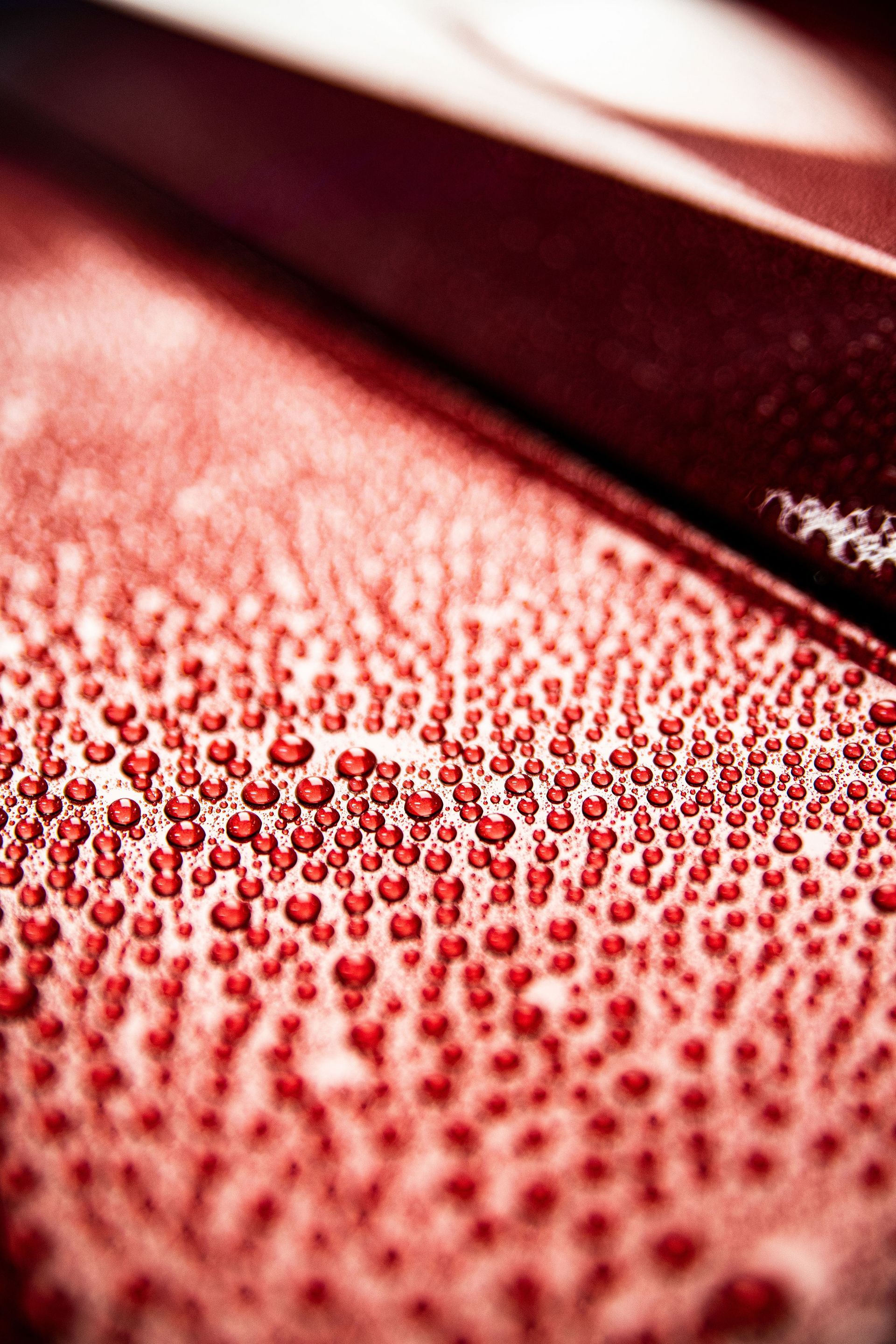
The ceramic layer creates a hydrophobic surface that causes water to bead tightly and roll off rather than spreading and drying to leave mineral deposits. Chemical contamination from bird droppings, tree sap, pollen, and road chemicals has significantly less adhesion to the ceramic surface than to bare or wax-protected clear coat. UV radiation is blocked from reaching the factory paint beneath, preventing the oxidation and color fading that North Carolina's sustained UV season produces on unprotected vehicles.
The gloss enhancement that ceramic coating produces is one of its most immediately visible benefits. The smooth, uniform ceramic layer fills microscopic surface texture in the clear coat and creates a uniformly reflective surface that makes factory paint colors appear more vivid and saturated. On the dark and deep-tone colors common on Lake Norman luxury vehicles, this gloss enhancement produces a visual quality that makes the vehicle look better than it did when new.
What Ceramic Coating Delivers for Lake Norman Vehicles
For the Lake Norman environment specifically, ceramic coating addresses the humidity-driven contamination bonding, the tree sap and pollen deposition from lakeside landscaping, and the reflective UV amplification from water surfaces in ways that make the daily maintenance of a high-value vehicle significantly less demanding. A ceramic-coated vehicle in this environment sheds the organic contamination that would otherwise etch into the clear coat during every parking session under tree coverage. Rain events become partial self-cleaning cycles because the hydrophobic surface sheds water and the loosely attached contamination it carries.
What Ceramic Coating Does Not Do
Ceramic coating does not absorb rock chip impacts. The hardened ceramic layer resists micro-abrasions from washing and minor contact but cannot stop a stone strike at highway speed from penetrating to the clear coat. Lake Norman vehicle owners who install ceramic coating expecting chip protection will experience chips on the front end from Charlotte area highway driving just as they would without the coating. This is the gap that paint protection film specifically fills.
Direct Comparison: PPF vs Ceramic Coating for Lake Norman Drivers
Physical Impact Protection
Paint protection film wins decisively. The urethane film absorbs physical impact energy that no chemical coating can address. For any Lake Norman vehicle driven regularly on I-77 or Route 115 where truck traffic creates sustained debris exposure, film is the essential foundation for front-end protection.
Chemical and Environmental Resistance
Ceramic coating wins. The chemical resistance of the ceramic surface against acidic organic contamination, bird droppings, pollen, and tree sap directly addresses the specific environmental threats that Lake Norman's waterfront and landscaped communities create. Film provides some chemical resistance at the surface level but ceramic coating's engineered chemical barrier outperforms film topcoat in this category.
Appearance and Gloss Enhancement
Ceramic coating wins clearly. The visual depth and gloss enhancement that ceramic coating produces is one of its most valued benefits for Lake Norman luxury vehicle owners. Film maintains the factory finish without enhancement. Ceramic coating makes factory colors visually richer and more saturated across the full vehicle surface.
Maintenance and Washing Ease
Ceramic coating wins. The hydrophobic surface makes every wash faster and more effective. Contamination releases from the slick ceramic surface more easily than from any alternative. For Lake Norman vehicle owners who maintain high appearance standards and wash regularly, the per-wash time and effort reduction that ceramic coating delivers compounds into a meaningful ownership convenience across the full ownership period.
Lifespan and Durability
Installer-grade film has a longer warranted lifespan at the premium tier. Top-tier paint protection film carries ten-year manufacturer warranties. Premium ceramic coatings at the highest tier reach five to seven years. Both dramatically outlast wax and paint sealant alternatives. At mid-tier price points the lifespan advantage narrows but film consistently carries longer coverage periods at equivalent investment levels.
Cost in the Lake Norman and Cornelius Market
Paint protection film front-end coverage packages in the Cornelius and Lake Norman market start from approximately $1,900 for bumper, hood, fenders, mirrors, and headlights. Full body coverage starts from $5,500 depending on vehicle size and complexity. Ceramic coating packages range from entry-level options starting around $700 to premium tier packages starting at $2,300 for cars. Combined installations scheduling both products together reduce total preparation cost compared to two separate bookings.
Which Is Right for Your Specific Vehicle
Luxury European Vehicles BMW Mercedes Porsche Audi
For BMW, Mercedes-Benz, Porsche, and Audi owners in Lake Norman's Cornelius, Davidson, and Mooresville communities, the comprehensive protection case is clear. These vehicles combine high paint correction costs at body shops, owner expectations of showroom appearance, and regular highway exposure on Charlotte area roads that creates chip accumulation. Front-end paint protection film on the bumper, hood, fenders, and mirrors addresses the chip risk that these roads deliver continuously. Ceramic coating over the full vehicle adds chemical resistance, UV blocking, and the gloss enhancement that makes these vehicles look their best and maintains that appearance with less maintenance effort.
High-Value American Performance Vehicles
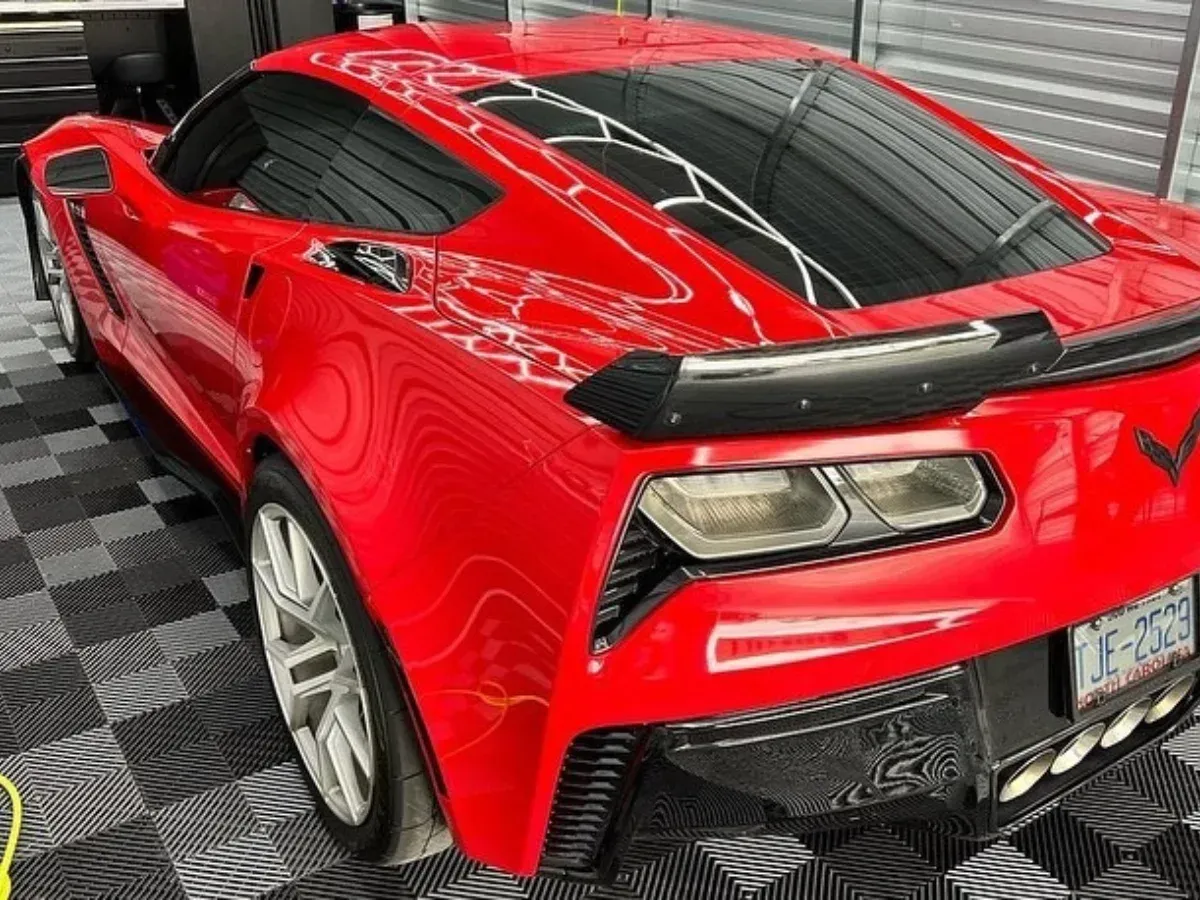
Corvette, Mustang GT500, Camaro ZL1, and similar performance vehicles driven around Lake Norman represent paint values where a single panel repaint at a quality shop costs $600 to $1,000. These vehicles also tend to sit lower than standard sedans, which means road debris strikes the front lower sections at angles and velocities that create more frequent chip damage than on higher-clearance vehicles. Full front coverage paint protection film on these vehicles addresses the most acute protection need. Ceramic coating over the full vehicle maintains the deep paint colors and metallic finishes these vehicles are known for in their best possible condition across the ownership period.
Tesla and EV Owners Around Lake Norman
Tesla Model 3, Model Y, Model S, and Model X ownership is strong in Lake Norman's communities, reflecting both the area's affluence and its technology-forward demographics. Tesla's documented thin factory paint creates a specific case for paint protection film that is stronger than for most other vehicles because the clear coat penetrates to the color coat faster under rock chip impact. Ceramic film on Tesla's glass surfaces must be non-metallic to preserve Autopilot camera function, GPS reception, and all driver assistance technology. Installer-grade ceramic film with non-conductive particle chemistry is the only appropriate choice for Tesla glass in any Lake Norman installation.
Daily Drivers and Family SUVs
Not every Lake Norman vehicle is a luxury or performance car. Many households in these communities run daily driver SUVs alongside their weekend vehicles. For standard daily drivers, the ceramic coating entry-level tier at $700 delivers the broadest protection value across the full vehicle at the most accessible price. Front-end film coverage can be added when budget allows without any conflict with existing ceramic coating on the vehicle.
Why the Best Answer for Lake Norman Vehicles Is Usually Both
How PPF and Ceramic Coating Work Together
The most informed conclusion that Lake Norman vehicle owners reach after understanding what each product does is that the question is not film or ceramic coating but how much of each makes the most sense for the specific vehicle and driving situation. The two products address genuinely different damage categories and produce their strongest combined result when used together on the same vehicle.
Film on the front bumper, hood, fenders, and mirrors absorbs the physical debris impacts that Lake Norman and Charlotte area driving delivers. Ceramic coating over the full vehicle adds chemical resistance, hydrophobic water management, UV blocking, and gloss enhancement to every surface simultaneously. The combination produces a vehicle where the highest-impact zones are physically protected against chips while every panel benefits from chemical and UV protection with reduced maintenance burden across every wash.
The Combined Installation Approach at Champion
Champion Window Tinting installs both paint protection film and ceramic coating at the Cornelius location serving Lake Norman and surrounding communities. Scheduling both products in a single appointment reduces total preparation cost because the paint decontamination, correction assessment, and panel preparation work overlaps between the two scopes. A combined front-end film and full ceramic coating installation addresses the complete range of protection priorities for most Lake Norman vehicles at a total cost that is more efficient than booking each product separately.
Why Champion Window Tinting Serves the Lake Norman Market
Local Experience With Lake Norman's Specific Conditions
Champion Window Tinting has been serving Lake Norman, Cornelius, Mooresville, Davidson, and the wider Charlotte area since 2001. Over twenty-two years of installations across the full range of vehicles owned in these communities produces the specific knowledge of Lake Norman's environmental conditions, the vehicle types common in this market, and the owner expectations that govern quality standards here. This accumulated local experience informs every installation decision from product selection to preparation technique to the coverage priorities appropriate for each specific vehicle.
Certifications and Installation Standards
Champion Window Tinting holds certified installer status for the paint protection film and ceramic coating products installed at the Cornelius shop. Certification requires manufacturer-approved training, use of genuine products through authorised distribution channels, and installation protocols that qualify each job for manufacturer warranty coverage. Every Lake Norman installation is registered with the relevant manufacturer, providing the vehicle owner with documented warranty coverage that confirms the product, warranty terms, and installation date.
Champion's 440-plus five-star Google reviews reflect the consistent quality standard that Lake Norman and Charlotte area vehicle owners have experienced across more than two decades of service. Every installation is backed by written documentation of the product, warranty terms, and coverage scope before any work begins.
Common Myths About PPF and Ceramic Coating
Ceramic coating makes paint scratch-proof.
Ceramic coating resists the micro-abrasions that cause swirl marks during washing. It does not prevent rock chips or deep physical scratches from highway debris. Lake Norman drivers who install ceramic coating expecting complete scratch immunity will encounter chips on front panels from Charlotte area highway driving that the coating cannot stop.
Paint protection film eliminates the need for ceramic coating.
Film on high-impact zones leaves every other panel without chemical protection, UV blocking, or hydrophobic maintenance benefits. A Lake Norman vehicle with front-end film and no ceramic coating continues accumulating UV oxidation, bird dropping etching, and pollen contamination on every unprotected panel throughout the ownership period.
Consumer spray products deliver comparable results.
Consumer ceramic spray products use diluted formulations that provide weeks to months of performance. Installer-grade ceramic coating bonds at the molecular level and delivers warranted multi-year performance that consumer alternatives cannot replicate at any price point. The performance gap between consumer and installer-grade ceramic is immediately apparent within the first year of real-world use.
New vehicles do not need protection because the paint is already perfect.
New vehicles often arrive with dealer prep wash swirl marks introduced before delivery. Installing protection within the first month of ownership prevents the chip and contamination accumulation that begins immediately once the vehicle is driven. Every month of unprotected driving on Lake Norman area roads accumulates damage that either requires correction before protection is applied or gets locked in permanently beneath the coating.
Conclusion
The choice between ceramic coating and paint protection film for Lake Norman, NC vehicles depends on the specific damage category the owner most needs to address. Film delivers physical impact protection that no liquid product can replicate, which makes it essential for any Lake Norman vehicle driven regularly on I-77 and Route 115 where highway debris creates chip accumulation. Ceramic coating delivers chemical resistance, UV blocking, hydrophobic maintenance ease, and gloss enhancement across the full vehicle surface, which directly addresses the waterfront humidity, organic contamination, and reflective UV conditions that Lake Norman's environment creates.
For most Lake Norman vehicle owners, the strongest protection outcome combines front-end or full-body film with ceramic coating over the complete vehicle in a single scheduled installation. Champion Window Tinting provides both products at the Cornelius shop serving Lake Norman, Davidson, Mooresville, and the wider Charlotte area with certified installation, manufacturer warranty registration, and the local market expertise that twenty-two years of serving this specific community produces.
Protect Your Lake Norman Vehicle With the Right Product Combination.
Understanding which product or combination is right for your specific vehicle starts with an honest conversation about how you drive, where you park, and what protection priority matters most. Champion Window Tinting at 10415 Bailey Rd, Cornelius, NC provides written quotes covering product specification, coverage scope, and warranty terms for every Lake Norman vehicle before any commitment is made. Call (704) 275-2002 or schedule online to discuss your vehicle and find out which protection approach delivers the best results for your ownership situation.
Frequently Asked Questions
1. How much does ceramic coating cost for a vehicle in the Lake Norman area?
Ceramic coating packages at Champion Window Tinting in Cornelius start at $700 for entry-level coverage on a standard car and reach $2,300 for the premium Max tier. SUVs and trucks run higher than standard car pricing at every tier. A written quote after a site assessment provides accurate pricing for the specific vehicle make, model, and year before any commitment is made.
2. Is paint protection film worth it for a vehicle driven around Lake Norman?
Yes for any vehicle driven regularly on I-77, Route 115, or other Charlotte area roads with commercial truck traffic. Front-end chip accumulation on unprotected vehicles is predictable and visible within the first year of daily highway driving. Front-end coverage starting at $1,900 prevents this accumulation by placing a physical urethane barrier between highway debris and the factory paint on the bumper, hood, fenders, and headlights where chips appear fastest.
3. Can paint protection film and ceramic coating be installed together in Cornelius, NC?
Yes. Champion Window Tinting installs both products in a single scheduled appointment at the Cornelius location. The preparation work overlaps between the two scopes, which makes the combined installation more cost-effective than booking each product separately. The correct sequence is paint protection film first on high-impact zones followed by ceramic coating over the complete vehicle including on top of the film where both products overlap.
4. How long does paint protection film last on a Lake Norman vehicle?
Installer-grade paint protection film carries a ten-year manufacturer warranty against yellowing, bubbling, and delamination when installed by a certified installer following manufacturer protocols. Real-world lifespan in North Carolina's climate consistently reaches the warranted period for quality installations because installer-grade urethane chemistry is UV-stable and maintains its protective function through sustained high-UV exposure and the humidity conditions that Lake Norman's waterfront environment creates year-round.
5. Does ceramic coating protect against the environmental conditions near Lake Norman?
Yes, and the Lake Norman environment is one of the contexts where ceramic coating's chemical resistance and hydrophobic properties deliver their strongest daily-use value. The humidity-driven contamination bonding, tree sap and pollen deposition from lakeside landscaping, bird droppings at marina and waterfront parking areas, and the reflective UV amplification from the water surface all create contamination and UV threats that ceramic coating's chemical layer directly addresses. The hydrophobic surface sheds water and loosely attached contamination with every rain event, which reduces the accumulation between washes that would otherwise etch into unprotected clear coat over time.
Articles from the Champion Window Tinting Blog
Champion Window Tinting Services