Does Ceramic Coating Protect Your Car From North Carolina's Hot, Humid Summers?
SCHEDULE ONLINEAsk any Lake Norman driver what summer does to their vehicle and you will hear the same answer. Paint loses its shine. Rain spots etch into the clear coat before you can wash them off. Tree sap sits on the hood for an hour and leaves a permanent mark. Bird droppings in the Walmart parking lot turn into burn marks by the time you get back to your car. North Carolina summers are genuinely harder on paint than most drivers realize, and the combination of heat, humidity, UV exposure, and chemical contamination works against unprotected finishes every single day from May through September.
This is exactly where ceramic coating enters the conversation. Does it actually protect your car from North Carolina summer conditions? The honest answer is yes, significantly, but the details matter. Ceramic coating is not a magic shield, and understanding what it does well versus what it cannot do is the difference between a satisfied customer and a frustrated one. This guide walks through exactly how ceramic coating handles North Carolina's specific climate challenges, what you can realistically expect from a professional installation, and what separates a coating that performs for years from one that disappoints within months. Champion Window Tinting has been helping Cornelius and Lake Norman area drivers make these decisions since 2001.
Why North Carolina Summers Are Uniquely Tough on Vehicle Paint
North Carolina summers are not the hottest in the country, but they may be the most demanding on automotive finishes. The combination of direct sun, persistent humidity, regular thunderstorms, and heavy pollen and debris creates a climate that chips away at paint in ways drivers rarely connect to the weather until the damage is already visible.
Heat and Humidity Working Together Against Your Paint
Heat alone is hard on vehicle paint. Humidity alone is hard on vehicle paint. The combination multiplies the damage beyond what either one does individually. Humid conditions trap contaminants against the paint surface for longer, which gives bird droppings, tree sap, and industrial fallout more time to etch into the clear coat. Humidity also slows the evaporation of rainwater, which means every summer thunderstorm leaves behind residue that dries onto the finish if not washed off promptly. Dry heat damages paint through oxidation. Wet heat damages paint through chemical etching and water spotting. North Carolina delivers wet heat for most of the summer.
The Daily Threats That Accumulate Through Summer
Every day of a Cornelius summer brings several distinct threats to your paint. UV radiation breaks down clear coat at a molecular level, causing fading and oxidation. Acidic rain and pollen settle on the surface constantly during pollen season and summer storms. Bird droppings, tree sap, and love bugs contain chemicals that etch permanent marks into paint within hours during hot weather. Lake-reflected sun around Lake Norman intensifies UV exposure on any vehicle parked near the water. Alone, each threat is manageable. Together, they deliver hundreds of small attacks on your paint every summer day.
What Ceramic Coating Actually Is
Ceramic coating is a liquid polymer that chemically bonds to your vehicle's clear coat. Once cured, it forms a hard, hydrophobic surface layer that repels water, dirt, and chemical contamination while enhancing the gloss of the paint beneath it. Unlike wax, which sits on top of the paint and washes off within weeks, ceramic coating creates a semi-permanent bond measured in years.
The Chemistry Behind the Bond
Professional ceramic coating is built from silicon dioxide (SiO2) and related nanoceramic compounds. When applied to a clean, properly prepped paint surface, the liquid coating cures into a hard glass-like layer that fills microscopic imperfections in the clear coat and bonds at a molecular level. That bond is what gives ceramic coating its durability and resistance to washing, chemicals, and UV exposure. Cheap consumer-grade products use weaker formulations with lower silica content, which is why they bond less completely and fail much faster than professional-grade coatings.
How Ceramic Coating Differs From Wax and Sealants
Wax and paint sealants sit on the surface of your clear coat rather than bonding to it. They add short-term gloss and water beading but wash off within weeks or months. Ceramic coating creates an actual chemical bond, which is why it lasts years instead of weeks. Another key difference is hardness. Professional ceramic coatings measure between 7H and 9H on the pencil hardness scale, which is significantly harder than any wax or sealant on the market. That hardness translates to real-world protection against minor scratches, bug splatter, and chemical contamination that wax simply cannot resist.
For ceramic coating in Cornelius, NC specifically, the chemistry matters because the constant battle between humidity, heat, and chemical contamination demands a bonded protective layer rather than a topical one that rinses off with the first hard rain.
How Ceramic Coating Handles Heat and Humidity Specifically
This is where the answer to the original question gets interesting. Ceramic coating performs genuinely well against North Carolina summer conditions, but different features of the coating handle different parts of the climate challenge.
Heat Resistance Built Into the Molecular Structure
Ceramic coatings Cornelius, NC are engineered to withstand extreme temperatures without breaking down. The silica-based chemistry remains stable at temperatures well above anything your vehicle will ever experience in natural driving conditions, including a parked car baking in direct Cornelius sunlight. The coating does not soften, melt, or peel under heat. It stays bonded and continues performing through every temperature cycle of the summer. That thermal stability is one of the main reasons car ceramic coating became the standard for drivers in hot climates before it became popular in more moderate regions.
Hydrophobic Surface Tension in Humid Conditions
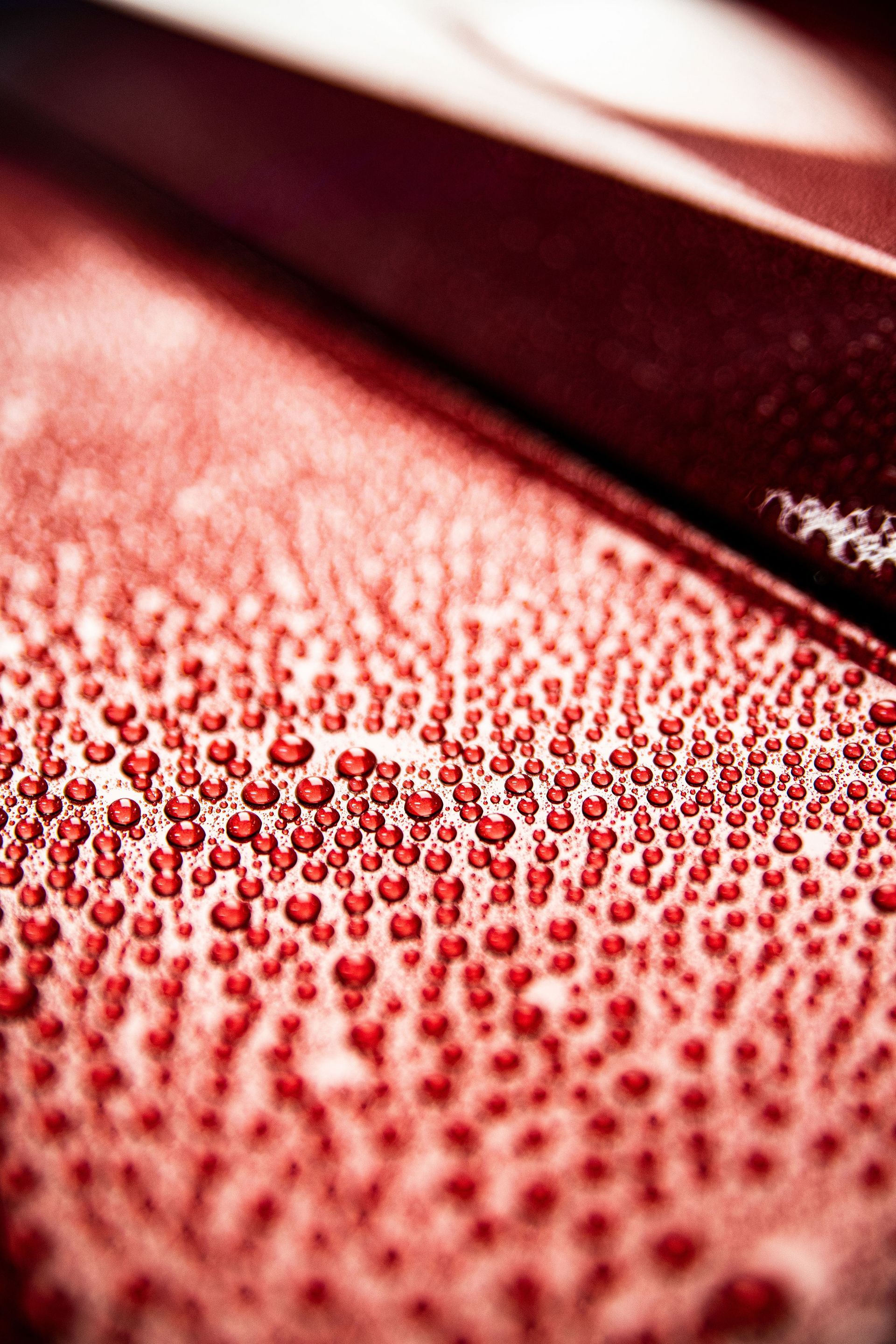
The hydrophobic properties of auto ceramic coating are particularly valuable in humid climates. When water hits a ceramic-coated surface, it beads up into tight droplets and rolls off rather than spreading into a thin film that evaporates and leaves contamination behind. In a humid environment where rain, dew, and condensation are constant, this property matters enormously. Every morning's dew rolls off the paint instead of sitting on the surface until midday. Every thunderstorm's water carries contamination away rather than depositing it.
Why Water Beading Matters More Than It Looks
Most drivers see hydrophobic water beading as cosmetic. In North Carolina's climate, it is genuinely functional protection. Water that sits on the paint picks up airborne contamination, dissolves it, and then deposits it onto the surface when it evaporates. That process is how water spots form, and repeated water spotting eventually etches into the clear coat. A hydrophobic ceramic surface prevents this cycle by making sure water does not sit on the paint long enough to cause problems.
UV Protection During Long Summer Days
Ceramic coating adds a layer of UV protection on top of your factory clear coat. The coating itself does not block UV the way window tint does, but it provides additional UV resistance that slows the oxidation and fading process. For Lake Norman drivers parked in direct sun for hours at a time during summer commutes and weekend boat trips, this added UV resistance extends the cosmetic life of the factory paint by years.
What Ceramic Coating Does NOT Protect Against
Honest conversation about ceramic coating requires addressing the limits. The product performs genuinely well within its scope, but that scope is not unlimited.
The Limits of Chemical Protection
Ceramic coating is not scratch-proof. It adds a hard protective layer that resists minor swirl marks, light scratches from wash mitts, and surface contamination. Deeper scratches from keys, rocks, or significant impacts will still damage the paint beneath the coating. Ceramic coating also does not prevent rock chips on the front of the vehicle. For that kind of impact protection, Paint Protection Film is the right product.
When PPF Becomes a Better Answer
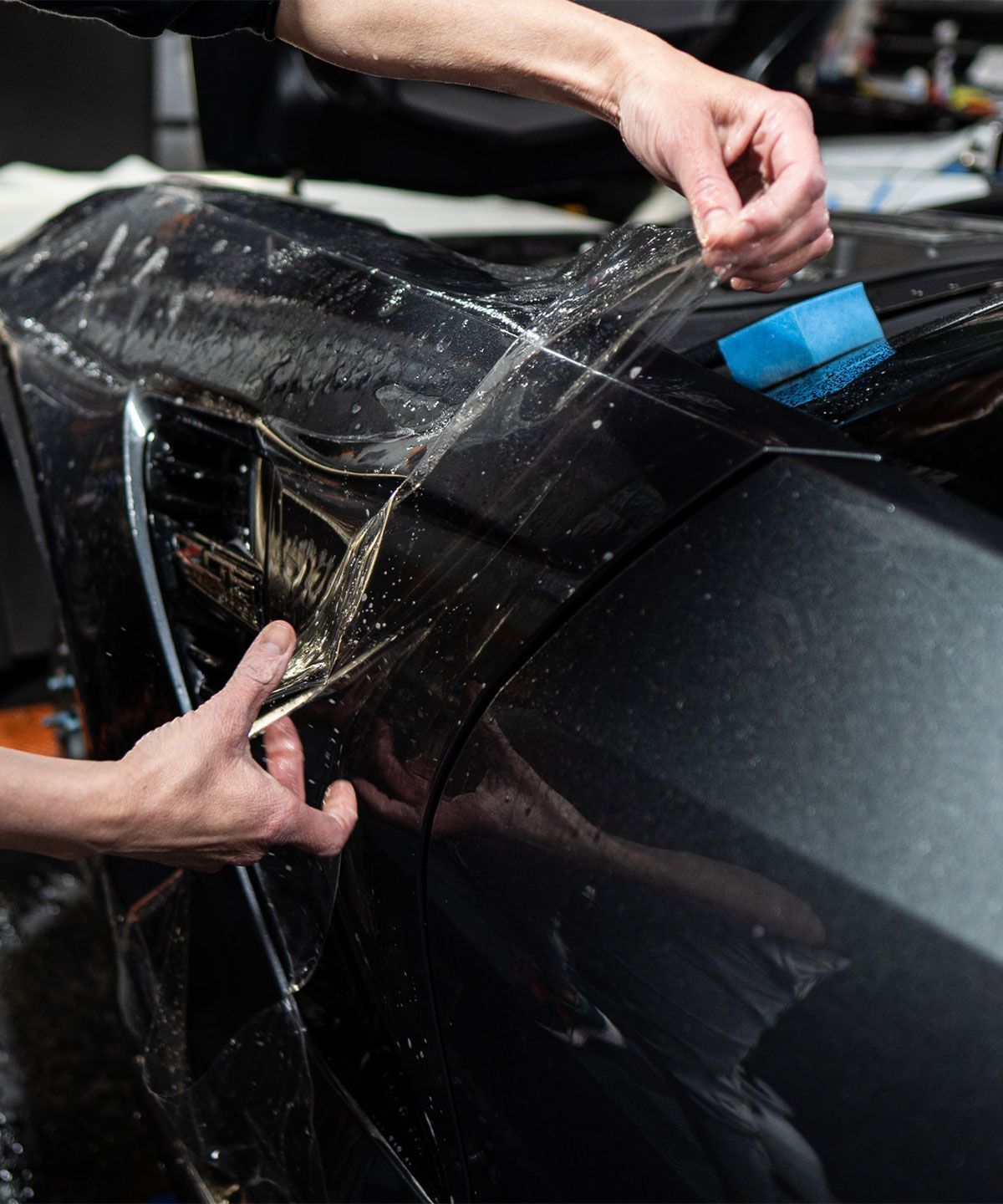
For drivers worried about rock chips from I-77, highway debris on the drive to Charlotte, or sand and gravel damage to the front bumper and hood, Paint Protection Film handles what ceramic coating cannot. Many Champion Window Tinting customers end up with both products. PPF on the front of the vehicle to absorb physical impacts, ceramic coating over the entire vehicle including on top of the PPF to handle chemistry, UV, and hydrophobic protection. That combination delivers genuinely comprehensive protection against everything North Carolina summers can deliver.
How Long Does Ceramic Coating Last in North Carolina Summers
The lifespan of ceramic coating varies significantly based on product quality, installation technique, and maintenance habits. Understanding realistic expectations prevents disappointment.
Professional vs Consumer-Grade Coatings
Consumer-grade ceramic coating products sold in retail stores and online marketplaces typically claim lifespans of six months to two years. In practice, especially in humid climates like North Carolina, most fail within that lower range. Professional-grade coatings applied by certified installers in controlled environments last significantly longer. Entry-level professional coatings typically last two to three years. Mid-tier professional coatings last four to five years. Top-tier professional coatings can last seven to ten years with proper maintenance.
Real-World Lifespan With Proper Maintenance
For Cornelius-area drivers with professional ceramic coating and good maintenance habits, five to seven years of strong performance is a realistic expectation. Coatings will continue to provide some protection after that window, but the hydrophobic beading and gloss enhancement start to fade. At that point, removing and reapplying fresh coating restores the full benefits. Professional ceramic coating in Cornelius, NC delivers its strongest performance during the first three to five years, which is why proper installation and care during that period matters so much.
Maintenance Habits That Extend Ceramic Coating Life
Ceramic coating is genuinely low maintenance compared to traditional wax, but it is not zero maintenance. A few simple habits keep the coating performing at its best through multiple summers.
Washing Methods That Work Best in Humid Climates
Hand washing with a pH-neutral automotive shampoo remains the gold standard. Two-bucket methods and soft microfiber mitts protect the coating surface from introducing fresh scratches that could compromise the hydrophobic layer. Automatic car washes with stiff brushes are genuinely destructive to ceramic coating over time. Touchless washes are safer but can still push harsh cleaning chemicals against the coating edges with repeated use.
In North Carolina specifically, washing frequency matters more than in drier climates. Pollen season, heavy storms, and summer love bugs all deposit contaminants that benefit from prompt removal even with ceramic protection in place. Many Lake Norman drivers settle into a biweekly or weekly wash routine during summer months to keep the coating working at its best.
Periodic Maintenance Boosters and Top-Ups
Most professional ceramic coating products benefit from periodic maintenance boosters or top-up sprays that refresh the hydrophobic layer and add a supplemental layer of protection. These products are applied during a regular wash every three to six months and take only a few additional minutes. Champion Window Tinting provides guidance on which maintenance products work best with the specific coating installed on each vehicle, because matching the booster to the base coating makes a meaningful difference in long-term performance.
What to Expect From Professional Ceramic Coating Installation
Installation quality determines whether a ceramic coating actually delivers the performance claims on the label. A premium coating applied poorly performs worse than a mid-grade coating applied well, which is why installer selection matters as much as product selection.
Professional installation starts with thorough paint decontamination and often light paint correction. This step matters because ceramic coating locks in the condition of the paint underneath. You never want to seal swirl marks, water spots, or bonded contaminants beneath a coating that will stay in place for years. After decontamination and correction, the paint is cleaned with a dedicated surface prep solvent that removes any oils or residues that could interfere with bonding. Only then does the coating itself get applied, typically panel by panel, with careful leveling and buffing at precise flash times that vary by product.
The entire installation happens in a climate-controlled environment because humidity and temperature during application affect cure quality. This is one of the main reasons professional ceramic coating outperforms DIY applications so dramatically. Most garages and driveways cannot match the environmental control of a purpose-built installation bay. Champion Window Tinting operates this kind of controlled installation environment precisely because it is what separates ceramic coating that performs for years from ceramic coating that disappoints within months.
Common Misconceptions About Ceramic Coating and Summer Heat
Several ideas about ceramic coating circulate among Lake Norman drivers, and most of them are either outdated or incomplete.
Ceramic coating makes my car immune to everything. Absolutely not. Ceramic coating protects against chemical contamination, hydrophobic water management, minor scratches, and UV damage. It does not prevent rock chips, deep scratches, or significant impacts. Understanding the scope prevents frustration.
Ceramic coating means I never have to wash my car. Incorrect. Ceramic coating makes washing dramatically easier and less frequent, but regular cleaning remains important. Contaminants that sit on the coating long enough can still cause damage, and in a humid climate like North Carolina's, consistent cleaning matters more than in drier regions.
All ceramic coatings are basically the same. Completely false. The difference between a consumer-grade $50 bottle and a professional-grade $800 installation is enormous in terms of durability, gloss depth, hydrophobic performance, and UV resistance. Price differences reflect real chemistry differences.
Heat damages ceramic coating faster. The opposite is actually true in moderate amounts. Ceramic coating cures better in warm conditions, and its thermal stability is engineered for exactly the kind of sustained summer heat North Carolina delivers.
Ceramic coating is only for expensive cars. Untrue and common. Drivers of daily commuters, family vehicles, and work trucks benefit just as much as luxury car owners, often more because these vehicles spend more time outdoors and accumulate more cumulative damage without protection.
Conclusion
Does ceramic coating protect your car from North Carolina's hot, humid summers? Yes, genuinely and significantly. Professional-grade ceramic coating handles heat with thermal stability, manages humidity through hydrophobic water beading, provides supplemental UV protection during long summer days, and resists the chemical contamination that damages unprotected paint throughout the season. The protection is real, measurable, and lasting.
What ceramic coating does not do is less often discussed but equally important. It will not stop rock chips, deep scratches, or major impacts. It is not a replacement for Paint Protection Film in the areas of your vehicle that take physical abuse. And it requires basic maintenance to keep performing at its best over a lifespan measured in years. For drivers across Cornelius, Mooresville, Davidson, Huntersville, and the broader Lake Norman area, Champion Window Tinting has spent over two decades helping customers choose the right ceramic coating product and installation approach for North Carolina's specific climate demands. Quality ceramic coating is not a luxury add-on. It is a practical, performance-backed investment in preserving the condition, appearance, and value of any vehicle driving through Carolina summers.
Ready to See What Ceramic Coating Can Actually Do for Your Vehicle?
The hot, humid months ahead will hit every unprotected vehicle hard. Champion Window Tinting in Cornelius, NC walks drivers through ceramic coating options, realistic performance expectations, and what works best for your specific vehicle and driving conditions. Stop by the shop to see gloss samples in person, compare coating tiers, and get a written quote that explains exactly what comes with each option. Twenty-four years of Lake Norman experience means straight answers and installations that actually hold up through North Carolina summers.
Frequently Asked Questions
1. How soon after buying a new car should I apply ceramic coating?
As early as possible, ideally within the first few weeks of ownership while the paint is still in factory condition. Applying coating on fresh paint locks in the best possible starting appearance for the entire duration the coating stays on the vehicle. Waiting months or years often means light paint correction becomes necessary before installation to remove the swirl marks and contamination that would otherwise get sealed under the coating.
2. Can ceramic coating be applied over an existing wax or sealant?
No. All existing wax, sealant, and polish residue must be completely removed from the paint surface before ceramic coating application. These products interfere with the coating's ability to bond chemically to the clear coat. Professional installers always include a dedicated prep step that strips the paint of any previous protection before applying the coating.
3. Does ceramic coating help against love bugs and pollen in North Carolina?
Yes, significantly. The hydrophobic surface makes it harder for love bug residue and pollen to bond to the paint, and it makes both contaminants much easier to wash off before they have a chance to etch. During peak pollen and love bug season, ceramic-coated vehicles can usually be cleaned with a simple rinse rather than the scrubbing that unprotected paint requires.
4. What happens when ceramic coating eventually reaches the end of its life?
When ceramic coating starts losing its hydrophobic properties and gloss enhancement, it can be removed and reapplied by a professional. The removal process is straightforward and does not damage the paint beneath. Many drivers renew their ceramic coating every four to six years to maintain peak performance, which still ends up being dramatically less maintenance than traditional waxing.
5. Is ceramic coating worth it for a used car that already has paint imperfections?
It depends on the severity of the imperfections. Light swirl marks and minor fading can usually be corrected through professional paint correction before the coating is applied, which produces excellent results. Deeper scratches, oxidation that has penetrated the clear coat, or significant paint damage may need repair or repainting before ceramic coating makes sense. A professional installer can assess the paint during a consultation and recommend the right approach based on the actual condition of the vehicle.
Articles from the Champion Window Tinting Blog
Champion Window Tinting Services