The answer is yes, and the supporting numbers are more specific to North Carolina's climate and driving conditions than most generic window tinting guides acknowledge. A ceramic window tint installation that costs $425 for a full vehicle surround delivers measurable returns across heat rejection, UV protection, air conditioning efficiency, interior preservation, and glare reduction that compound across every day of ownership. The question is not whether window tinting is worth it in general. The question is whether the specific numbers make sense for a North Carolina driver who spends seven months a year managing intense UV, high summer heat, and the interior fading conditions that the Charlotte area's climate creates continuously.
This guide delivers the actual numbers. Ceramic film specifications, real pricing from Champion Window Tinting in Cornelius, NC, five-year cost comparisons between tinted and untinted ownership, and the specific North Carolina climate factors that make the return on this investment stronger here than in milder markets.
The Short Answer: Yes, and the Numbers Are Specific to North Carolina
Window tinting in Cornelius, NC delivers genuine, quantifiable value across multiple categories that compound across the ownership period. The investment pays back faster and more completely in North Carolina than in moderate climates because the conditions that ceramic film specifically addresses are present at high intensity here for more months of the year than in most other states.
Why North Carolina Makes the Case Stronger Than Most States
North Carolina's UV season runs from March through October with UV index values regularly reaching 8 to 10 during peak summer months in the Charlotte metro area. This seven-month high-UV exposure creates interior fading, dashboard cracking, leather drying, and upholstery color shift at a rate that drivers in cooler or cloudier markets simply do not experience at the same intensity.
Summer temperatures in the Charlotte area push parked vehicle cabin temperatures above 130 degrees on peak July and August afternoons when vehicles park outdoors during workday hours. This heat accumulation degrades every interior component exposed to it and creates a cabin environment that requires sustained air conditioning work on every return from parking. The ceramic film that addresses these conditions most effectively produces returns that are immediately felt rather than abstract.
What Window Tinting Actually Costs in Cornelius, NC
Understanding the investment requires knowing the actual numbers before the return analysis is meaningful.
Ceramic Tint Pricing by Package
Champion Window Tinting offers three ceramic film tiers in Cornelius, NC at the following price points. All figures represent the specific packages available at the shop.
Ceramic Tint is the entry-level installer-grade ceramic film, blocking up to 70 percent of solar heat and 99 percent of UV radiation. Front two-window match starts at $200. Full windshield installation starts at $250. Full vehicle surround starts at $425.
Ceramic Plus Tint is the top-selling tier, rejecting up to 85 percent of infrared heat with crystal-clear visibility day and night and a lifetime warranty included. Front two-window match starts at $225. Full vehicle surround pricing reflects the enhanced specifications of this mid-tier product.
Ceramic Max Tint is the premium tier using advanced nano-ceramic technology to reject up to 98 percent of solar heat while maintaining optical clarity. Front two-window match starts at $250. Full vehicle packages start at $625, delivering the maximum heat rejection available at any price point in the ceramic tint category.
What Drives the Final Price Up or Down
Several variables move the final project cost within and beyond these ranges. Vehicle size directly affects film usage and installation time, with larger SUVs and trucks running higher than standard sedans at equivalent coverage levels. The number of windows included determines total coverage cost. Pre-cut computer patterns for specific vehicle makes and models ensure precise fit but add preparation time that is reflected in the final quote. A written itemised quote from Champion Window Tinting in Cornelius provides accurate pricing for any specific vehicle before any commitment is made.
The Numbers That Justify the Investment
The title promised numbers. Here they are, broken down by the specific return categories that make ceramic window tinting a genuine financial investment rather than an aesthetic upgrade.
Heat Rejection: What 98 Percent Actually Means for Your Cabin
Ceramic Max film's 98 percent solar heat rejection translates into a parked cabin temperature reduction of 30 to 40 degrees Fahrenheit compared to an identical unprotected vehicle under the same Charlotte area summer conditions. A cabin that reaches 135 degrees without tint reaches approximately 95 to 105 degrees with Ceramic Max coverage.
The entry-level Ceramic tier's 70 percent heat rejection produces a cabin temperature reduction of 15 to 20 degrees under the same conditions. The Ceramic Plus tier at 85 percent rejection produces a reduction of 20 to 30 degrees. Each tier delivers a meaningfully different daily experience on every summer return to a parked vehicle in North Carolina, and the difference between a 95-degree cabin and a 135-degree cabin is not marginal. It changes whether re-entry is manageable or brutal on every hot day from May through September.
UV Protection: What 99 Percent Blocking Delivers Over Time
All three ceramic tiers block 99 percent of UV radiation regardless of the VLT percentage chosen. This means a legal 35 percent VLT ceramic film delivers the same UV blocking as a 5 percent VLT film because UV protection comes from the ceramic particle chemistry rather than the visible darkness level.
North Carolina's seven-month UV season from March through October delivers a UV load that is more sustained than most northern markets produce. Dashboard materials on vehicles parked outdoors through this annual UV cycle without film protection show measurable fading and surface degradation within two to three years. Leather seats in direct sun exposure through untinted glass dry and crack faster in the Charlotte area's climate than in moderate northern markets. The 99 percent UV blocking that every ceramic tier delivers converts this predictable damage accumulation into a non-issue across the full ownership period.
Air Conditioning Efficiency and Fuel Savings
Cabin heat load directly affects how hard the air conditioning system works on every summer drive. A vehicle with Ceramic Max tint that re-enters at 100 degrees rather than 135 degrees requires significantly less air conditioning work to reach a comfortable cabin temperature in the first minutes of driving. This reduced AC demand translates into measurable fuel efficiency improvement during summer driving.
Conservative estimates from the automotive industry consistently place fuel savings from reduced air conditioning demand at two to five percent during peak summer months for vehicles with quality heat-rejecting window film. For a Charlotte area daily commuter covering 15,000 miles annually with significant summer driving, this translates to a modest but real annual savings that contributes to the return on investment calculation across the ownership period.
Interior Preservation: What UV Damage Actually Costs to Fix
The cost of replacing UV-damaged interior components provides the most concrete financial comparison for the value of UV protection. Dashboard replacement for a mid-range sedan runs $800 to $2,000 depending on the vehicle. Leather seat reconditioning for UV-dried front seats runs $300 to $600. Full interior detailing to address fading and oxidation of plastic and vinyl surfaces runs $200 to $400 at a quality detail shop in the Cornelius and Charlotte area.
These are the costs that accumulate on unprotected vehicles driven through multiple North Carolina UV seasons. A $425 full vehicle ceramic tint installation that prevents these deterioration events across a five-year ownership period delivers a return that consistently exceeds the original investment through prevented repair and reconditioning costs alone.
The Five-Year Value Calculation for North Carolina Drivers
Running an honest five-year comparison between tinted and untinted ownership in the Cornelius and Charlotte area market makes the investment case concrete.
What Unprotected Ownership Costs Over Five Years
A vehicle driven in North Carolina without window tint over a five-year ownership period accumulates the following predictable costs from UV and heat exposure. Interior UV fading that reaches the level requiring professional correction or component replacement runs $500 to $2,000 depending on the severity and the components affected. Air conditioning system strain from sustained high cabin heat load contributes to AC component wear that accelerates compressor and refrigerant service requirements, with a single AC recharge running $150 to $300 and compressor service running $600 to $1,200 at a qualified mechanic. Annual summer detailing to manage the appearance degradation that UV and heat produce on interior surfaces runs $200 to $400 per visit, totaling $1,000 to $2,000 across five years for drivers who maintain their vehicle's appearance.
The total preventable cost exposure across five years of unprotected North Carolina ownership runs from $1,500 to $5,200 for a typical daily driver parked outdoors through seven months of high-UV exposure every year.
What Ceramic Tint Costs Over the Same Period
A Ceramic Plus full vehicle installation from Champion Window Tinting in Cornelius at current pricing runs in the mid-range of the package structure. The Ceramic Max full vehicle installation starts at $625. Either installation is a single, one-time cost for the full five-year period because installer-grade ceramic film carries a lifetime warranty against bubbling, peeling, and color change. No annual renewal. No replacement cycle within the five-year comparison window. The full cost of five years of ceramic tint protection is the installation price paid on day one.
How the Investment Pays Back
The five-year comparison produces a straightforward outcome. A $625 Ceramic Max installation that prevents $1,500 to $5,200 in interior damage, detailing costs, and AC system strain across the same period returns its investment multiple times over across a typical ownership period. The break-even point for the investment calculation, where prevented costs exceed the installation price, arrives within the first one to two years for most North Carolina daily drivers who park outdoors during workday hours.
Beyond the quantifiable financial return, the daily quality of life improvement from a cooler cabin on every summer return to a parked vehicle, reduced eye fatigue from glare elimination during Charlotte area rush hour driving, and the maintained interior appearance across the ownership period are genuine ownership benefits that the financial comparison does not fully capture.
What North Carolina Law Requires Before You Book
VLT Requirements by Window Position
North Carolina's window tint law establishes specific VLT minimums that every installation must meet. Front side windows must allow more than 35 percent of visible light through on all vehicle types without exception. The windshield permits non-reflective tint only on the top five inches. Reflective or mirrored film and red or amber film are prohibited on all windows regardless of VLT percentage.
Vehicle Type Differences That Affect Your Options
North Carolina's VLT rules differ between passenger sedans and multipurpose vehicles in a way that significantly affects rear window options. For standard passenger sedans and coupes, all non-windshield windows including rear side windows and the rear windshield must meet the 35 percent minimum VLT. For multipurpose vehicles including SUVs, vans, trucks, and minivans equipped with outside mirrors on both sides, rear side windows and the rear windshield can be tinted to any darkness level. This distinction means North Carolina SUV and truck owners can legally run very dark rear glass while maintaining legal front side windows at the 35 percent threshold.
Combined VLT and Why It Matters
The combined VLT measurement including the factory glass filtering built into every vehicle's windows is what North Carolina law enforcement measures at traffic stops and what inspection stations test during annual vehicle inspections. A ceramic film rated at 35 percent VLT applied to factory glass that already filters 8 percent of light produces a combined measurement of approximately 27 percent, falling below North Carolina's legal threshold. Champion Window Tinting confirms combined VLT on every installation in Cornelius to ensure compliance before the vehicle leaves the shop.
Ceramic Tint vs Dyed Film: Why the Film Type Determines the Return
Why Dyed Film Fails the ROI Calculation in North Carolina
The return on investment calculation described above applies specifically to installer-grade ceramic film. Dyed film, which many budget operations use while describing their service as window tinting, fails the ROI calculation for North Carolina drivers for two specific reasons.
Dyed film's heat rejection mechanism relies on absorption rather than blocking. The film absorbs solar energy and re-radiates a portion back into the cabin, which limits the cabin temperature reduction it produces and accelerates the adhesive degradation that causes bubbling and premature failure. In North Carolina's high-UV season, the organic dye chemistry in dyed film begins photodegrading within the first one to two years, producing the purple discoloration that signals complete product failure.
A dyed film installation that fails within eighteen months and requires removal and reinstallation never produces the five-year return that the calculation above describes. The total cost of two dyed film installation cycles over five years exceeds the cost of a single ceramic installation while delivering inferior performance throughout.
Why Ceramic Film Delivers the Numbers
Installer-grade ceramic film's UV-stable particle chemistry does not photodegrade under North Carolina's UV exposure. The 98 percent heat rejection of Ceramic Max comes from blocking infrared radiation rather than absorbing it, which means no re-radiation penalty and no thermal degradation of the film chemistry. The lifetime warranty that accompanies Ceramic Plus and the durability of every ceramic tier reflects this genuine product stability under sustained high-UV conditions. The five-year return on investment calculation only holds when the film installed is the type that actually lasts five years in North Carolina's climate.
DIY vs Certified Installation: Where the Value Is Actually Made or Lost
What DIY Tinting Actually Produces
Consumer DIY tint kits use significantly diluted film formulations that provide weeks to months of performance rather than the years that installer-grade ceramic delivers. The installation process without professional-grade squeegees, heat guns, and cutting patterns produces bubbles, wrinkles, and uneven edges that are permanent once the adhesive cures. A DIY installation that produces visible defects and fails within the first North Carolina summer does not deliver any of the returns described above. The money saved on installation is lost on removal and certified reinstallation when the DIY result fails.
What Certified Installation Delivers
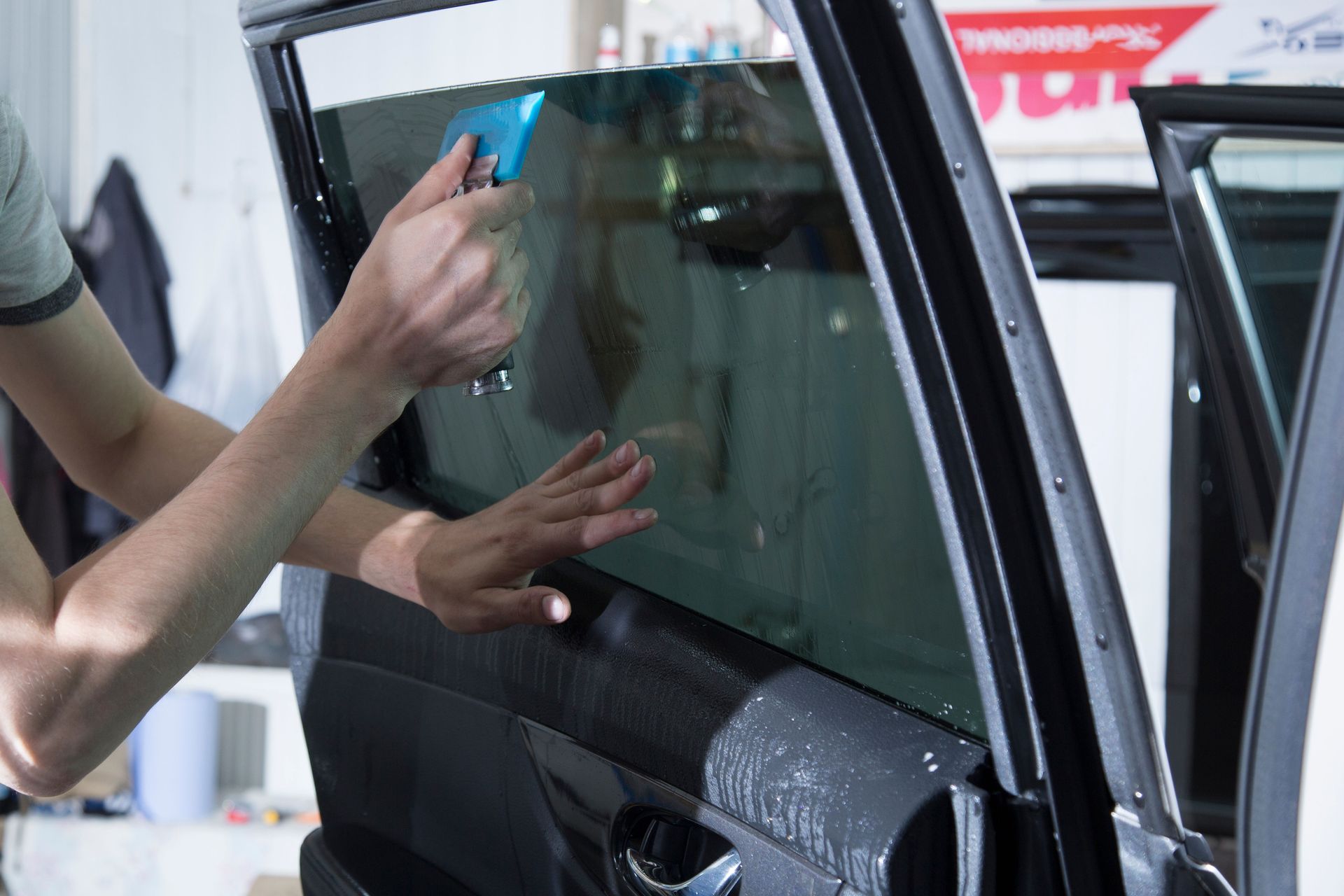
Certified installation at Champion Window Tinting in Cornelius, NC uses computer-cut patterns specific to each vehicle make, model, and year, a climate-controlled installation bay, and certified installers with the hands-on experience that consistent, defect-free results require. Every installation includes confirmation of legal VLT compliance before the vehicle leaves the shop and written documentation of the film product, warranty terms, and installation date. This documentation is the foundation of the warranty coverage and the compliance record that protects owners at traffic stops and annual inspections.
Who Gets the Strongest Return on Window Tinting in North Carolina
Daily Charlotte Area Commuters
Daily commuters covering regular routes in the Charlotte metro area accumulate the UV exposure, heat cycling, and AC demand that make every ceramic film benefit relevant on every commuting day. The heat rejection benefit changes the daily experience of returning to a parked vehicle through seven months of North Carolina's UV season. The UV blocking preserves interior conditions across years of outdoor parking at work locations. The lifetime warranty means no replacement cost within a typical vehicle ownership period.
New Vehicle Owners
New vehicle owners who install ceramic film within the first month of ownership lock in factory-fresh interior condition from day one. Every week without ceramic film during a North Carolina UV season is UV damage accumulating on dashboard materials, leather, and interior trim that the film would have prevented. The film adhesive also bonds to factory-clean glass rather than glass that has accumulated the contamination that outdoor Charlotte area exposure deposits within months of purchase.
Drivers Who Park Outdoors
The return on investment calculation is most compelling for any driver who parks outdoors during workday hours in the Charlotte area from May through September. This is the exposure profile that produces the highest interior damage accumulation and the highest AC system strain across the ownership period. For drivers who park in covered garages throughout the day, the heat and UV exposure during driving still applies but the cumulative daily UV load is substantially lower, which narrows the financial return while preserving the comfort and glare-reduction benefits.
Common Objections to the Investment
The upfront cost is too high relative to my car's value. The five-year return calculation applies across vehicle price tiers because interior UV damage, AC system strain, and detailing costs accumulate on every vehicle regardless of its market value. A $425 installation on a five-year-old vehicle with $8,000 of remaining value still produces returns that exceed the investment through preventing interior deterioration.
My car has factory tinted windows so I do not need additional film. Factory privacy glass on rear windows of SUVs and trucks provides visible darkening through colored glass but delivers limited UV and heat rejection performance. Factory glass UV filtering is typically 60 to 70 percent, far below the 99 percent blocking of ceramic film. Factory privacy glass does not have the heat rejection characteristics of ceramic particle technology regardless of its visible darkness.
The installation will not look good on my vehicle. Professionally installed ceramic film on a correctly cut pattern for the specific vehicle produces results that are optically invisible under normal viewing conditions. The film does not change the visible appearance of clear glass or lightly tinted windows beyond the chosen VLT level. Concerns about installation appearance apply specifically to budget DIY or low-quality installations rather than to certified shop work.
Conclusion
Window tinting is worth it in North Carolina, and the numbers confirm this across every category. A single Ceramic Max full vehicle installation starting at $625 from Champion Window Tinting prevents $1,500 to $5,200 in interior damage, detailing costs, and AC system strain over a five-year ownership period in North Carolina's climate. The break-even point arrives within one to two years for most Charlotte area daily drivers. The UV protection, heat rejection, glare reduction, and maintained interior appearance that ceramic film delivers are present on every drive and every parking session across the full ownership period.
The investment makes the most sense for daily commuters who park outdoors, new vehicle owners who want to lock in factory interior condition from day one, and any driver who spends significant time managing North Carolina's seven-month high-UV season in a vehicle without adequate glass protection. For Cornelius, NC and Charlotte area drivers, the question of whether ceramic window tinting is worth it consistently resolves the same way when the actual numbers are applied to real-world North Carolina ownership conditions.
See the Numbers for Your Specific Vehicle in Cornelius, NC.
A written quote that shows the exact ceramic tier, coverage scope, and total cost for your vehicle before any commitment is made is the starting point for every installation at Champion Window Tinting. Stop by 10415 Bailey Rd, Cornelius, NC or call (704) 275-2002 to get the specific numbers for your vehicle and find out which ceramic package delivers the strongest return for your ownership situation.
Frequently Asked Questions
1. How much does ceramic window tinting cost for a full vehicle in Cornelius, NC?
Full vehicle ceramic tint surround pricing at Champion Window Tinting in Cornelius starts at $425 for the entry-level Ceramic tier and reaches $625 for the Ceramic Max premium tier. Front two-window match pricing starts at $200 for Ceramic and $250 for Ceramic Max. Full windshield installations start at $250 across all ceramic tiers. A written quote after a site assessment provides accurate pricing for the specific vehicle make, model, and year.
2. How long does ceramic window tint last on a North Carolina vehicle?
Installer-grade ceramic film carries a lifetime warranty against bubbling, peeling, delamination, and color change at Champion Window Tinting. Real-world lifespan in North Carolina's climate consistently reaches the warranted period because ceramic particle chemistry is UV-stable and does not photodegrade under the sustained high-UV exposure that North Carolina's seven-month sun season produces. Dyed film alternatives fail within one to two years under the same conditions, which is why ceramic film is the only product tier that supports the five-year return on investment calculation.
3. What is the legal window tint limit in North Carolina in 2026?
North Carolina requires front side windows on all vehicle types to allow more than 35 percent of visible light through. The windshield permits non-reflective tint only on the top five inches. For passenger sedans and coupes, all non-windshield windows including rear side windows and the rear windshield must also meet the 35 percent minimum. For multipurpose vehicles including SUVs, vans, and trucks with outside mirrors on both sides, rear side windows and the rear windshield can be tinted to any darkness level. Champion Window Tinting confirms combined VLT compliance on every installation before the vehicle leaves the shop.
4. Is ceramic window tinting worth it for a vehicle that parks in a covered garage?
Yes, though the financial return is smaller than for vehicles that park outdoors during workday hours. Garage-kept vehicles avoid the peak UV and heat accumulation that produces the most significant interior damage and AC system strain. However, UV exposure during driving through North Carolina's seven-month UV season still accumulates on interior surfaces, and the comfort benefits of reduced cabin heat and glare during daily driving apply regardless of parking situation. The installation cost is the same and the warranty coverage applies equally, making the investment worthwhile for any North Carolina driver even with covered parking.
5. What is the difference between Ceramic, Ceramic Plus, and Ceramic Max tint at Champion Window Tinting?
Ceramic is the entry-level installer-grade tier, blocking up to 70 percent of solar heat and 99 percent of UV radiation, starting at $200 for a front two-window match. Ceramic Plus is the top-selling tier, rejecting up to 85 percent of infrared heat with a lifetime warranty included, starting at $225 for a front two-window match. Ceramic Max is the premium tier using advanced nano-ceramic technology to reject up to 98 percent of solar heat with maximum optical clarity, starting at $250 for a front two-window match. All three tiers block 99 percent of UV radiation. The difference between tiers is heat rejection performance, with each step up delivering measurably better cabin temperature reduction in North Carolina's summer conditions.
Articles from the Champion Window Tinting Blog
Champion Window Tinting Services