How Does Car Window Tinting Affect Night Driving Visibility and Reduce Headlight Glare?
SCHEDULE ONLINENight driving comes with its own set of stress triggers, and blinding headlight glare from oncoming traffic ranks near the top of the list for most drivers. That split-second flash of white light from a modern LED or HID headlamp can leave your eyes scrambling to readjust, turning a routine commute into a genuinely risky situation. Window tinting has been gaining attention as a practical solution to this problem, but the real story involves more nuance than most people expect. Drivers exploring Car Window Tinting in Lake Norman NC with Champion Window Tinting will find that understanding how film technology interacts with light after dark is the first step toward making a choice that actually improves safety. This guide breaks down exactly what happens to your visibility when you tint your windows and how to land on the right decision for confident, comfortable nighttime driving.
Understanding How Window Tint Works on Your Car
Window tint is not just a cosmetic upgrade. At its core, tint film is a thin polyester layer bonded to the interior surface of your car's glass. It is engineered to filter specific types of light, including ultraviolet rays, infrared heat, and visible light. The way it handles visible light after dark is what makes the choice of tint so important for nighttime drivers.
The Science Behind Tint Films and Light Transmission
Different tint technologies filter light in fundamentally different ways. Dyed films absorb incoming light. Metallic films reflect it. Carbon and ceramic films use advanced particles to selectively block certain wavelengths while allowing others to pass through cleanly. That distinction matters a great deal when you are driving in low-light conditions and need every photon of available light to reach your eyes without distortion.
The quality of the film also plays into optical clarity. A lower-grade film may block light evenly across the spectrum but leave a slightly hazy or flat appearance that dulls contrast and makes it harder to judge depth and distance after dark. Premium films maintain crisp, natural-looking vision while still doing the filtering work they are designed to do.
VLT Percentage: What It Means for Night Driving
Every tint film carries a Visible Light Transmission rating, known as VLT. This number tells you what percentage of visible light passes through the film. A 50% VLT allows half the incoming light through. A 15% VLT only lets a fraction pass. The lower the number, the darker the tint.
Think of your car windows like sunglasses. Wearing dark lenses in bright afternoon sun makes complete sense. Putting those same lenses on at midnight while driving down an unlit road is a different story entirely. The same logic governs tint selection. A very dark tint that feels comfortable on a sunny day can strip away enough ambient light at night to slow your reaction time, reduce peripheral awareness, and make low-visibility hazards genuinely harder to spot.
Does Window Tint Really Reduce Headlight Glare?
The short answer is yes, and this is where tint earns its reputation among safety-conscious drivers. Modern headlights, particularly LED and HID systems, produce intense, concentrated beams that can overwhelm your vision momentarily, especially during evening drives along I-77 or NC-73. A quality tint film softens that incoming light before it reaches your eyes, reducing the blinding effect without eliminating the useful visual information around it.
How Glare Affects Driver Safety at Night
Glare is not just uncomfortable. It creates a temporary blind spot that can last several seconds depending on the intensity of the light source and the sensitivity of the driver's eyes. During those moments, your brain is working to compensate for overloaded photoreceptors, and your ability to process the road ahead through Cornelius, Huntersville, Davidson, or Mooresville traffic is genuinely compromised.
Research consistently links glare-related vision impairment to a meaningful share of nighttime accidents. Older drivers are particularly vulnerable because the eye's ability to recover from sudden brightness decreases with age. Any reduction in glare intensity that does not simultaneously reduce useful visibility remains a clear safety gain for Lake Norman area drivers.
Which Tint Types Are Most Effective Against Glare
Not all films handle glare the same way. The technology behind the film determines how selectively it filters light, which directly affects how useful it is for nighttime driving.
Ceramic Tint and Glare Performance
Ceramic tint uses non-metallic nano-ceramic particles embedded in the film to block infrared and UV light as well as a controlled portion of visible light. The result is a film that reduces glare effectively without the flat, darkened view you get from dyed options. Optical clarity stays high, colors look natural, and the windshield does not take on that closed-in feeling that darker films can produce. For drivers who do regular nighttime driving, ceramic is the film that consistently performs best across all lighting conditions.
Carbon Tint as a Mid-Range Option
Carbon tint sits between basic dyed film and premium ceramic in both price and performance. It handles glare reasonably well, offers better color stability than dyed films over time, and does not produce the radio interference that metallic films sometimes cause. For drivers who want improvement over standard glass without moving to a top-tier product, carbon film is a practical middle ground worth considering.
Legal Tint Limits and Why They Matter in North Carolina
Every state regulates car window tint darkness, and North Carolina is no exception. State law requires that front side windows allow more than 35% of visible light to pass through. Rear side windows and the rear window have more flexibility, but regulations still apply and vary depending on vehicle type.
For anyone researching Window Tinting shop in Lake Norman NC, understanding these legal limits before choosing a VLT percentage is essential. Going darker than permitted means potential fines, failed vehicle inspections, and the added cost of having non-compliant film removed and replaced. The 35% threshold also happens to align closely with the performance sweet spot for balanced day and night driving, which means staying legal and staying safe tend to point in the same direction.
Choosing the Right Tint for Balanced Day and Night Performance
The ideal tint for a driver who uses their vehicle in all conditions is one that manages daytime heat and glare effectively while keeping nighttime visibility where it needs to be. That means thinking about both VLT percentage and film technology together as a package, not evaluating either factor in isolation.
Ceramic Tint vs. Dyed Tint for Night Driving
Dyed films are the most accessible entry point into window tinting from a price perspective, but they tend to absorb light broadly rather than filtering it with precision. At night, this can produce a slightly closed-in, flat visual quality that dulls contrast and makes the environment feel harder to read. Dyed films also fade over time, which changes their light transmission properties in ways that are difficult to predict and account for.
Ceramic films are engineered differently. They target specific wavelengths for rejection while preserving natural optical clarity across the visual spectrum. The view through a ceramic-tinted window at night feels clean and sharp, with oncoming headlights softened to a manageable level rather than eliminated or amplified. For drivers prioritizing night safety, the performance difference between ceramic and dyed film is tangible and consistent.
Drivers exploring Lake Norman NC Automotive Tint Services should ask specifically about ceramic film options when night driving performance is a priority in their decision.
Professional Installation and Why It Makes a Difference
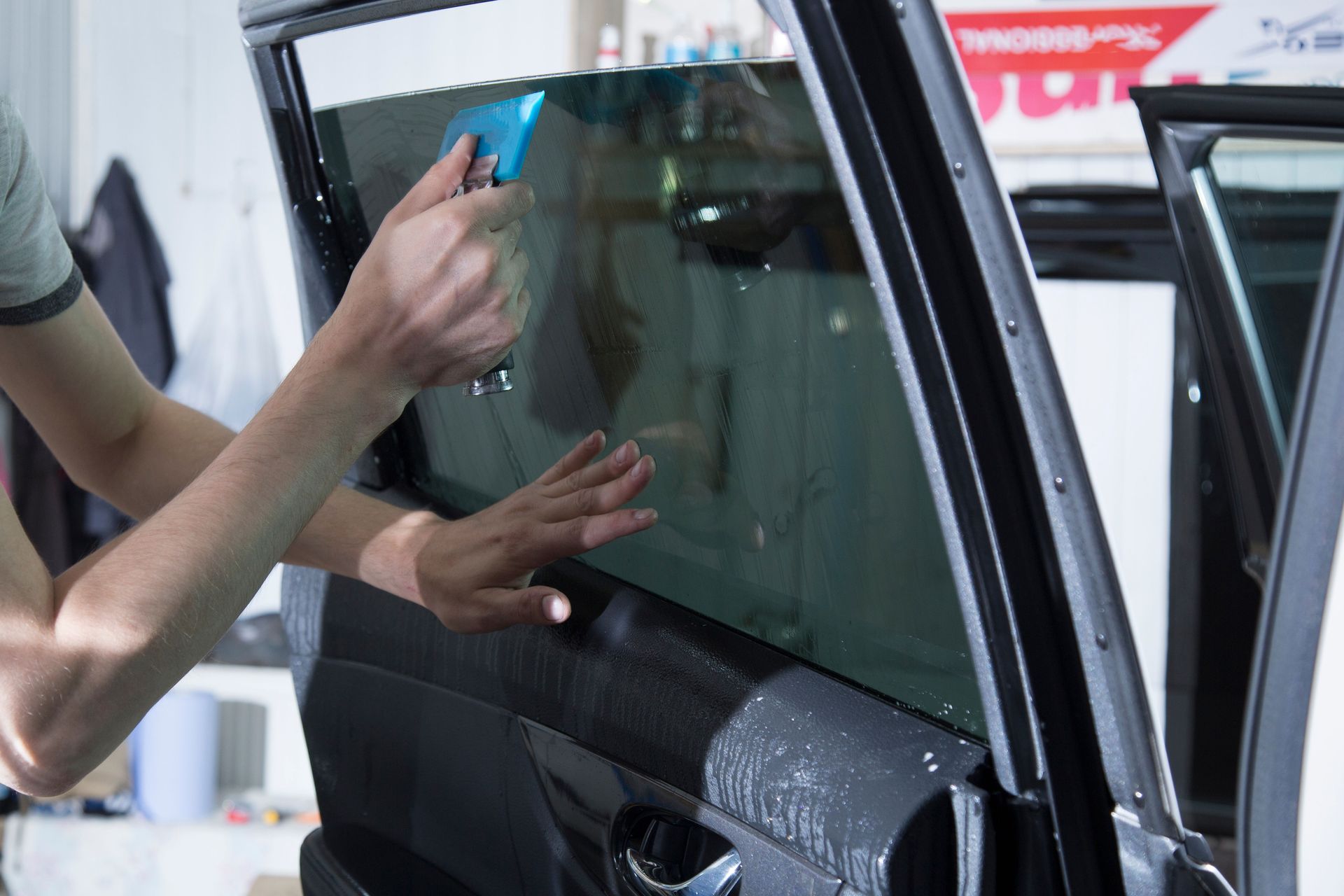
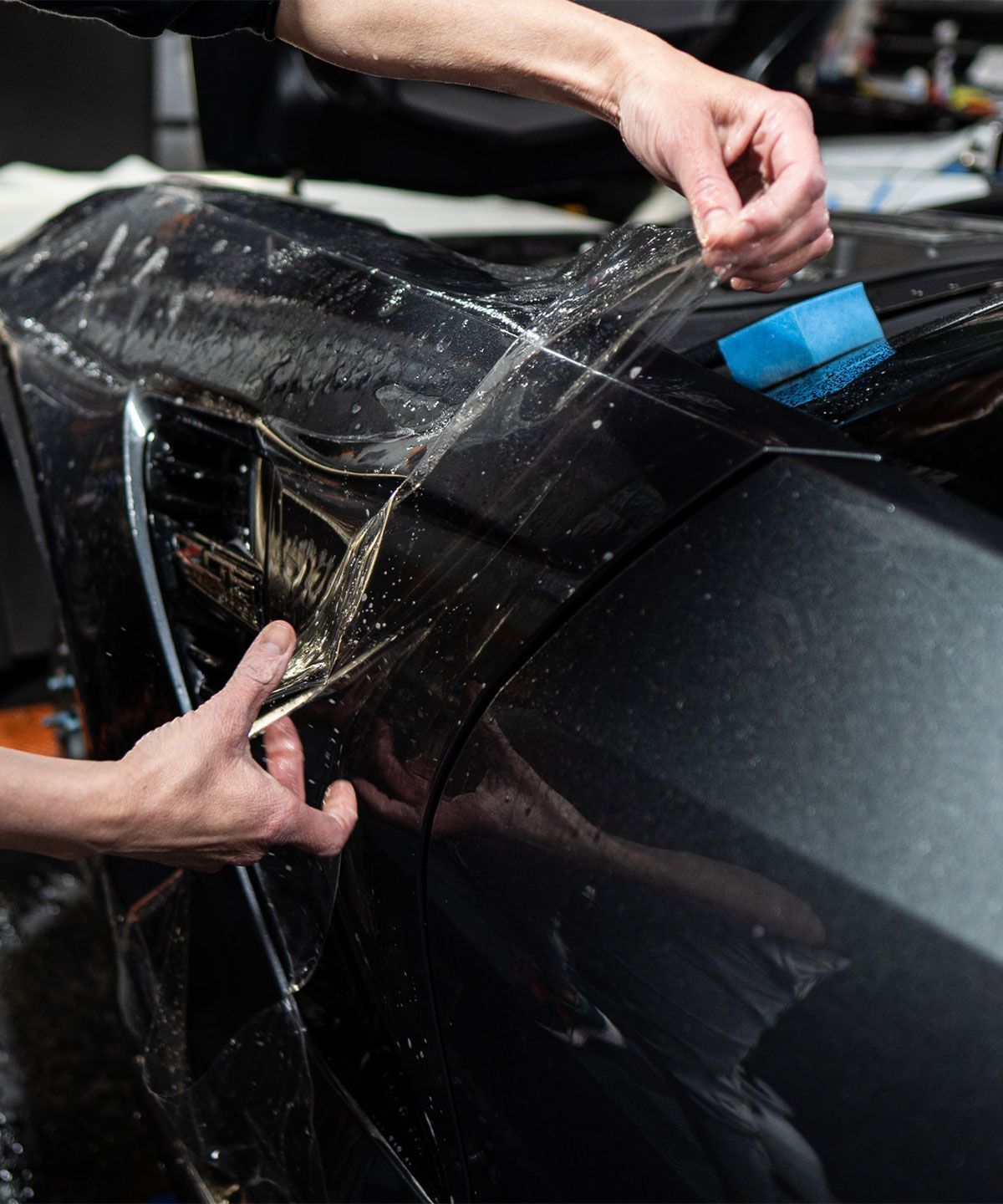
Even the highest-performing ceramic film delivers disappointing results when the installation is sloppy. Bubbles, uneven edges, creases, and poor curing all interfere with how light passes through the glass. These imperfections scatter incoming light in ways that can actually worsen glare rather than reduce it, and introduce visual distortion that affects depth perception and your ability to spot hazards quickly. The film itself is only half the equation. How it gets applied determines whether it performs the way it was designed to.
For anyone researching Car Window Film Installation in Lake Norman NC, working with a skilled, experienced installer is just as important as selecting the right film and VLT percentage. Champion Window Tinting combines professional-grade materials with precise application technique, ensuring clean, consistent results across every window surface. That level of craftsmanship is what allows the film to do its job after dark, maintaining even light transmission, preserving optical clarity, and giving you the glare reduction and visibility balance you are actually looking for.
Conclusion
Car Window Tinting in Lake Norman NC and night driving are fully compatible when the right decisions are made upfront. The right VLT percentage, the right film technology, and professional installation work together to reduce headlight glare, ease eye strain, and preserve the nighttime visibility that safe driving depends on. The problems only appear when tint is chosen without accounting for after-dark performance, or when installation quality is treated as an afterthought. Understanding those variables puts you in control of an outcome that directly affects how safely and comfortably you drive every time the sun goes down.
FAQs
1. Does window tint make it harder to see at night?
It depends on the VLT percentage and film quality. Tint below 20% VLT can reduce nighttime visibility noticeably. Films in the 35% to 50% range typically maintain strong visibility while still providing meaningful glare reduction benefits.
2. What type of tint is best for reducing headlight glare?
Ceramic tint is the top-performing option for glare control without sacrificing visibility. Its nano-ceramic particle technology filters light more selectively than dyed or metallic films, making it particularly effective for drivers who spend significant time driving after dark.
3. Is window tint legal in North Carolina?
Yes, within defined limits. North Carolina law requires front side windows to allow more than 35% visible light transmission. Other windows have different requirements, so reviewing current state regulations before selecting a VLT level is a sensible first step.
4. Can window tint reduce eye fatigue on long night drives?
Many drivers report a noticeable reduction in eye fatigue after installing a quality mid-range tint. By softening the peak intensity of oncoming headlights, the eyes spend less energy adjusting between bright and dark, which reduces cumulative strain over longer drives.
5. How do I know which tint percentage is right for me?
The best approach is to discuss your specific driving patterns with a professional installer. Factors like how frequently you drive at night, the lighting conditions on your typical routes, and whether you have any sensitivity to glare all shape the ideal VLT and film type for your situation.
Articles from the Champion Window Tinting Blog
Champion Window Tinting Services