You own a home in Cornelius, NC, and you have probably noticed how intense the sun gets during those long summer months. The heat pours through your windows, your energy bill climbs, and your furniture starts fading before you know it. So when homeowners start exploring solutions, home window tinting in Cornelius NC comes up pretty quickly as a practical option. And for good reason. Companies like Champion Window Tinting have helped countless local homeowners reduce heat, protect their interiors, and improve overall comfort without doing a full renovation. But is it actually worth it? Let us break it all down so you can make a truly informed decision.
What Is Home Window Tinting?
Before jumping into the benefits, it helps to understand what you are actually dealing with. Home window tinting is not the same as the dark film you see on car windows at a dealership. Residential tinting involves applying a thin, multi-layered film directly to the interior surface of your existing windows. These films are designed to block certain wavelengths of light, particularly infrared and ultraviolet rays, while still allowing visible light to pass through.
Think of it like sunglasses for your home. The tint does not black out your view or make your house feel like a cave. Instead, it filters the harmful and heat-producing parts of sunlight while keeping things bright and comfortable inside.
How Window Tinting Films Work
Window films work through a process of reflection, absorption, and transmission. When sunlight hits a tinted window, a portion of the solar energy gets reflected back outside, some gets absorbed within the film itself, and the rest passes through as visible light. The ratio between these three depends on the specific film type and its Solar Heat Gain Coefficient (SHGC). Films with a lower SHGC block more heat from entering, which is exactly what you want during a hot Carolina summer.
Modern films also use nano-ceramic or metallic layers that are virtually invisible to the naked eye but incredibly effective at regulating solar energy transfer. This is not your grandfather's window tint. The technology has come a long way.
Types of Window Tint for Residential Use
There are several categories of residential window film worth knowing about:
- Solar control films block heat and glare while maintaining visibility
- Privacy films reduce visibility from outside without making rooms dark
- Decorative films add frosted or patterned aesthetics
- Safety and security films hold glass together upon impact
- UV-blocking films specifically target the ultraviolet spectrum to protect skin and furnishings
Most homeowners in Cornelius end up choosing solar control or UV-blocking films, sometimes combining both properties in a single product.
Why Cornelius, NC Homeowners Are Considering Window Tinting
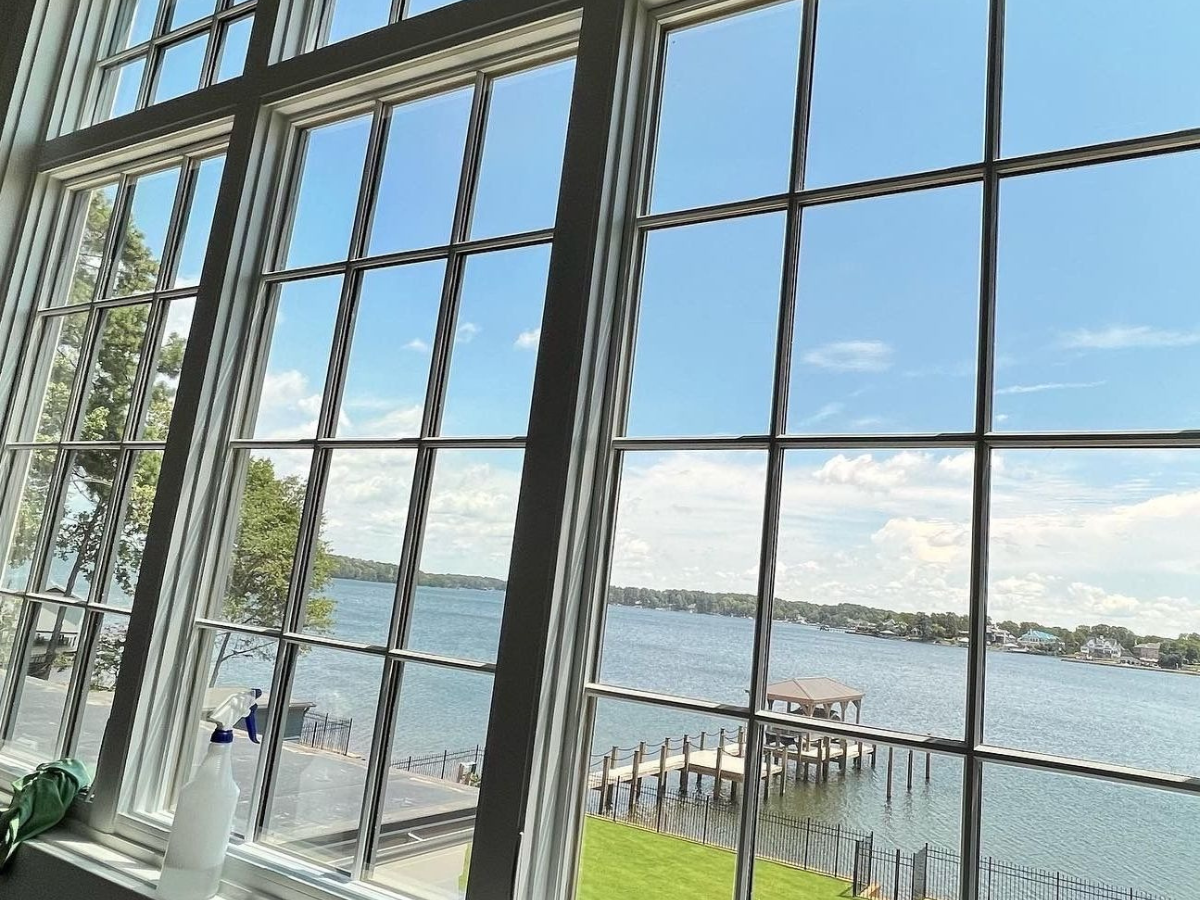
Cornelius sits right on the northern edge of Lake Norman, which makes it a beautiful place to live. But that same geography comes with some real environmental factors that push homeowners toward solutions like residential window tinting.
The Carolina Sun Is No Joke
North Carolina sits in a region that receives intense solar radiation for a large portion of the year. Summers in Cornelius can push well into the 90s, and even spring and fall bring plenty of direct sunlight. Homes with large windows, sliding glass doors, or west-facing rooms feel this the most. The sun does not just make rooms uncomfortable. It drives up your air conditioning costs, fades hardwood floors, and degrades fabric on sofas and curtains faster than most homeowners realize.
Energy Costs in North Carolina
North Carolina homeowners pay an average residential electricity rate that, when combined with high cooling demands in summer, leads to some serious utility bills. Windows are one of the biggest weak points in any home's thermal envelope. Even double-pane windows allow significant solar heat gain. Tinting addresses this problem directly without requiring expensive window replacement.
Key Benefits of Home Window Tinting in Cornelius, NC
Now we get to the real meat of the matter. What does window tinting actually do for you as a homeowner in this area?
Energy Efficiency and Lower Utility Bills
This is usually the benefit that gets people most excited, and for good reason. High-quality solar window films can block anywhere from 40 to 80 percent of solar heat gain depending on the product. That means your HVAC system does not have to work as hard to maintain a comfortable indoor temperature. For homes with a lot of south or west-facing windows, the difference in cooling costs can be noticeable within the first billing cycle after installation.
Over time, this compounds. Saving even a modest amount per month on electricity adds up across the lifespan of the film, which typically runs 10 to 15 years or more with proper installation.
UV Protection for Your Family and Furniture
Here is something a lot of homeowners do not think about: up to 99 percent of UV radiation can be blocked by quality window films. That matters for two reasons. First, UV rays are a known cause of skin damage, and spending time near sunny windows whether working from home, reading, or just relaxing means your exposure adds up over the years. Second, UV light is the primary culprit behind fading in flooring, furniture, artwork, and window treatments.
Champion Window Tinting works with films that offer this level of UV protection, meaning your investment in home decor and flooring is better protected the moment the film goes on.
Glare Reduction for Everyday Comfort
Glare is one of those quality-of-life issues that people underestimate until it is gone. A home office near a window, or a TV positioned where afternoon light washes out the screen, means glare is actively reducing your comfort and productivity every single day. Window tinting cuts down on glare significantly without requiring you to keep blinds shut all day. You get natural light without the harsh brightness. That is a genuine upgrade to daily life.
Privacy Without Sacrificing Natural Light
Traditional privacy solutions like curtains, blinds, and frosted glass all have a trade-off: they block light along with visibility. Certain window tinting films, especially reflective or one-way variants, allow you to see outside clearly while making it very difficult for passersby to see in during daylight hours. For homes near busy roads, neighbors, or common areas around Lake Norman, this kind of daytime privacy is genuinely valuable.
Added Security and Shatter Resistance
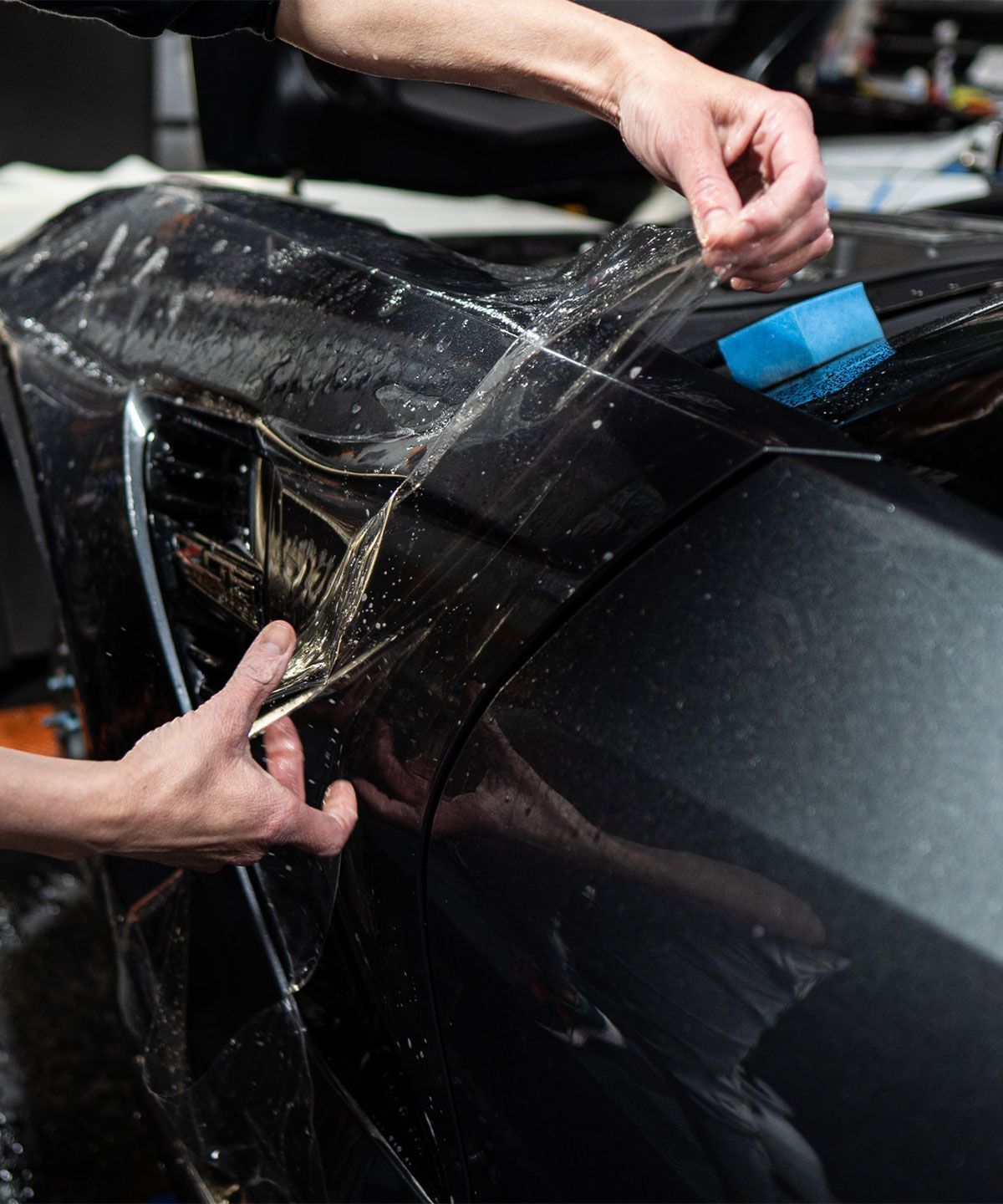
Security films are a specific category worth mentioning. These thicker films are designed to hold broken glass in place upon impact, whether from an attempted break-in, a storm, or accidental impact. While no film makes glass unbreakable, it significantly slows down a smash-and-grab scenario and reduces the danger of flying shards during severe weather. Given that Cornelius can see some intense summer storms, this is a practical benefit that goes beyond comfort.
Does Home Window Tinting Affect Curb Appeal?
This is a fair concern, especially for homeowners who take pride in their home's exterior appearance. The short answer is that modern window films, when professionally installed, are virtually undetectable from the outside. The days of bubbly, purple-tinted film peeling off glass are long gone.
Aesthetic Options Available
Beyond neutral and clear films, homeowners now have access to a wide range of decorative and architectural films. Frosted patterns, etched glass looks, and subtle tint can actually enhance the visual character of a home. Some homeowners use decorative film on bathroom windows, sidelights, and entryway glass to add a design element while gaining privacy. It is an underused design tool that serves a functional purpose at the same time.
What to Expect During the Installation Process
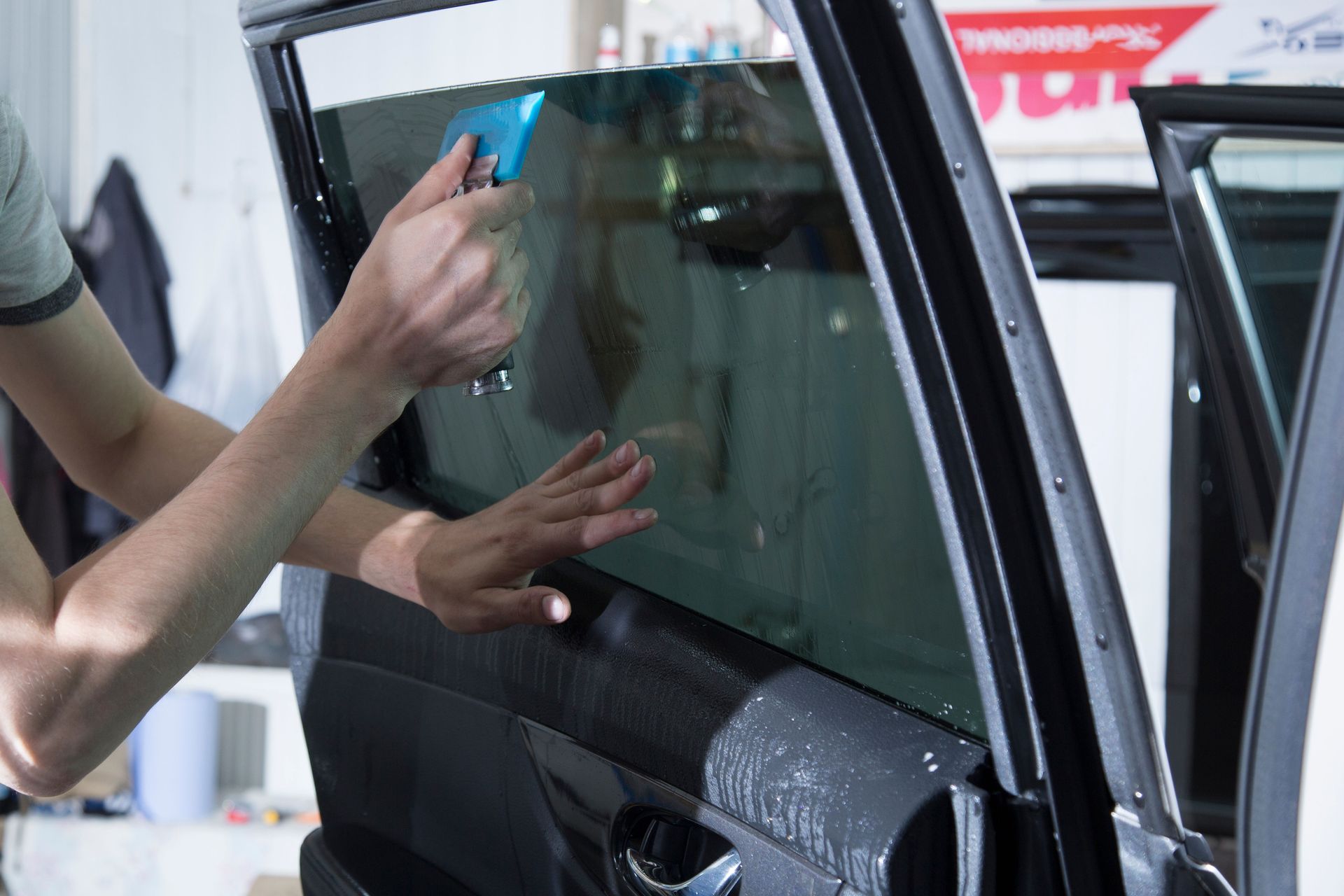
A professional installation from a company like Champion Window Tinting is not a disruptive all-day project. Most residential jobs can be completed in a few hours depending on the number of windows. The process involves cleaning the glass thoroughly, cutting the film to precise measurements, and applying it with a solution that allows repositioning before the adhesive sets. Once applied, there is a curing period of a few days during which the film bonds fully to the glass.
During curing, you might notice some slight haziness or small water pockets under the film. This is completely normal and disappears as the film dries. No need to vacate your home or take any special precautions during this period.
How Long Does Residential Window Tint Last?
Quality residential films installed by a professional typically last between 10 and 20 years. The lifespan depends on factors like the quality of the film, the direction the windows face, and whether the glass gets direct sun exposure year-round. Most reputable installers offer warranties that cover peeling, bubbling, and color change, giving you peace of mind alongside the product itself.
Is Home Window Tinting Actually Worth the Investment?
Let us get practical. You want to know whether the money you spend comes back to you in a meaningful way.
Return on Investment for NC Homeowners
When you factor in reduced cooling costs, extended lifespan of interior furnishings, and the comfort improvements that come with tinting, most homeowners find that the investment pays for itself within a few years. Add in the UV protection and security benefits, and the value picture gets even clearer. Unlike many home improvement projects, window tinting does not require structural changes, permits, or extended installation timelines. The barrier to entry is relatively low compared to the ongoing returns.
Factors That Influence the Cost
Several variables affect how much you will spend on home window tinting in Cornelius NC:
- Number of windows and total square footage of glass to be covered
- Type of film selected (standard solar, nano-ceramic, security, decorative)
- Window accessibility and whether any windows are unusually large or irregularly shaped
- Labor and installation complexity based on the layout of your home
Getting a professional assessment from Champion Window Tinting gives you an accurate quote based on your specific home rather than a generic estimate. Pricing varies enough between film types and home configurations that a real consultation is the most useful starting point.
Conclusion
So, is home window tinting worth it for Cornelius, NC homeowners? Based on the climate, energy costs, UV exposure, and quality of life improvements it delivers, the answer for most homeowners is a clear yes. It is not a magic fix, but it is a well-proven, cost-effective upgrade that addresses multiple problems at once. Whether your priority is lower energy bills, protecting your furniture, improving privacy, or reducing glare, residential window tinting delivers on all of those fronts with minimal disruption. Champion Window Tinting has built a reputation serving homeowners in this area, and the demand for this service in Cornelius continues to grow for very good reason.
Ready to See What Window Tinting Can Do for Your Cornelius Home?
Homeowners in Cornelius who want to understand exactly what window tinting could do for their specific property can reach out to Champion Window Tinting for a professional assessment. They can evaluate your window configuration, sun exposure, and goals to recommend the right film type for your situation.
Frequently Asked Questions
1. Will window tinting make my home too dark inside?
Not with modern solar control films. Today's residential tint are engineered to reduce heat and UV rays while maintaining good visibility and natural light. Most homeowners notice little to no change in how bright their rooms feel, just a reduction in glare and heat.
2. Can window tinting be applied to double-pane windows?
Yes, but it requires careful film selection. Certain films can cause thermal stress in double-pane (insulated glass) units when too much heat is absorbed within the glass. A professional installer will match the right film to your specific window type to avoid this issue.
3. How does Cornelius's climate specifically benefit from window tinting?
Cornelius experiences hot, humid summers with intense solar radiation. Homes in this area deal with significant solar heat gain, especially in south and west-facing rooms. Window tinting directly reduces that heat load, which translates to real comfort and energy savings throughout the cooling season.
4. Does window film work in winter too?
Yes. Some low-emissivity window films provide a degree of insulation benefit in winter by reflecting interior heat back into the room. While the primary benefit in NC is summer cooling, certain film types offer modest year-round thermal performance.
5. How do I clean windows after tinting?
After the film has fully cured (typically 30 days), you can clean tinted windows with a soft cloth and a mild, ammonia-free cleaner. Avoid abrasive scrubbers or harsh chemicals, as these can scratch or degrade the film surface over time.
Articles from the Champion Window Tinting Blog


Champion Window Tinting Services