How long does it take to install PPF? Most paint protection film jobs run anywhere from a few hours to a full week. The exact time depends on how much of the vehicle gets covered. A partial front package can often finish in a single visit. A full vehicle wrap usually needs several days of careful work. Champion Window Tinting installs paint protection film for drivers across Cornelius, NC and the wider Lake Norman area. This guide breaks down real installation timelines by coverage level, vehicle type, and what actually happens in the shop.
How Long Does PPF Installation Take by Coverage Level?
Installation time depends almost entirely on how much film goes on the vehicle. A small partial front package takes far less time than a full body wrap. More panels mean more cutting, fitting, and hand application.
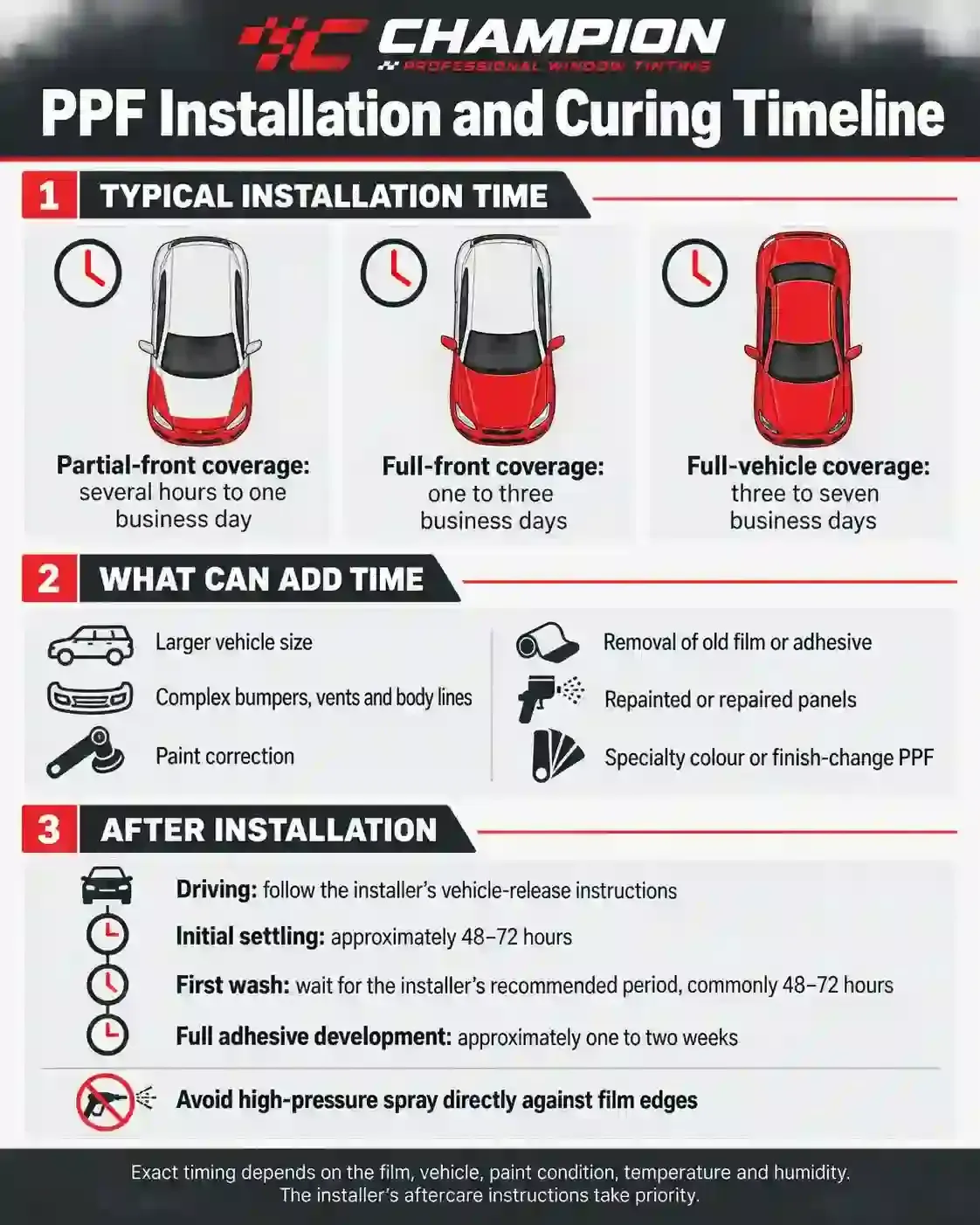
The table below shows typical ranges installers report across the industry. Coverage level plays the largest role in how long any single appointment takes.
| Coverage Level | What's Typically Covered | Typical Installation Time |
|---|---|---|
| Partial front (track package) | Hood edge, bumper, mirrors, headlights | Half a day to one full day |
| Full front | Full hood, bumper, fenders, mirrors, headlights | 1 to 3 business days |
| Full vehicle / full body | Every painted panel, doors, roof, trunk | 3 to 7 business days |
Most local shops, including Champion, group these into named packages rather than raw coverage descriptions. A Pro-level package generally matches partial front timing. A Plus-level package matches full front timing, and a Max-level package matches full vehicle timing. These are general ranges, not guarantees, since vehicle size and paint condition can shift any job outside these windows.
What Factors Affect How Long PPF Installation Takes?
Several variables push installation time up or down beyond the coverage level alone.
Vehicle Size and Body Complexity
Larger vehicles carry more surface area to measure, cut, and wrap. Curved bumpers, multi-piece fenders, and vented panels take longer to finish cleanly than flat, simple panels.
Paint Condition and Correction Needs
Every vehicle gets inspected for swirl marks, oxidation, and old wax buildup before Champion Window Tinting applies film. Film applied over unprepared paint traps defects underneath. It often needs paint correction first, which can add two to four hours.
Existing Film or Wrap Removal
Removing old PPF or vinyl wrap adds real time. Dried adhesive has to come off fully before new film can bond properly, and rushing this step leaves residue behind.
Coverage Scope and Package Choice
Larger packages cost more and take longer to install, since more panels mean more precision cutting. Pricing and installation time typically scale together across every package tier.
How Does Vehicle Type Change Installation Time?
Body shape and panel count separate a quick job from a multi-day project.
Sedans, Coupes, and Hatchbacks
Sedans, coupes, and hatchbacks generally install fastest. Fewer complex curves and smaller panel sizes mean a full front package often finishes within one to two days. Simple bumper shapes also reduce hand-trimming time.
SUVs, Trucks, and Minivans
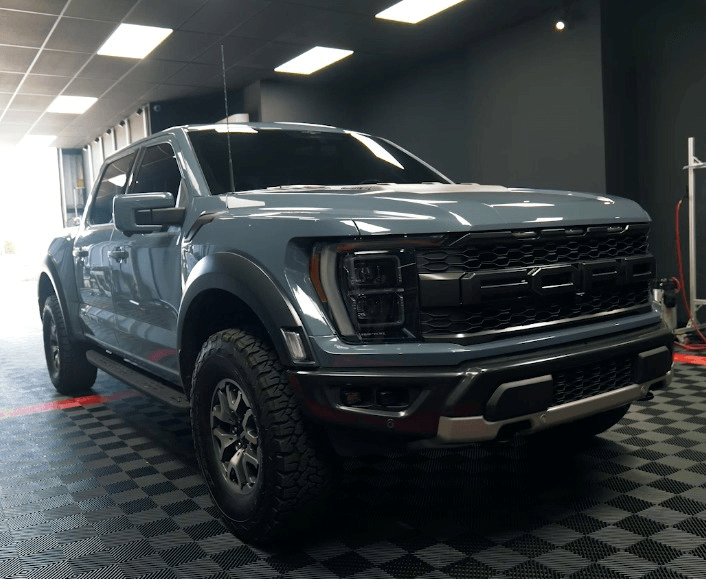
SUVs, trucks, and minivans have more surface area and taller body lines. Full front or full vehicle coverage on these platforms typically adds extra time. Expect a half day to a full day more than a similar package on a sedan.
Exotic, Luxury, and Complex-Curve Vehicles
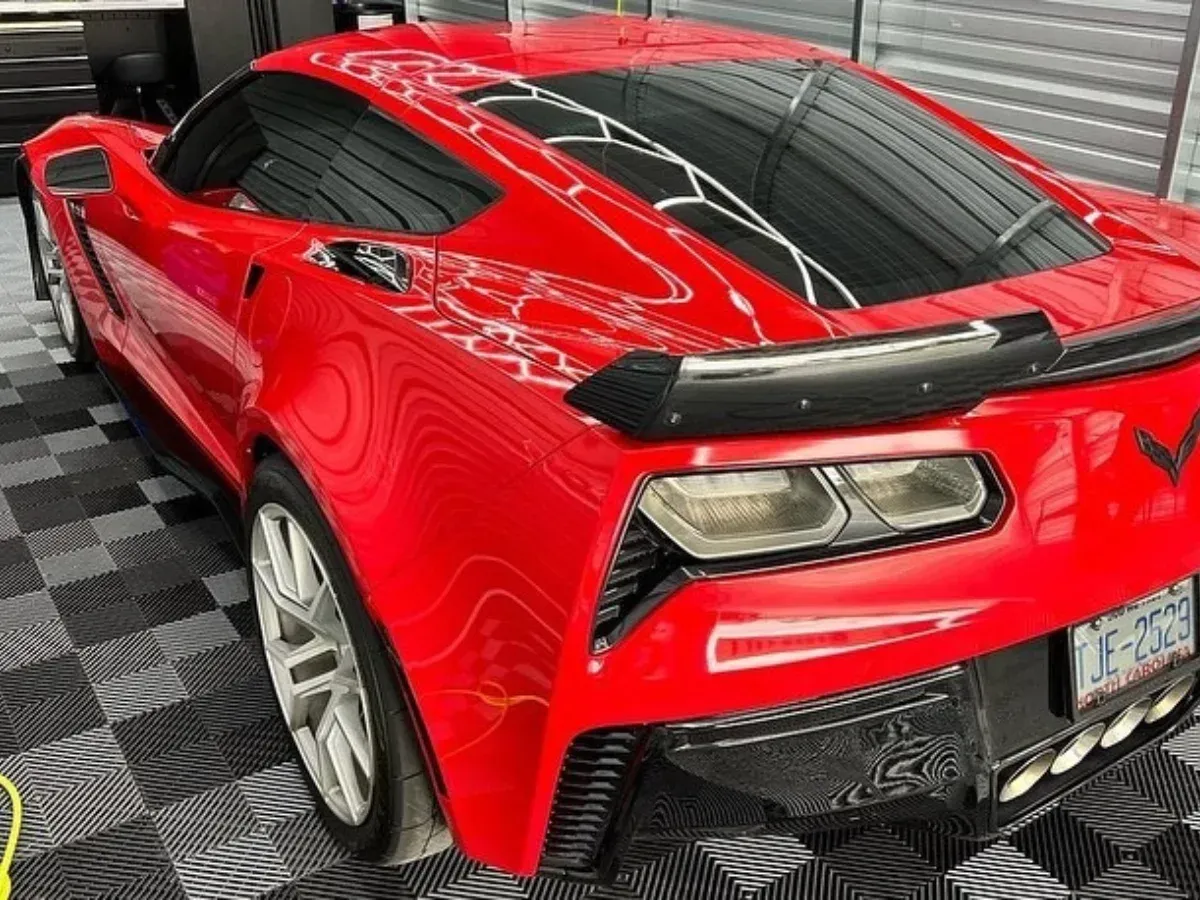
Exotic and luxury vehicles often carry compound curves, vented panels, and carbon fiber trim. These details require extra template work and hand-fitting. That can push a full vehicle wrap toward the longer end of the typical range.
How Long Will the Car Be at the Shop?
Hands-on installation time is not always the same as how long the vehicle sits at the shop. Some shops hold the vehicle through the full curing period as a courtesy. Others release it once application and an initial inspection finish.
Partial front and full front packages are usually ready the same day or the next business day for most drivers. Full vehicle wraps often mean dropping the car off and picking it up two to three days later. Hands-on application time is usually shorter than that full window.
Asking about loaner options or ride arrangements when booking avoids a scheduling scramble. This matters most for full vehicle packages that stretch across several days.
Weekday drop-offs, particularly early in the week, tend to move through the schedule faster than weekend requests. Booking a few days ahead keeps a preferred pickup date realistic.
Should PPF Go on Before or After Taking Delivery of a New Car?
New car buyers often want film installed as close to delivery as possible, before any rock chips happen. This is a reasonable goal, but new paint is not automatically flaw-free.
Factory paint can carry light swirl marks, transport scuffs, or thin spots from the assembly line. Skipping inspection on a new vehicle risks sealing those flaws under the film for years. A short paint check before application rarely adds more than an hour to the appointment on a brand-new car.
Booking installation within the first week or two of ownership still keeps the paint protected before regular driving begins. Waiting longer only increases the odds of a chip happening first.
Why Experienced Local Installation Matters for Timing and Quality
Installer skill changes both how long a job takes and how well it holds up. A rushed application can trap dust, lift edges, and leave visible seams that show up months later.
Paint protection film installation has been part ofChampion Window Tinting's work across the Lake Norman area since 2001. The shop is a member of the International Window Films Association. That background means the shop measures, cuts, and applies film correctly the first time, rather than reworking it mid-job.
Humidity and heat around the I-77 corridor can affect how film sets during application. That is another reason local experience matters. Drivers across Cornelius, Mooresville, Davidson, and Huntersville see that experience firsthand at every appointment.
Curious how long a specific vehicle will take once package, paint condition, and coverage are factored in? The Cornelius, NC team can walk through a real timeline for a Pro, Plus, or Max package during a quick vehicle assessment. Call (980) 399-5170 or schedule a consultation to get a timeframe based on the actual vehicle, not a generic estimate.
What Can Push a PPF Installation Past the Typical Timeline?
A handful of situations regularly extend the ranges above. Knowing them ahead of time helps set realistic expectations.
Color or Specialty Film
Color PPF and satin or gloss-change films often need more careful seam placement than clear film. Mismatched seams show far more on color film than on clear film overlaps.
Prior Bodywork or Repairs
Panels that have been repainted or repaired do not always match factory paint edges exactly. That mismatch can require extra trimming and test-fitting before the film goes down.
Weather and Shop Conditions
High humidity, low temperatures, and dusty bay conditions can all slow film application. A climate-controlled, dust-controlled bay keeps timelines more predictable.
Shop Backlog and Scheduling
Busy shops booking several full vehicle wraps in the same week may stage a car over two visits. A single continuous session is not always possible during peak weeks. Confirming timing when booking avoids surprises later.
Common Myths About PPF Installation Time
A few misconceptions cause more scheduling frustration than the installation process itself.
Same-Day Full Vehicle Wraps
A full vehicle wrap finished in a single day usually means shortcuts somewhere. Rushed prep, rushed panel fitting, or skipped final checks are common signs. Full coverage genuinely needs multiple days done well.
Any Shop Can Match Dealer Turnaround
Dealer-offered PPF is sometimes rushed to meet delivery deadlines, not because the film applies faster there. An installer working at a proper pace is not behind schedule. It is doing the job correctly.
Waiting Longer Always Means Better Quality
Extra days do not automatically improve results. A well-run shop finishes within the typical ranges above. Installation time that stretches far beyond those ranges more often signals a backlog than added craftsmanship.
Walk-In Appointments Save Time
Walk-in requests for full coverage packages rarely save time overall. Shops without a confirmed booking often push the job to a later opening. That delay can add days instead of saving hours.
What Happens During Professional PPF Installation?
Preparation takes longer than most drivers expect, and skipping it causes long-term problems.
Washing and Decontamination
Technicians wash the vehicle, then use a clay bar to strip embedded contaminants from the paint. Any shortcut here traps dirt beneath the film.
Paint Correction
Technicians polish out swirl marks, light scratches, and oxidation before applying the film. Film applied over rough paint shows every flaw underneath once it cures.
Precision Cutting
Panels get cut to the vehicle's exact contours using digital templates or hand-patterning. The method used depends on the shop and vehicle.
Application and Finishing
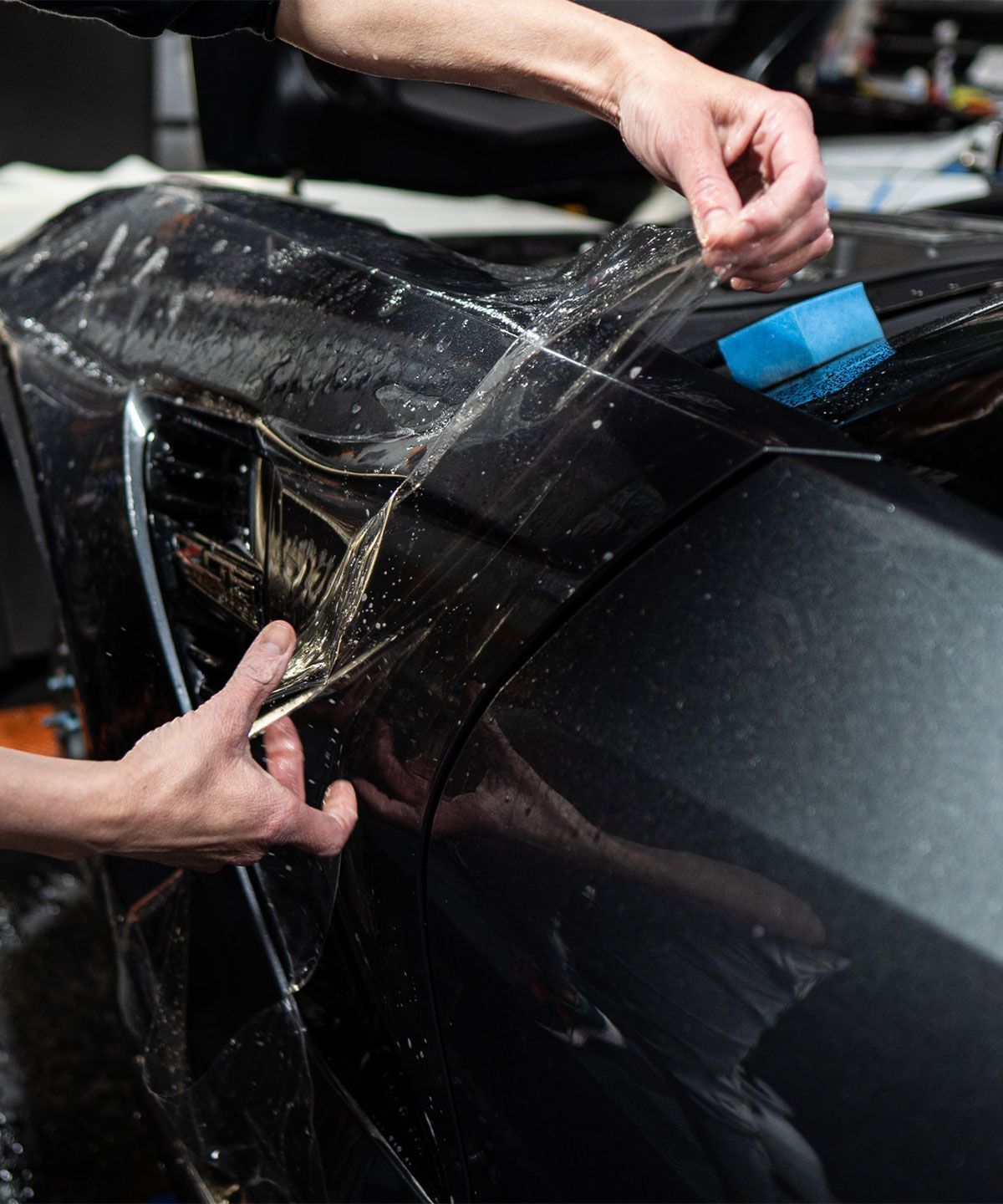
Installers apply the film wet, using a slip solution to position it before squeegeeing out air and water. Installers wrap or trim edges for a clean, factory-look finish.
Final Inspection
Every panel gets checked under bright light for bubbles, dust, or lifted edges before the vehicle leaves the bay. Any flaw found here gets corrected on the spot.
How Long Does PPF Take to Cure After Installation?
Installation time and curing time aren't the same. Installation is the hours or days spent applying the film. Curing is the separate process of the adhesive fully bonding to the paint afterward.
Most film manufacturers, including XPEL and 3M, note that initial solvent evaporation happens within the first 48 to 72 hours. Full adhesion typically continues for one to two weeks, depending on temperature and humidity.
Under normal conditions, you can usually drive a vehicle during this curing window. Extreme heat speeds curing, while cold or damp weather slows it down. Following the installer's specific curing instructions matters more than a generic timeframe.
When Can You Drive, Wash, or Wax the Car After PPF Installation?
Aftercare guidelines protect the investment during the curing window. Manufacturer instructions vary slightly by film type, so the installer's specific guidance should always take priority over a generic chart.
| Activity | General Waiting Period |
|---|---|
| First drive | 24 to 48 hours |
| First hand wash | 48 to 72 hours |
| Automatic or brush car washes | Avoid indefinitely; use touchless or hand wash |
| Waxing or adding ceramic coating | About 1 week |
| Bumpy roads, gravel, harsh weather | Avoid for the first few days |
XPEL's official film care instructions and 3M's maintenance guidelines both recommend hand washing out of direct sunlight. Both also advise avoiding high-pressure or brush-style automatic washes, since brushes can lift film edges over time.
Warm, humid stretches common around Lake Norman in summer tend to speed up curing. Cooler, damp weeks can slow it down slightly. Either way, the waiting periods above remain a safe general guide.
Conclusion
PPF installation time depends more on coverage level and vehicle condition than anything else. A partial front package can finish in a single day. A full front package generally takes one to three days. Full vehicle coverage often needs three to seven days for a clean, bubble-free result.
Rushing any of these steps shortens how well the film performs over time. Champion Window Tinting recommends booking installation with enough lead time to avoid a rushed schedule, especially for full vehicle packages. Drivers comparing the installation time with the long-term benefits can learn why Huntersville drivers choose PPF for lasting paint protection.
Ready to get an accurate installation timeline for a specific vehicle? Champion Window Tinting's Cornelius, NC shop offers straightforward scheduling for Pro, Plus, and Max PPF packages. Clear timing gets discussed before any work begins. Call (980) 399-5170 or contact us online to book a time that fits your schedule.
Frequently Asked Questions
How long does it take to install PPF on a full car?
Full vehicle PPF coverage typically takes 3 to 7 business days, depending on size, paint condition, and body complexity. Exotic or heavily curved vehicles usually land toward the longer end of that range. Confirming a loaner option in advance helps avoid a scheduling gap during a busy week.
How long does full front PPF take to install?
Full front PPF packages generally take 1 to 3 business days. Sedans finish faster than SUVs or trucks. If paint correction is needed beforehand, it adds extra time, so ask the installer for a realistic estimate before booking. Weekday appointments often have more scheduling flexibility than weekends.
How long does PPF take to cure after installation?
Initial solvent evaporation happens within 48 to 72 hours after installation. Full adhesion can take one to two weeks depending on temperature and humidity. You can still drive normally during this curing window. Always confirm the exact timing with the installer.
How long after PPF installation can I wash my car?
Most manufacturers recommend waiting 48 to 72 hours before the first wash. Hand washing out of direct sunlight works best for the film. Avoid automatic brush car washes even after curing finishes, since brushes can lift film edges. A soft microfiber towel works well for drying.
How long after PPF installation can I drive normally?
Most installers recommend waiting 24 to 48 hours before driving normally. Highways are fine after that short window. Avoid gravel and bumpy roads for the first few days. Harsh weather can slow curing further, so plan routes accordingly for the best possible long-term result.
Does PPF installation time affect how long the film lasts?
Installation time and film lifespan are different things. A properly installed PPF package can last 5 to 10 years or more. This holds true regardless of install time. Durability depends mainly on prep quality and the film brand chosen for the job. Proper aftercare also plays a real role.
Articles from the Champion Window Tinting Blog
Champion Window Tinting Services