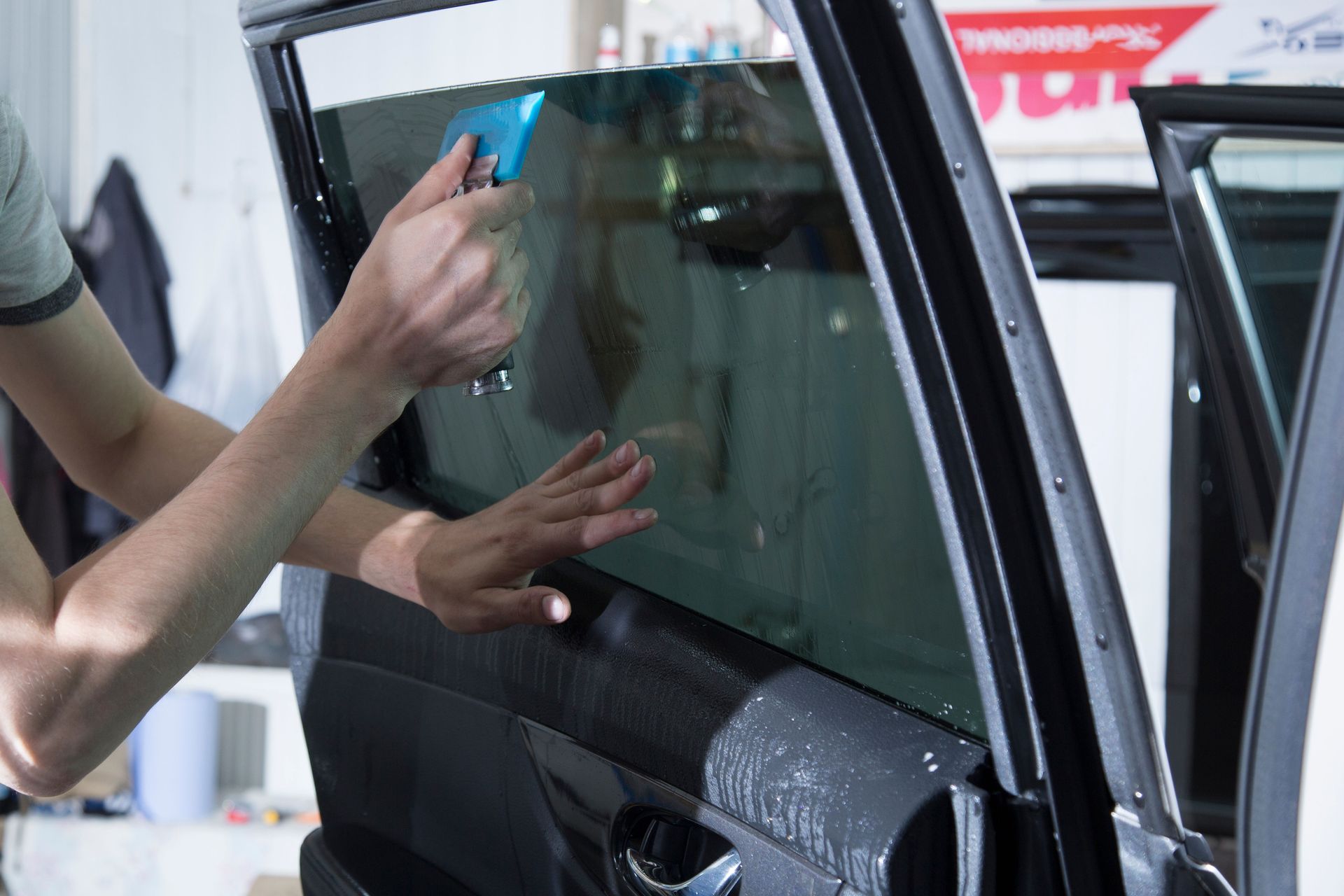
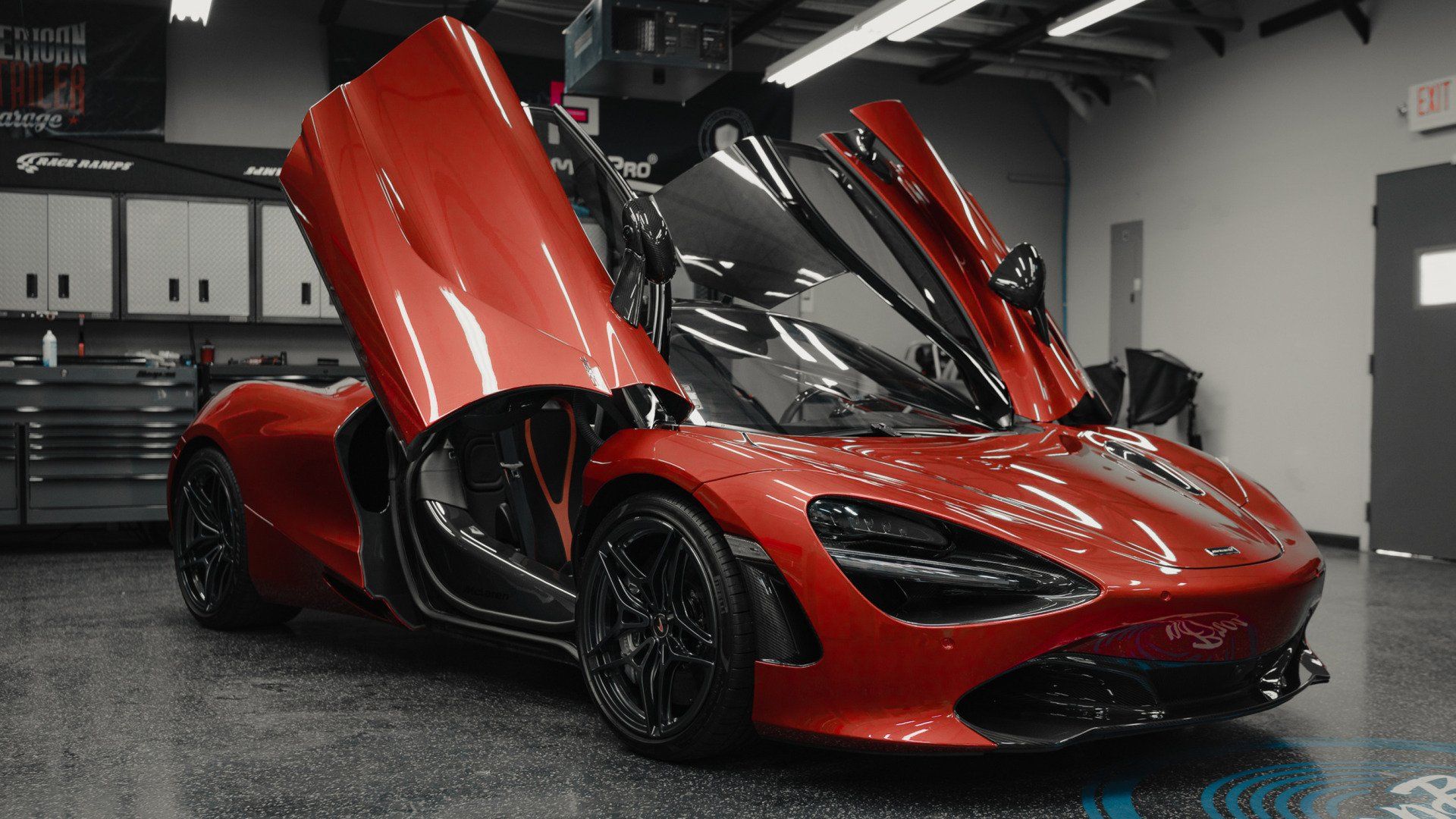
Your vehicle represents a significant investment, and protecting that investment from the harsh realities of daily driving should be a top priority. Every time you hit the road, your car's paint faces an onslaught of threats: rock chips, bug splatter, bird droppings, UV rays, and environmental contaminants. For vehicle owners in Cornelius, NC and throughout the Lake Norman area, these concerns become even more pressing with our diverse driving conditions ranging from highway commutes to lakeside parking. Two popular protection solutions have emerged as front runners in the automotive detailing world. At Champion Window Tinting, we regularly guide vehicle owners through this important decision, but which protection method truly delivers the results your vehicle deserves?
Understanding Vehicle Paint Protection Basics
Modern automotive paint is surprisingly vulnerable. Despite advances in paint technology, your vehicle's finish remains susceptible to damage from countless sources. Factory paint typically consists of several layers, including primer, base coat, and clear coat. While this system provides reasonable protection, it was never designed to withstand years of exposure without showing wear.
Think of your car's paint like your skin. Just as you wouldn't go out in harsh weather without protection, your vehicle needs an extra shield against the elements. Without proper protection, you'll notice swirl marks from washing, fading from UV exposure, etching from acidic contaminants, and chips from road debris. These issues don't just affect appearance; they can lead to rust and corrosion that compromise your vehicle's structural integrity and resale value.
What Is Paint Protection Film (PPF)?
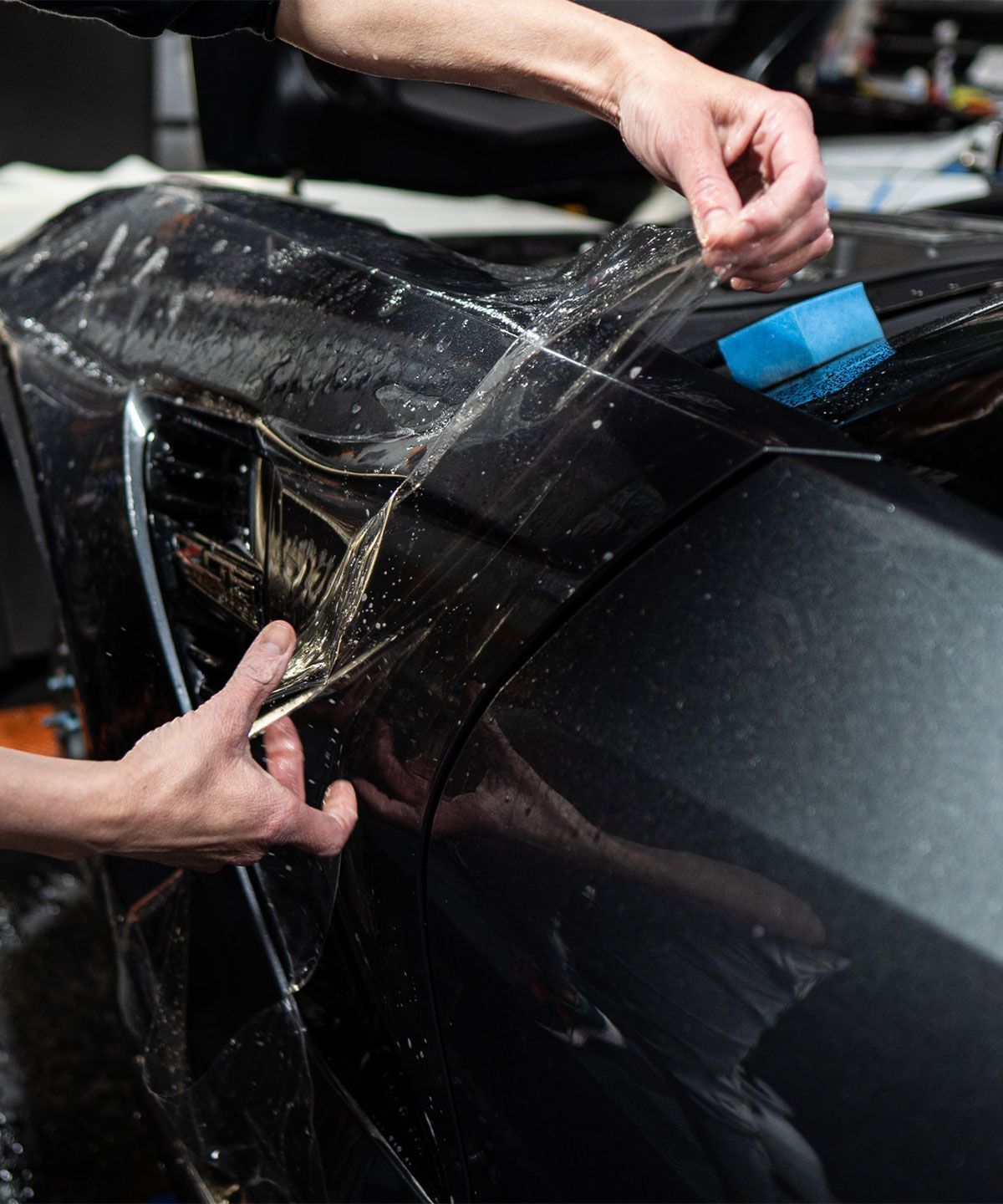
Paint Protection Film, commonly called clear bra, is a thermoplastic urethane film applied directly to your vehicle's painted surfaces. Originally developed for military applications to protect helicopter blades from debris damage, this technology has evolved dramatically for automotive use.
How PPF Technology Works
PPF creates a physical barrier between your paint and the outside world. Modern films typically measure between 6 to 8 mils thick (about twice the thickness of a credit card), providing substantial impact resistance. The material possesses elastomeric properties, meaning it can absorb impact energy and return to its original shape.
When a rock hits PPF-protected paint, the film absorbs and disperses the impact energy across its surface. This prevents the force from concentrating on a single point where it would chip the paint. Additionally, quality PPF features self-healing properties activated by heat. Minor scratches and swirl marks disappear when exposed to warm water or sunlight as the urethane's molecular structure realigns.
Types of Paint Protection Film
Not all PPF products offer identical performance. Entry-level films provide basic protection but may yellow over time and lack self-healing capabilities. Mid-tier options include self-healing technology and better clarity. Premium films, often used by professionals in Cornelius, NC, offer superior optical clarity, enhanced self-healing, and warranties extending up to 10 years. Some advanced films even incorporate hydrophobic top coats that repel water and contaminants.
What Is Ceramic Coating?
Ceramic coating represents a liquid polymer applied to your vehicle's exterior surfaces. Once cured, it chemically bonds with the factory paint, creating a protective layer that won't wash away or break down like traditional wax or sealant products.
The Science Behind Ceramic Coating
The active ingredient in ceramic coatings is silicon dioxide (SiO2), often enhanced with titanium dioxide (TiO2) and other compounds. When applied, these nanoparticles fill microscopic pores and imperfections in your paint's surface. As the coating cures, it forms strong covalent bonds with the paint molecules, creating a semi-permanent protective layer.
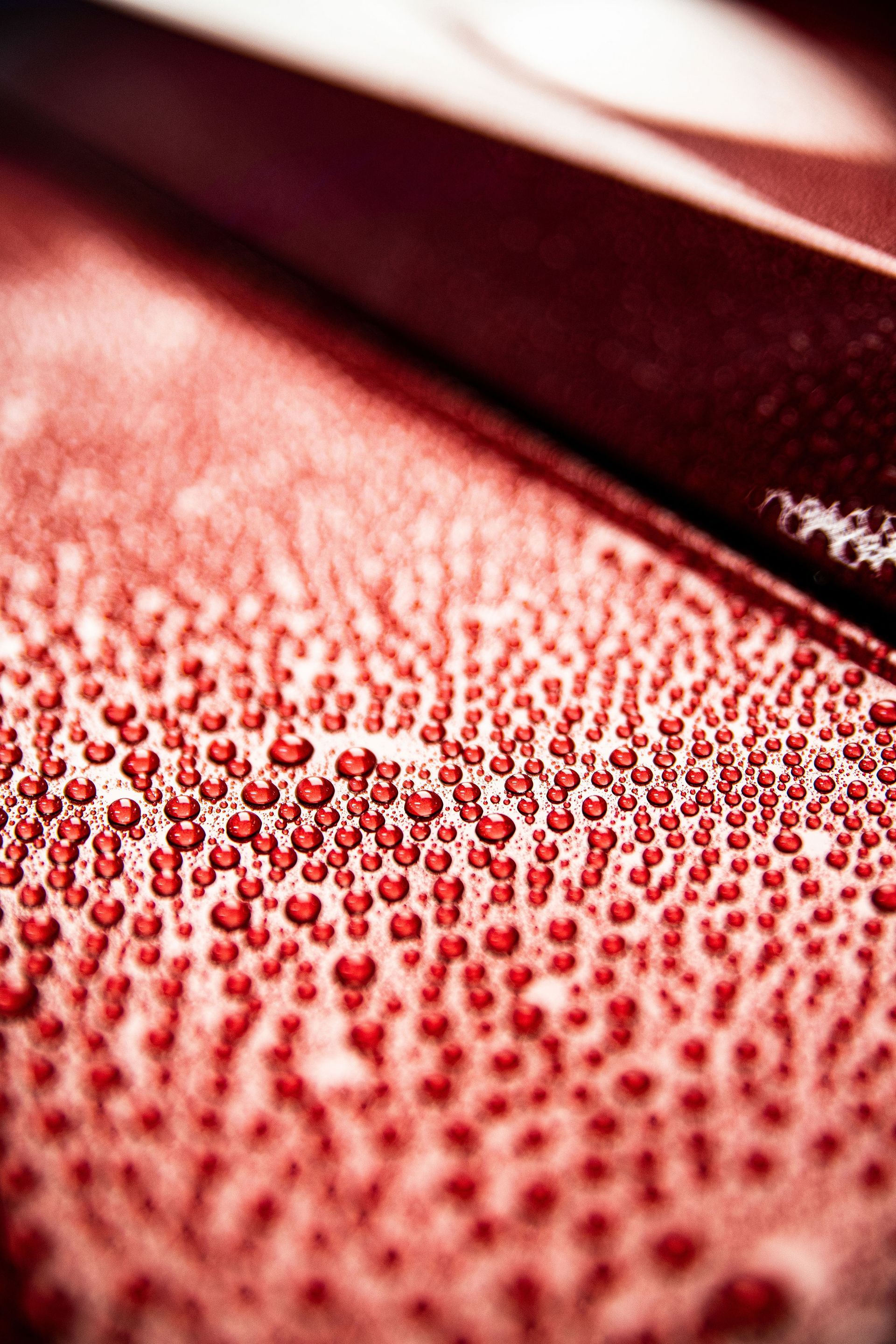
This chemical bonding is what separates ceramic coatings from traditional protectants. Rather than sitting on top of the paint, ceramic coatings become part of the surface. The result is a hydrophobic layer with impressive chemical resistance. Water beads up and rolls off treated surfaces, carrying dirt and contaminants with it. The coating's hardness also provides scratch resistance, though not to the degree PPF offers.
Different Grades of Ceramic Coating
Ceramic coatings span a wide quality range. Consumer-grade products available at auto parts stores offer 6-12 months of protection and easier application but with limited performance. Professional-grade coatings require proper surface preparation and controlled application conditions but deliver 2-5 years of protection with superior hydrophobic properties and gloss enhancement. Industrial-grade formulations, typically reserved for specialty applications, can last 5-10 years with exceptional chemical resistance.
PPF Vs. Ceramic Coating: Direct Comparison
Understanding the fundamental differences between these protection methods helps you make an informed decision for your specific needs.
Protection Level and Durability
When examining PPF Vs. Ceramic Coating for impact protection, PPF stands unmatched. Its thick, flexible construction absorbs rock chips, prevents scratches from physical contact, and shields against abrasion that would damage bare paint. If you frequently drive on highways around the Lake Norman area, gravel roads, or in areas with heavy construction, PPF provides the physical barrier your vehicle needs.
Ceramic coating excels in chemical protection. It creates a barrier against acidic contaminants like bird droppings, bug splatter, tree sap, and industrial fallout. The coating's chemical resistance prevents these substances from etching into your paint. However, ceramic coating offers minimal protection against physical impacts. A rock chip will damage ceramic-coated paint just as it would unprotected paint.
In terms of longevity, quality PPF installations last 7-10 years with proper care. Ceramic coatings typically require reapplication every 2-5 years, depending on the product quality and maintenance routine. Neither solution is truly permanent, but both dramatically outlast traditional wax or sealant products.
Cost Analysis and Long-Term Value
Full-vehicle PPF installation represents a significant upfront investment, typically ranging from $2,000 to $8,000 depending on vehicle size and coverage area. Partial coverage (front bumper, hood, fenders, mirrors) reduces costs to $1,500-$3,000. While expensive initially, PPF's superior impact protection can prevent thousands in paint repair costs over your vehicle's lifetime.
Ceramic coating installations cost considerably less, generally between $500 and $2,000 for professional application. The lower price point makes ceramic coating accessible to more vehicle owners. However, you'll need to factor in reapplication costs every few years to maintain protection.
Consider your vehicle's purpose and value when evaluating cost. A new luxury vehicle or sports car benefits tremendously from PPF's comprehensive protection. A daily driver in good condition might find ceramic coating provides adequate protection at a more approachable price point.
Maintenance Requirements
Both protection methods reduce maintenance compared to unprotected paint, but in different ways. PPF requires regular washing to maintain clarity and prevent contaminant buildup. The film's self-healing properties mean minor scratches disappear with heat, eliminating the need for polishing. You should avoid automatic car washes with stiff brushes that might lift film edges.
Ceramic coating simplifies washing thanks to its extreme hydrophobic properties. Water sheets off treated surfaces, and contaminants struggle to bond with the slick surface. You'll spend less time washing and drying your vehicle. However, ceramic coatings benefit from periodic maintenance treatments (typically every 3-6 months) to maintain peak hydrophobic performance. Despite common misconceptions, ceramic coating doesn't eliminate the need for washing.
Application Process and Time
Professional PPF installation demands significant expertise and time. The process involves thorough paint decontamination, precise film cutting (often using computer-cut patterns), careful application to avoid bubbles and wrinkles, and proper edge sealing. Expect installation to take 1-3 days for full coverage. The complexity explains why choosing an experienced installer like Champion Window Tinting makes such a difference in final results.
Ceramic coating application also requires meticulous preparation but typically completes faster. The paint must be thoroughly decontaminated, clayed, and often polished to remove imperfections. The coating itself applies relatively quickly, but curing time extends the process. Professional installations typically take 1-2 days, including preparation and curing time.
Real-World Performance in Different Conditions
How do these protection methods hold up when facing actual road conditions?
Protection Against Rock Chips and Road Debris
This is where the PPF Vs. Ceramic Coating debate becomes crystal clear. PPF was engineered specifically for impact protection. The film's thickness and elastomeric properties absorb impacts that would otherwise chip paint. If you've ever driven behind a gravel truck or dealt with winter road conditions where salt and debris constantly pelt your vehicle, you understand the value of this protection.
Ceramic coating provides zero impact protection. A stone traveling at highway speeds will chip through ceramic coating and the paint beneath just as easily as unprotected paint. The coating's benefit lies elsewhere, in chemical protection and ease of maintenance.
Chemical Resistance and Environmental Protection
Ceramic coating shines when defending against chemical attacks. Bird droppings, bug remains, and tree sap contain acids that etch paint if left on the surface. Ceramic coating's chemical resistance prevents these substances from bonding with the paint, making removal easier and preventing permanent damage.
Quality PPF also offers chemical resistance, particularly newer films with built-in hydrophobic top coats. However, standard PPF without additional coating may allow some contaminants to stain or etch the film itself over time. This doesn't damage the underlying paint, but it can affect the film's appearance.
UV protection is another consideration. Both PPF and ceramic coating provide some UV resistance, helping prevent paint oxidation and fading. PPF's thicker barrier offers slightly better UV protection, but both solutions significantly outperform unprotected paint in this regard.
Can You Combine Both Protection Methods?
Here's where things get interesting. You're not limited to choosing one protection method over the other. Many vehicle owners, particularly those with high-value vehicles, install PPF on high-impact areas (front bumper, hood, fenders, mirrors, door edges) and then apply ceramic coating over the PPF and the rest of the vehicle.
This combination approach delivers comprehensive protection. The PPF guards against physical damage in vulnerable areas, while ceramic coating provides chemical resistance and hydrophobic properties across the entire vehicle. Coating over PPF also enhances the film's stain resistance and makes maintenance even easier.
Facilities like Champion Window Tinting often recommend this layered approach for clients seeking maximum protection. The combined cost exceeds either individual solution, but you gain the benefits of both technologies working together. The ceramic coating even helps protect the PPF itself from staining and yellowing, potentially extending the film's lifespan.
Making the Right Choice for Your Vehicle
Your decision should reflect your vehicle's specific needs, your driving conditions, and your protection priorities.
Choose PPF if you prioritize impact protection, frequently drive on highways or gravel roads, own a vehicle with a soft or easily damaged paint finish, want to preserve resale value on a high-end vehicle, or live in an area with harsh winter conditions involving gravel and salt.
Choose ceramic coating if chemical resistance and ease of maintenance are your primary concerns, you primarily drive in urban settings with less highway exposure, your budget is limited but you still want quality protection, you're protecting an older vehicle where impact damage is less concerning, or you want enhanced gloss and depth in your paint's appearance.
Consider the combination approach if you own a new luxury or performance vehicle, you want the absolute best protection available, your budget allows for comprehensive protection, you plan to keep the vehicle long-term, or you live in an environment with both impact and chemical threats.
Remember that proper installation matters enormously with both products. Poor application undermines even the best protection technology. Research installers carefully, examine their previous work, and don't choose based solely on price. Quality installation pays dividends throughout your vehicle's life.
Conclusion
The PPF Vs. Ceramic Coating question doesn't have a universal answer because these technologies serve different primary purposes. PPF delivers unmatched physical protection against impacts, scratches, and abrasion. Ceramic coating excels at chemical resistance, hydrophobic properties, and maintenance reduction. Neither solution is inherently superior; they're engineered for different protection priorities.
For most vehicle owners in Cornelius, NC and the surrounding Lake Norman area, the ideal approach involves honest assessment of your driving conditions, protection needs, and budget. If rocks and road debris pose your biggest threat, PPF deserves serious consideration despite the higher cost. If you're fighting chemical contaminants and want easier maintenance, ceramic coating delivers excellent value. And if you want comprehensive protection without compromise, combining both technologies provides the ultimate defense for your vehicle's finish.
Whichever path you choose, professional installation and proper maintenance ensure you receive the full benefit of these advanced protection technologies. Your vehicle represents too significant an investment to trust its protection to anything less than the best solution for your specific circumstances.
FAQs
How long does PPF last compared to ceramic coating?
Quality PPF typically lasts 7-10 years with proper maintenance, while ceramic coating generally requires reapplication every 2-5 years depending on the product grade and how well you maintain it. PPF's longer lifespan partially offsets its higher initial cost when calculating long-term protection value.
Will ceramic coating prevent rock chips on my vehicle?
No, ceramic coating provides virtually no protection against rock chips or physical impacts. The coating measures only a few microns thick and offers chemical resistance and hydrophobic properties rather than impact protection. For rock chip prevention, you need Paint Protection Film.
Can I apply ceramic coating myself or should I hire a professional?
While consumer-grade ceramic coatings exist for DIY application, professional installation delivers superior results. Proper surface preparation requires paint decontamination, clay bar treatment, and often polishing to remove imperfections. Professionals also apply the coating in controlled environments that prevent contamination during curing. The difference in longevity and performance justifies professional installation for most vehicle owners.
Does PPF damage the original paint when removed?
When properly installed and removed by a professional, PPF should not damage your original paint. In fact, the paint underneath typically looks better than surrounding unprotected areas because the film preserved the finish. However, improper removal or attempting to remove very old, degraded film can potentially cause issues. This is another reason why professional installation and eventual removal matter.
Which protection method is better for a leased vehicle?
For leased vehicles, PPF often makes more financial sense despite the higher upfront cost. Lease return inspections penalize paint chips and scratches, and repair costs can quickly exceed PPF installation costs. PPF protects against the physical damage most likely to trigger lease-end charges. Ceramic coating helps maintain appearance but won't prevent the rock chips and door dings that typically result in lease return fees.
Articles from the Champion Window Tinting Blog
Champion Window Tinting Services